How Hydrogen Ions Flow Through a Solid Crystal express
In a solid crystal resembling a layered cake of lanthanum, oxygen, and hydrogen atoms, electricity is carried not by electrons but by hydrogen ions themselves. Usually, an ion in a crystal sits in its own cell like a pea in a pod, occasionally hopping to a neighboring empty cell. But in this material, things are different.
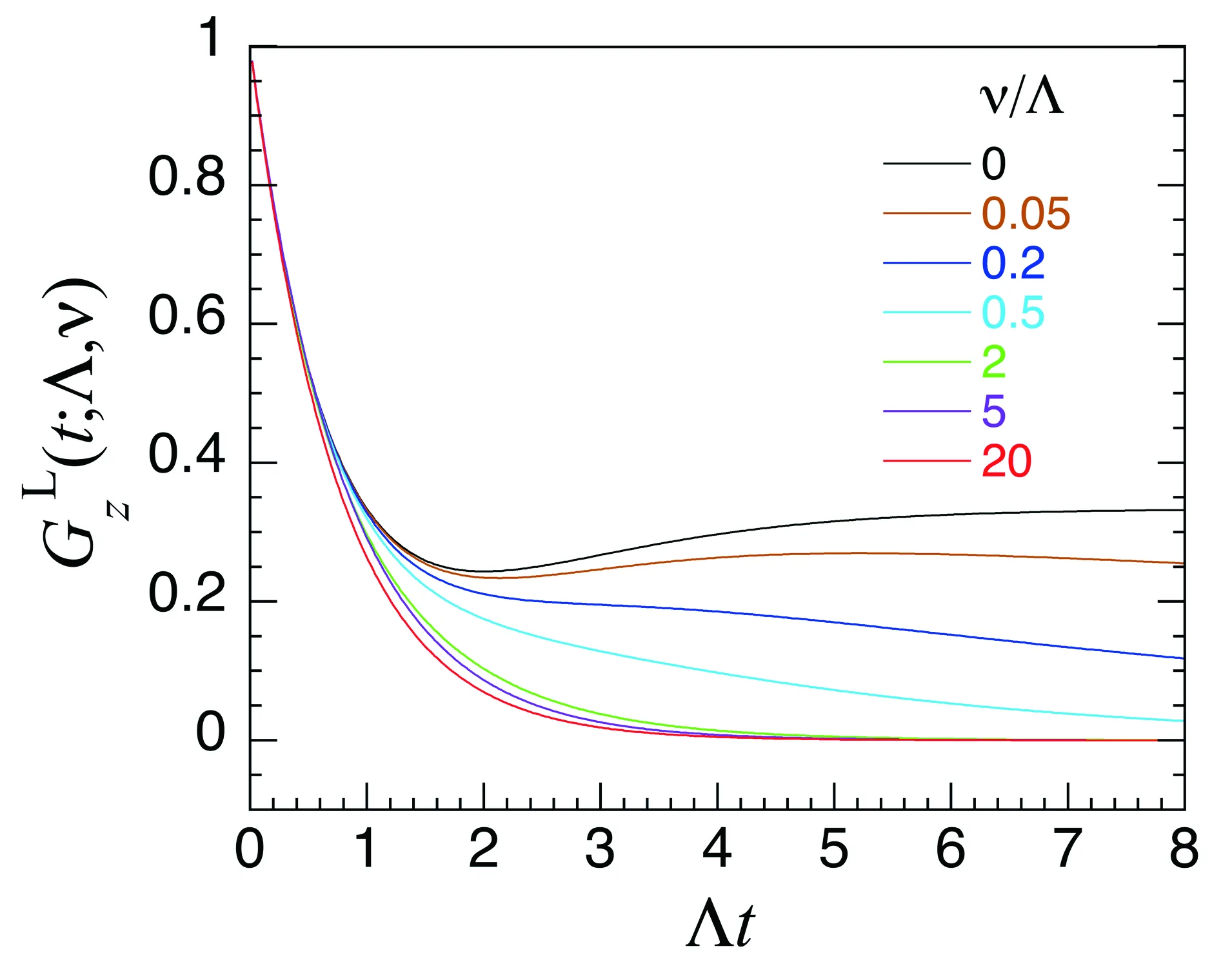
Physicists bombarded the crystal with subatomic particles, muons, which nestled between atoms and 'felt' the movement of their neighbors. It turned out that around 160 Kelvin (about minus 113 degrees Celsius), hydrogen ions start moving in concert, like molecules in thick molasses. Their jumps depend on the availability of nearby empty sites: no empty cell, no jump.
This discrepancy led scientists to think that upon heating, hydrogen ions stop behaving as individual particles and morph into something like a viscous fluid that 'freezes' upon cooling, much like glass. This behavior explains why the crystal conducts hydrogen ions so well.
Now we better understand how solid electrolytes with hydrogen work. If we can learn to control this 'fluid' inside the crystal, we could create batteries and fuel cells that operate faster and more reliably.
The muon used to 'probe' the crystal lives only two millionths of a second, but in that time it manages to report on the motion of neighboring ions.
In Arthur C. Clarke's novel 'Rendezvous with Rama,' an alien spacecraft uses solid materials with unusual internal fluidity — somewhat akin to this crystal.