Eye Movements Reveal Autism in One in Three express
Eyes follow a dot that smoothly traces a complex curve on the screen. For most people, the gaze stays close to it, but for some, it seems to slip or lag behind. Previously, such peculiarities drowned in average numbers: if you add everyone up and divide, the difference almost disappears.
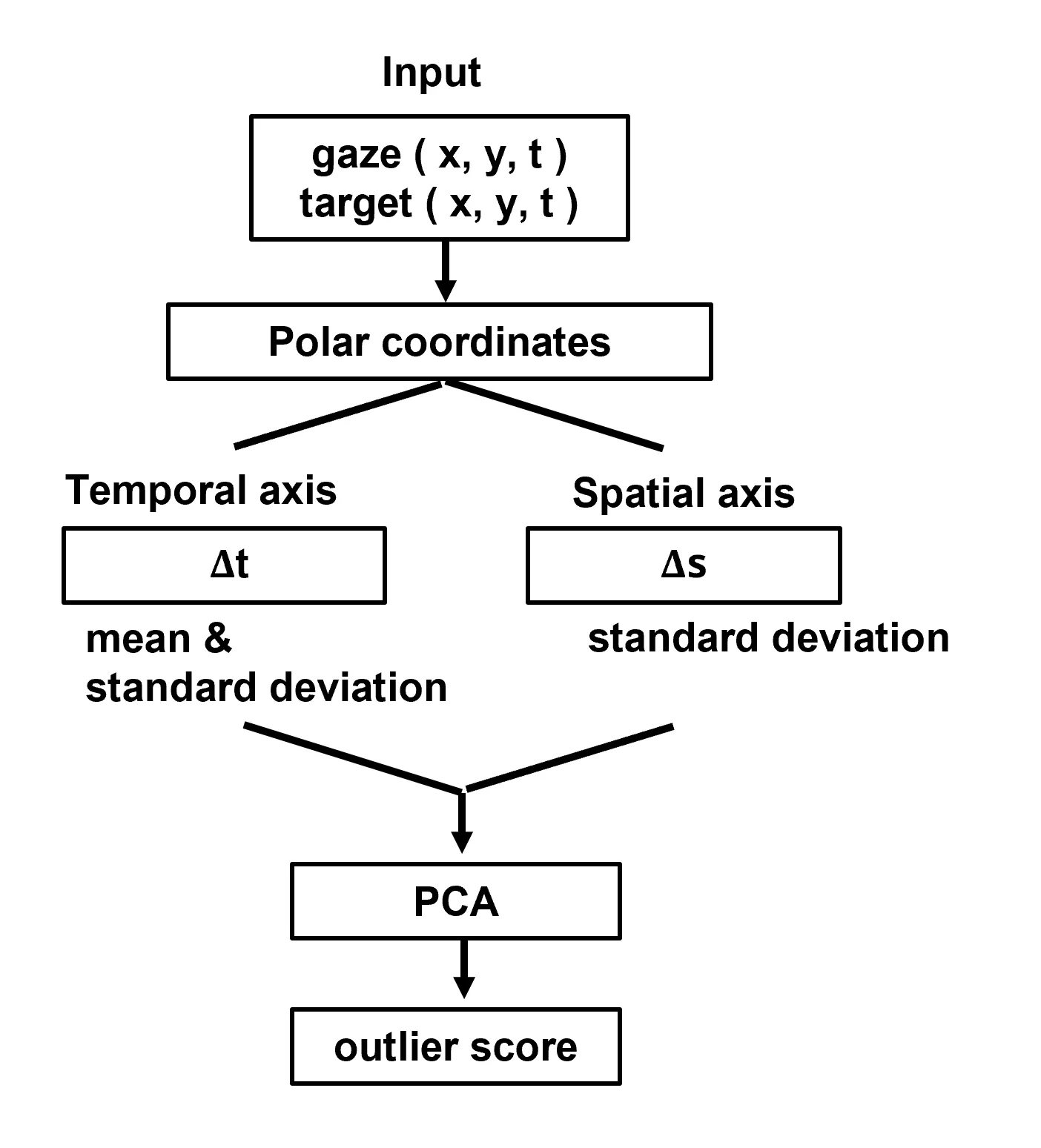
Instead of looking at averages, the scientists decided to examine each person individually. They measured how far the gaze lagged behind the dot and how much it deviated to the side. Then they built a "norm" from people without autism and counted who deviated from it more than usual. This approach is like checking height in schoolchildren: instead of comparing the class average height, a doctor notes children who are much shorter or taller than their peers.
The result was surprising: among people with autism, 7 out of 18—almost 39%—moved their eyes unusually. In the group without autism, only 5% did. Meanwhile, standard average comparisons showed almost no difference. This means autism manifests differently in each person, and these individual deviations may be the key to understanding it.
This method could help doctors detect autism earlier and more accurately. And importantly, it respects diversity: it doesn't try to fit everyone into one mold but sees each person individually.
People with autism exhibit unusual eye movements almost eight times more often than others.