Mysterious Blue Flashes: What Their Host Galaxies Hide ⚡ экспресс
Original: "The Environments of Luminous Fast Blue Optical Transients: Evidence for a Compact Object and Wolf-Rayet Star Merger Origin"
Rare invisible cosmic explosions: they flare up far from stellar nurseries and fade within days.
Links in the knowledge graph 1
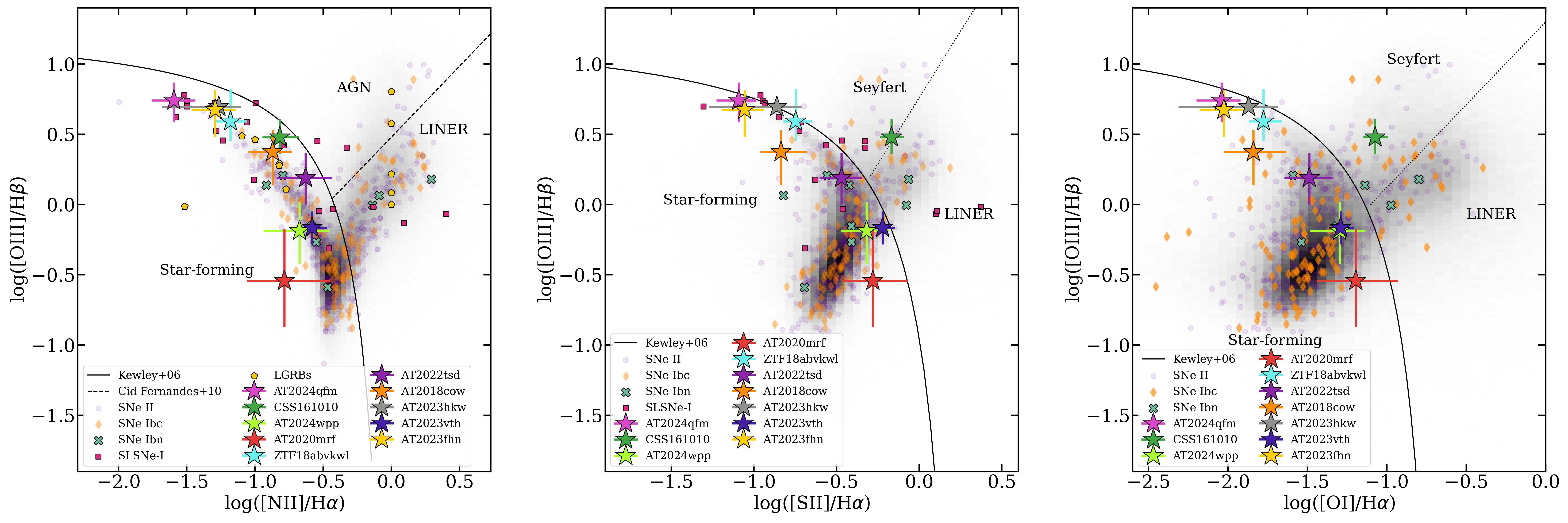
A bright blue flash on the outskirts of a galaxy — and within a couple of days it vanishes. Astronomers long couldn't understand where these events come from. It turned out they like to hide in dark corners of small but active galaxies. This is not a simple stellar explosion, but a cosmic collision: a dead neutron star crashes into a living massive star. Perhaps soon we will learn to predict such cosmic fireworks.
🎯 Astronomers call 'metallicity' the fraction of heavy elements in stellar gas. The lower the metallicity, the more 'virgin' the material. LFBOTs prefer 'moderate dirt' — not pristine gas, but not heavily enriched with heavy elements either.