An Attosecond Stopwatch for Electrons express
An electron in an atom is like a tennis player waiting for a serve. The light flash is the ball, moving at a speed the eye can't follow. The new device catches the moment the racket meets the ball with a precision previously unimagined. The setup uses two laser beams: one strikes the atom, the other acts as a stopwatch. Their synchronization is so precise that the jitter doesn't exceed 45 attoseconds, as if two sprinters in a 100-meter dash finished with a difference of one trillionth of a second.
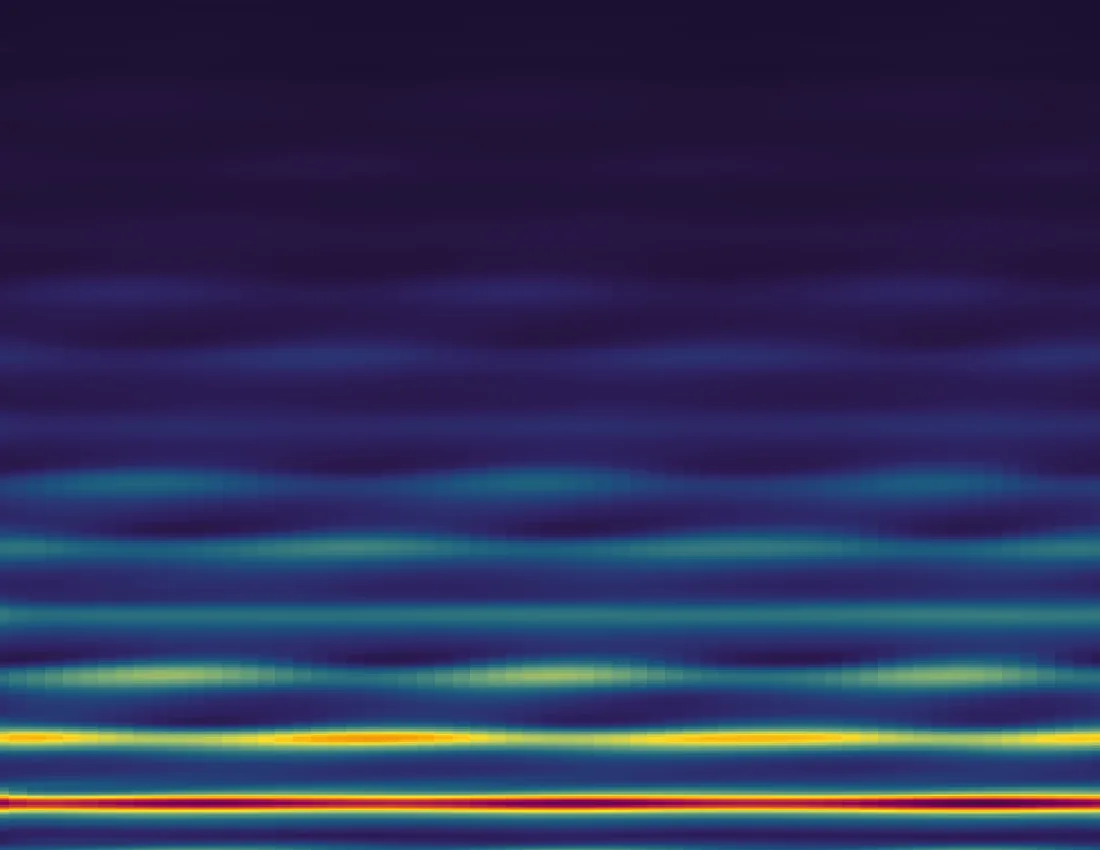
When an ultraviolet pulse knocks out an electron, the electron doesn't start immediately. There's a delay between the light's impact and the electron's departure, like the pause between the referee's whistle and a sprinter's first step. This delay depends on the state the electron is in. By varying the phase of the laser pulse, physicists observe how the number of ejected electrons oscillates. From these oscillations, they can calculate how long the electron 'hesitated' before starting.
The 45-attosecond accuracy is achieved through active stabilization: an interferometer monitors the beams' jitter and adjusts their positions. It's like two musicians in an orchestra playing in unison while the conductor hears the slightest discrepancy and corrects it instantly. Now we can measure how electrons from different atoms respond differently to light. Such data are needed for future electronics, where state switching occurs in attoseconds.
An attosecond is to a second what a second is to the age of the Universe — about 13.8 billion years.
In Greg Egan's novel 'Permutation City,' people live in a simulation where time can be slowed down indefinitely. Attosecond physics is the first step toward seeing the world on such scales.