The Retina Tells on the Brain express
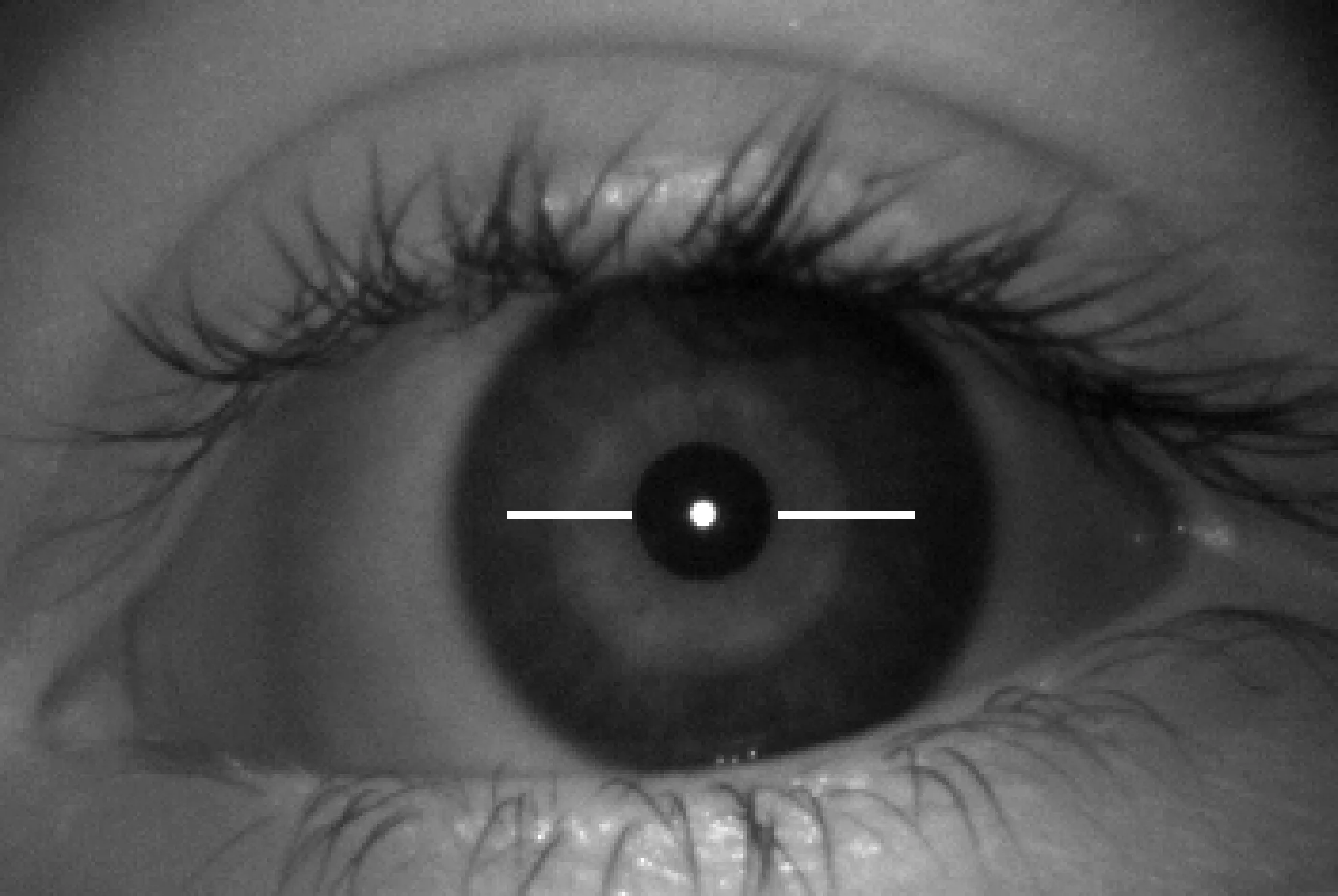
A flashlight shines into the eye, and the retina responds with electrical impulses, like an echo, but not of sound, of light. This echo can be recorded, and it reveals not only how the eye is working but also how the brain is. After all, the retina is a piece of the brain that has been pushed out to the periphery.
Researchers from Australia and the UK recorded these 'echoes' in three groups of children: typically developing, those with autism, and those with both autism and attention deficit hyperactivity disorder (ADHD). They used a portable device called the RETeval — a box about the size of a palm that attaches under the eye and reads signals through the skin, like a microphone. The child doesn't need to sit still in a dark room; they just look at flashes of light.
In total, they collected more than five thousand recordings. Each one is a curve with rapid oscillations (so-called oscillatory potentials). In children with autism, these oscillations turned out to be smoothed out, as if muffled, while in those with additional ADHD, they were more jagged. The difference is noticeable even when comparing the left and right eyes.
Now these data are open to everyone. Doctors and engineers can train programs on them that, with a single flash of light, might flag autism or ADHD. This isn't a replacement for a diagnosis, but a quick screening, like a thermometer that tells you whether to see a specialist. In this way, a routine eye check could become a window into neurodevelopment, and an ordinary flashlight a tool that peers into the depths of the brain.
The retina is the only part of the central nervous system you can see without surgery, just by looking into the eye.
In José Saramago's novel 'Blindness,' people lose their sight but keep their minds — here it's the reverse: through sight, we peer into the mind.