How Stellar Flares Change the Atmosphere of Faraway Planets ⚡ экспресс
Original: "Stellar flare-driven evolution of primordial early exo-Earth atmospheres: Insights from a Young M Dwarf Flare model"
A new model shows that frequent flares on red dwarfs can permanently alter the chemical makeup of Earth-like planets' atmospheres.
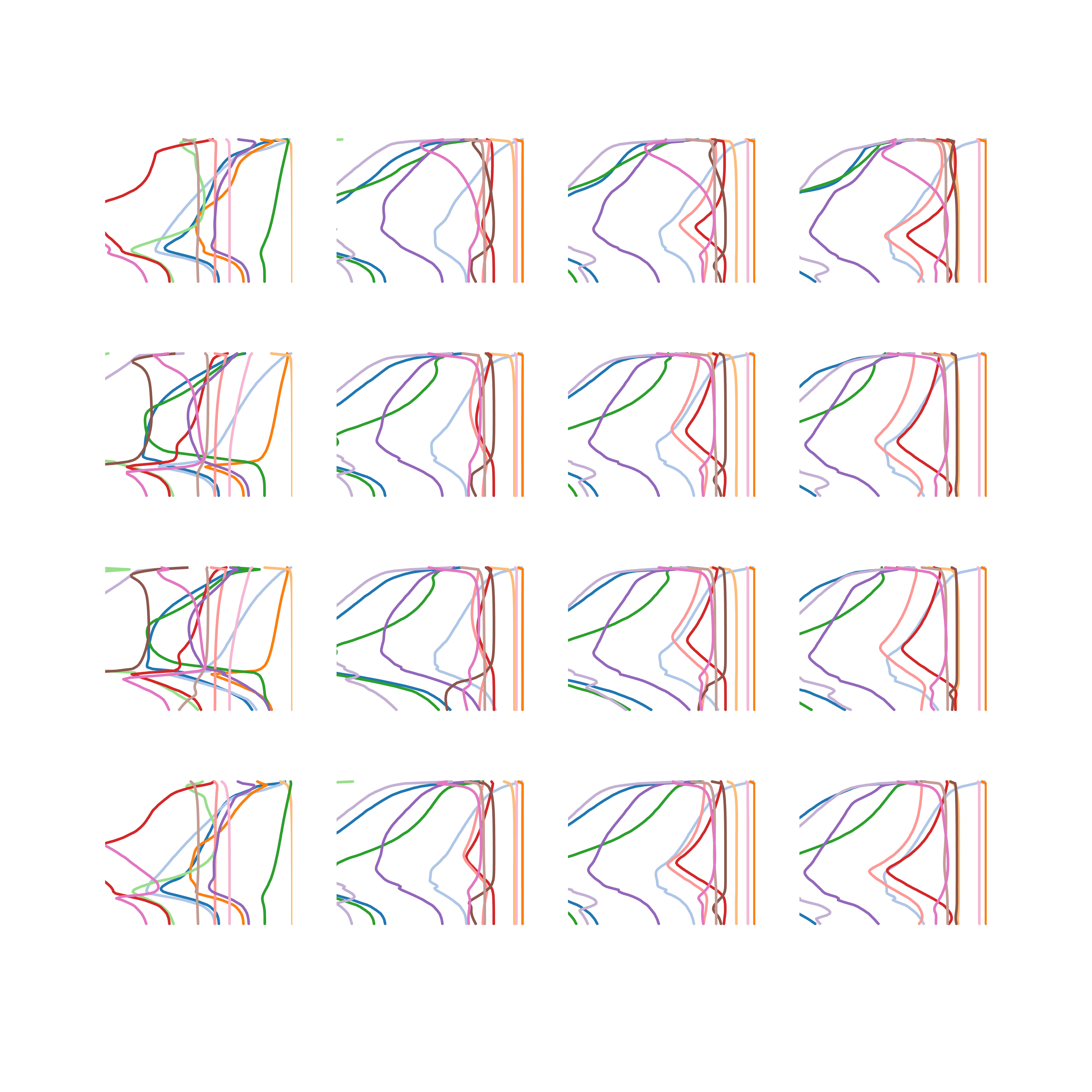
Links in the knowledge graph 1
Tiny dwarf stars have a fiery temper: frequent flares bombard planets. Simulations show that after a year of such "shelling," atmospheric chemistry changes forever. Moist worlds are especially vulnerable. So hunting for signs of life on them will require keeping an eye on stellar weather.
🎯 One powerful flare on a red dwarf can destroy a planet's ozone layer within hours, leaving its surface vulnerable to dangerous radiation.
🎬 A planet orbiting a red dwarf enduring flares evokes the fictional world of Proxima b, often depicted in books and films as a harsh cradle of life.