How Stellar Flares Change the Atmosphere of Faraway Planets express
Around small, cool, but extremely restless red dwarfs, planets the size of Earth often orbit. Such a star is like a temperamental stove that intermittently erupts flares: powerful streams of light and particles batter the planet's atmosphere, as if someone splashed fire into a simmering soup pot.
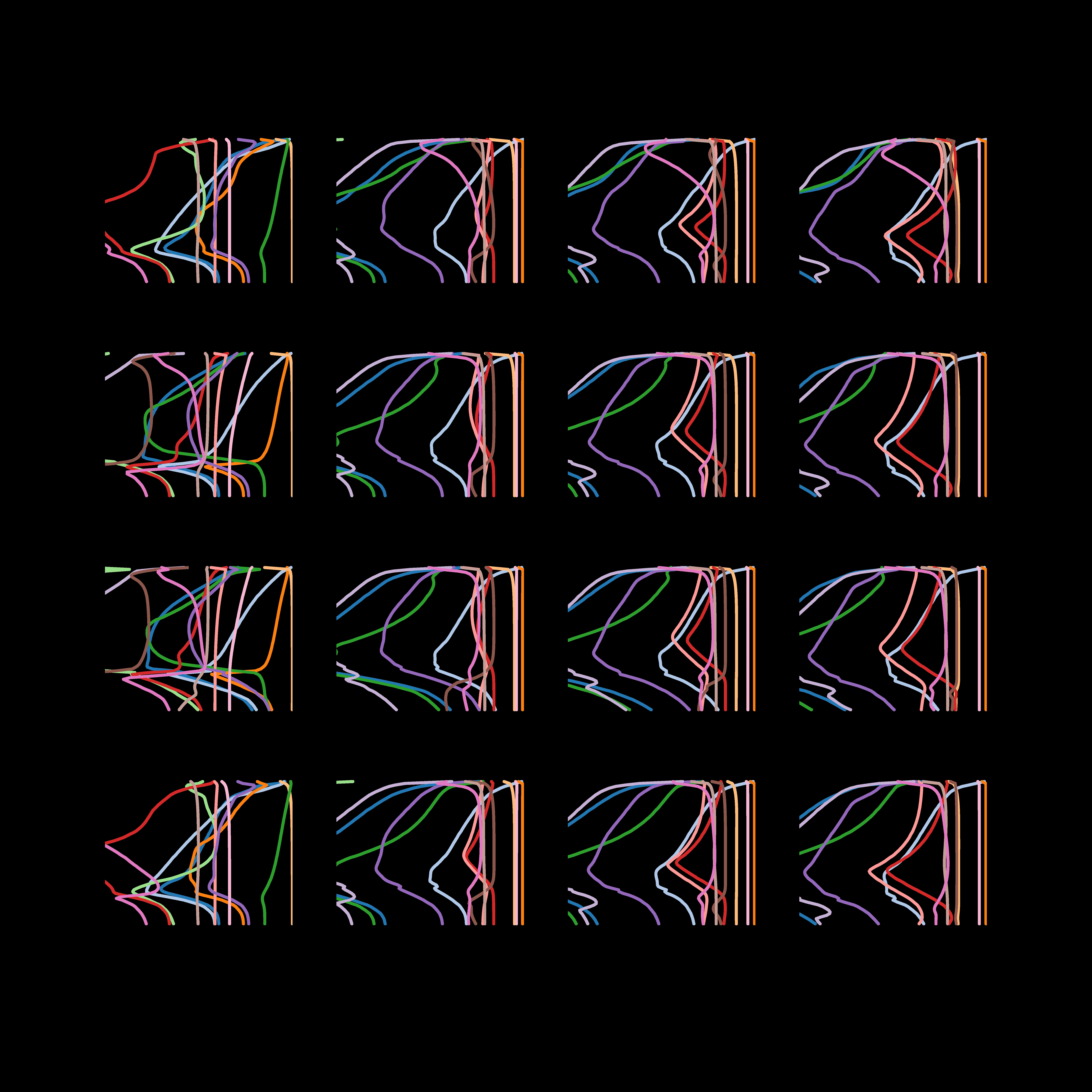
A new computer simulation tracked a year in the life of a young planet's atmosphere under these attacks. It turned out that even a single moderate flare permanently alters the chemical cocktail — especially if the air is moist and rich in water vapor or hydrogen. Heating the lower layers speeds up reactions like a pressure cooker: ordinary gases turn into unexpected compounds.
Now astronomers who study the light of such worlds using spectroscopy (splitting it into a rainbow and reading chemical fingerprints) must reckon with this stellar "cooking." A flare might create the illusion of biomarkers or, conversely, hide real traces of life. The very molecules we seek as evidence of habitability can be born simply from a star's whim.
One powerful flare on a red dwarf can destroy a planet's ozone layer within hours, leaving its surface vulnerable to dangerous radiation.
A planet orbiting a red dwarf enduring flares evokes the fictional world of Proxima b, often depicted in books and films as a harsh cradle of life.