Ice Remembers How It Was Squeezed express
Ordinary ice at very low temperatures and high pressures does not melt but transforms into another solid — equally shapeless (amorphous) but much denser. For a long time, no one could understand exactly what happens at the moment when low-density ice begins to become dense.
In a new study, physicists built a computer model and for the first time clearly saw the boundary between these two states. Between them lies a razor-thin layer, just a few molecules thick. Its structure resembles a third, "medium" ice (MDA), but the layer itself does not grow or turn into a separate chunk. It stays in place, like a seam between two fabrics.
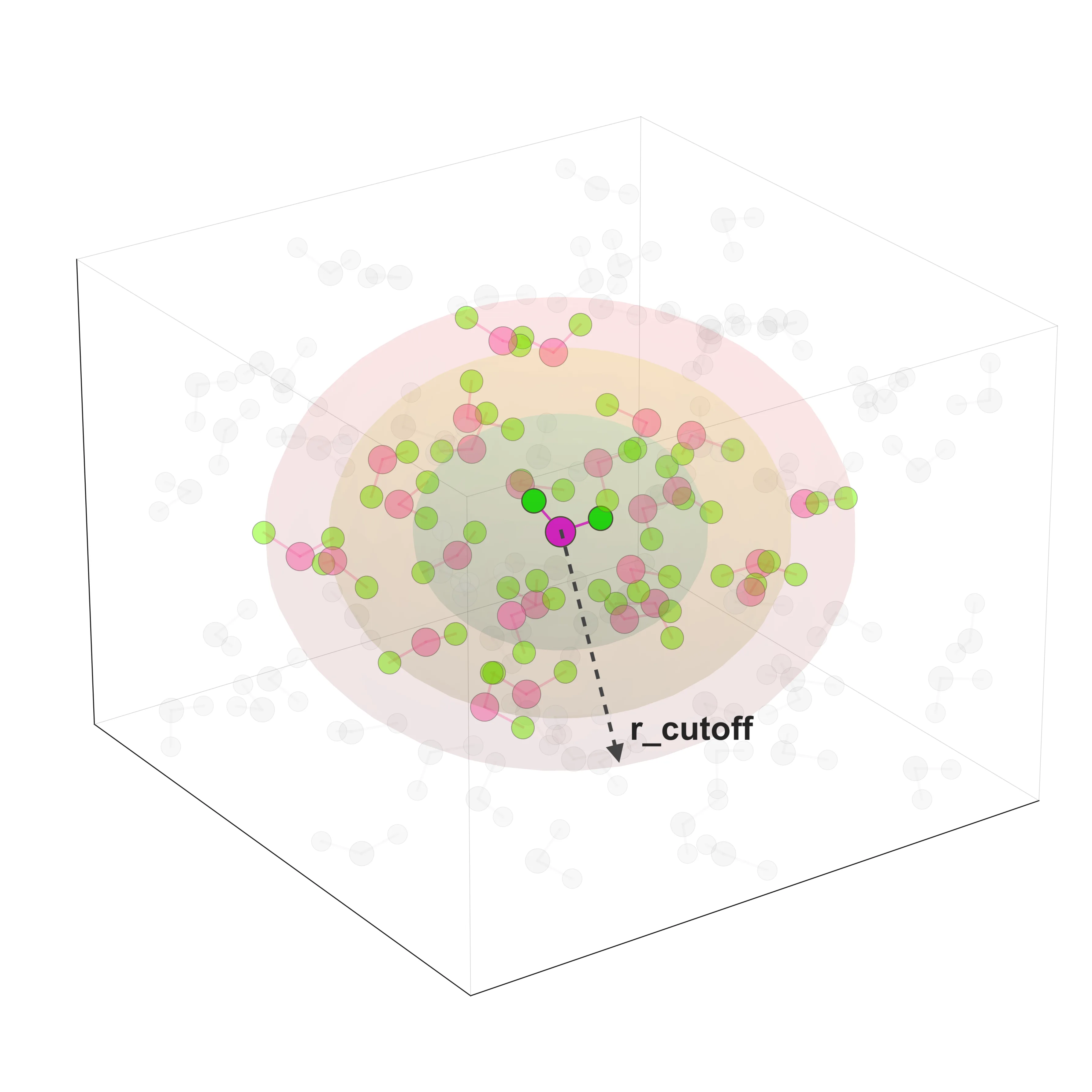
A neural network trained to distinguish ice types by the mutual arrangement of water molecules helped reveal such details. It showed that the key role is played not just by the distance between molecules but by how they are oriented relative to each other: that is, the pattern of hydrogen bonds. This pattern is what changes during the transition from loose to dense packing.
This memory is not just a curiosity. It suggests that the transition between ice states resembles motion with friction rather than a purely elastic jump. Similar effects may lurk in other amorphous materials — from glasses to gels. Understanding how ice remembers pressure could help better control the properties of a wide range of non-crystalline substances.
Amorphous ice is the dominant form of water in space. Ice grains in interstellar clouds and on the surfaces of comets are most likely made of it.
In Kurt Vonnegut's story "Ice-9," a fictional form of ice freezes the entire world. The real layer between amorphous ices is not so dangerous, but it can still surprise with its resilience.