Backwards Rhythm in the Early Universe ✛ ✎
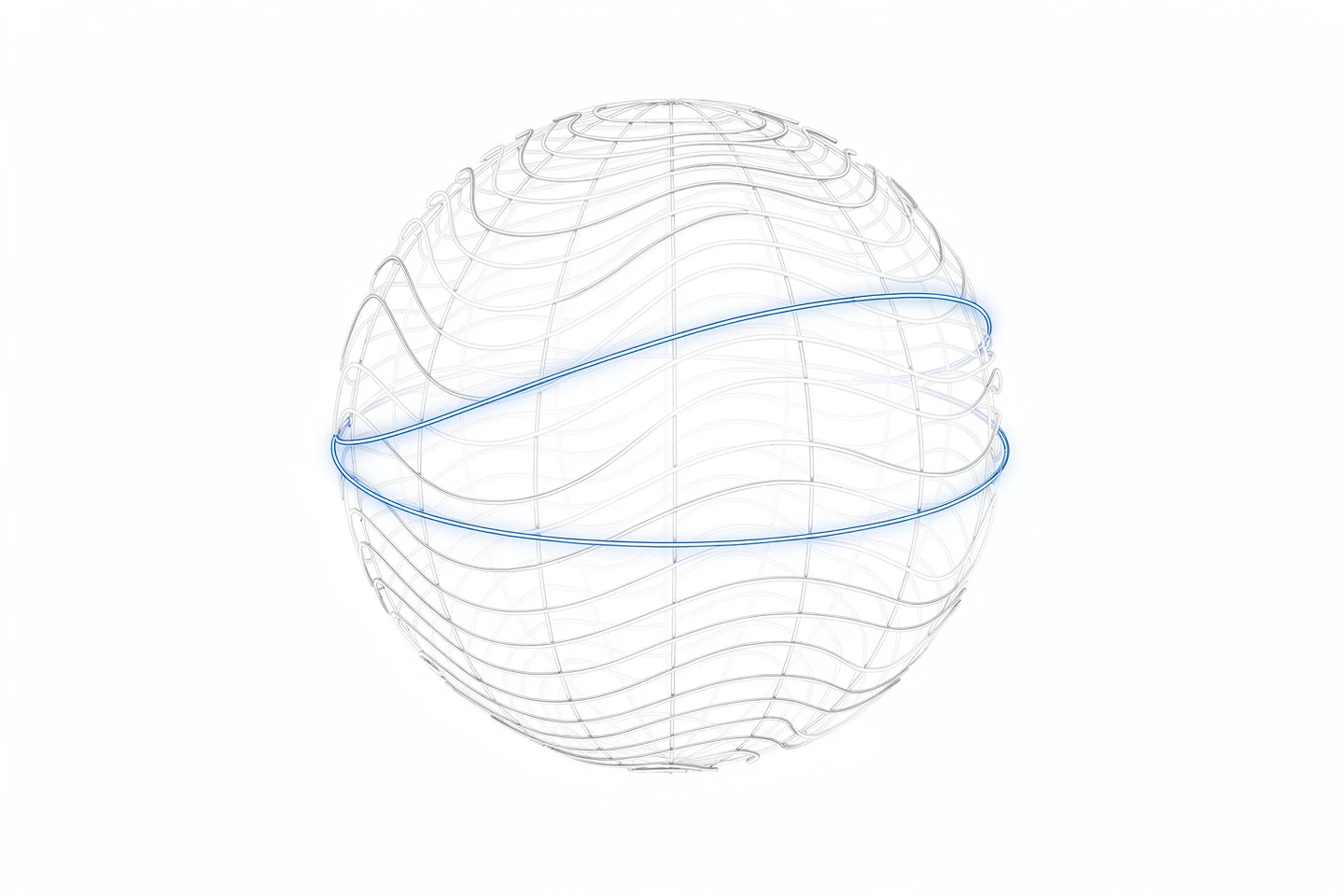
After the Big Bang, a faint glow remained, like a quiet voice coming from the very beginning of time. Scientists long listened to this hum, trying to discern hidden rhythms. And then, with a computer program that finds patterns in data on its own, they heard something unexpected. The rhythm seemed reversed, as if a vinyl record were played backwards.
Such “reversed” waves could point to a very brief and unusual period in the infant universe’s life — something like a super-fast inflation right after birth. If confirmed, we’ll get an important clue about the nature of the very first moments, which still remain a mystery.
Even Georges Lemaître suggested the universe expands, and Ralph Alpher predicted that after the Big Bang, such a glow should remain. Today, thanks to precise measurements of the spectrum of this radiation, we can peer into that distant epoch.
The computer algorithm that found this feature had previously rediscovered the laws of planetary motion from simple data tables.
This cosmic pulsation recalls worlds from Ursula Le Guin’s books, where the universe breathes and changes its rhythm.