Plasma and Peroxide: A One-Two Punch Against Bacteria express
Benzoyl peroxide, the familiar ingredient in acne creams, does more than dry out skin. It releases active oxygen that tears apart bacterial membranes. But on its own, it sometimes lacks the punch. A helping hand can come from cold plasma: ionized gas at nearly room temperature.
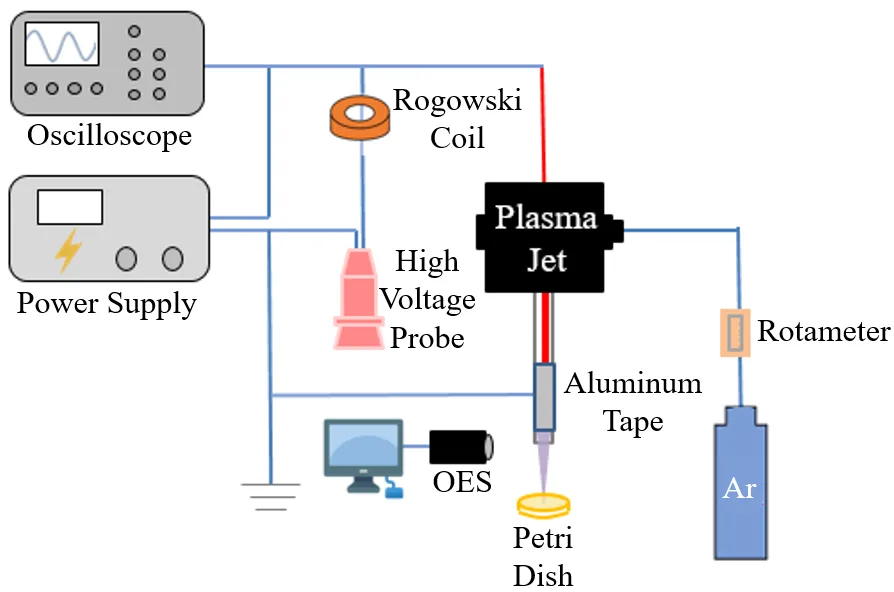
In this study, a plasma jet was aimed at a bacteria-covered surface pre-treated with the peroxide. The device was tuned along three parameters: supply voltage, working gas flow rate, and the fraction of added oxygen. Rather than guess, the researchers used a spectroscope, an instrument that splits light into colors, to examine the plasma's glow. That revealed the most microbe-hostile setting. They also measured surface temperature and ultraviolet emission, making sure the plasma doesn't burn or damage materials.
Tests on E. coli confirmed that benzoyl peroxide significantly boosted the disinfecting effect. The exact chemical mechanism remains a mystery. Perhaps the plasma 'activates' the peroxide, coaxing it to release more bacteria-killing oxygen. But the takeaway is clear: this duo could underpin new ways to sterilize medical instruments or food packaging.
So the plasma's glow, like a miniature aurora, pointed the way to cleanliness without boiling water or harsh chemicals.
E. coli, the bacterium used to test the method, isn't always the enemy. Most of its strains live peacefully in our gut, helping digest food.