ظل الأرض يبحث عن مسابير فضائية سريع
في القرن الثامن عشر، بحث William Herschel عن حياة على المريخ. أما اليوم، فيستهدف علماء الفلك ليس الكواكب، بل القطع الأثرية - مثل مسابير كائنات فضائية مختبئة في النظام الشمسي. المشكلة أن رصد جسم صغير بالقرب من الشمس الساطعة يكاد يكون مستحيلاً. وهنا تبرز فكرة جديدة: تحويل ظل الأرض إلى مرشح طبيعي.
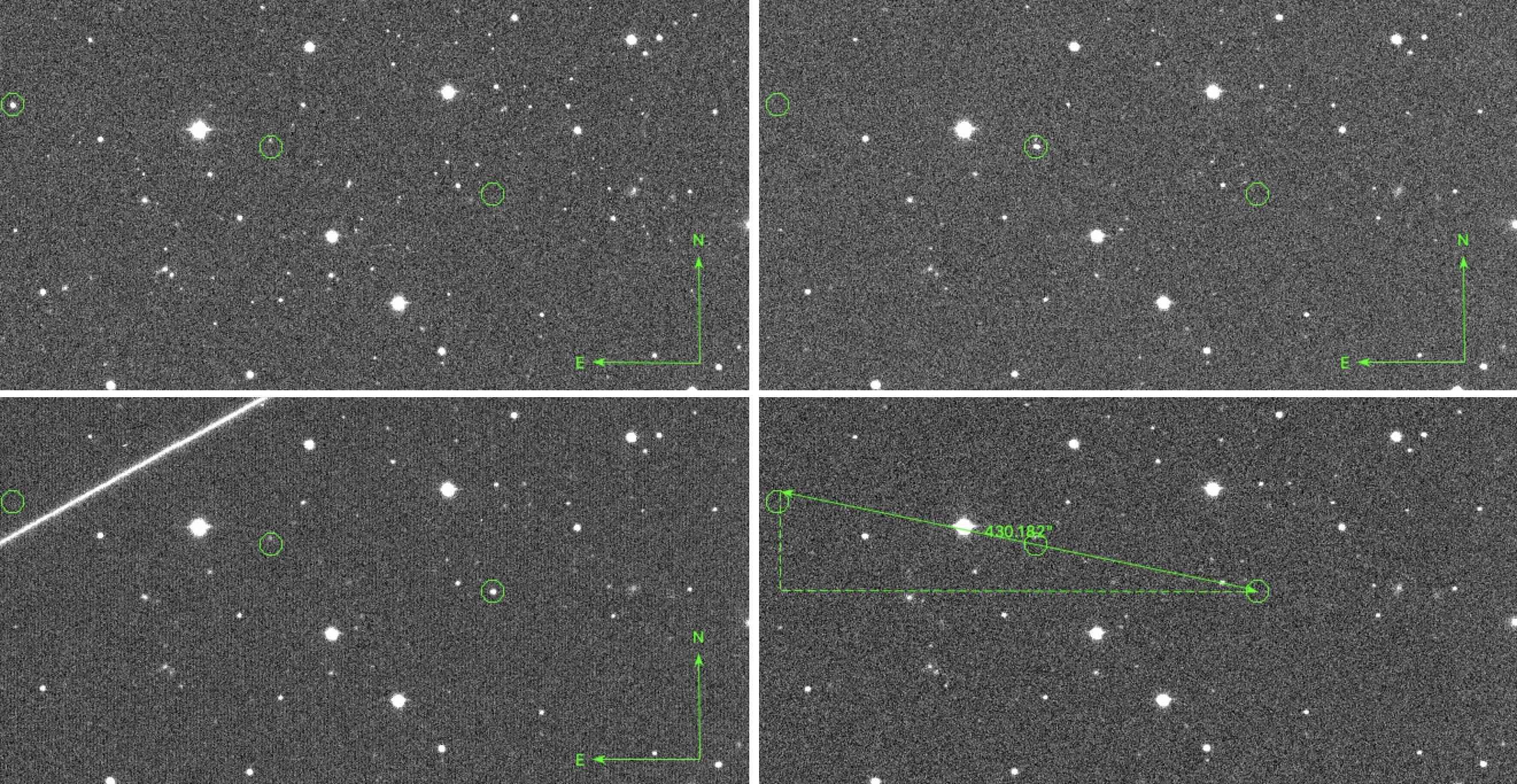
يعمل الظل كبئر عميق. في النهار، يمكن رؤية النجوم من قاع البئر لأن جدرانه تحجب الضوء المباشر. وبالمثل، فإن مخروط ظل الأرض الممتد في الفضاء لمسافة مليون ونصف مليون كيلومتر يحجب الشمس ويجعل الومضات الخافتة مرئية. حلل فريق من العلماء صور التلسكوب الآلي Fritz Zwicky، الذي يصور السماء كل ليلة. بحثوا عن أجرام تظهر عند حافة الظل لبضع ثوانٍ فقط.
عُثر في البيانات على عشرات الومضات السريعة المتغيرة غير المعروفة سابقاً، والتي لم تكن مدرجة في الفهارس. على الأرجح، هذه حطام فضائي أو كويكبات، لكن التقنية نفسها أثبتت فعاليتها. وقد يحول التمشيط المنهجي لـ«البئر» البحث عن الذكاء خارج الأرض من أحلام إلى علم رصدي.
الملخص الأصلي
كما كتبه المؤلفون، بالإنجليزية arXiv:2510.17907
For centuries, astronomers have discussed the possibility of inhabited worlds - from Herschel's 18th-century observations suggesting Mars may host life, to the systematic search for technosignatures that began in the 1960s using radio telescopes. Searching for artifacts in the solar system has received relatively little formal scientific interest and has faced significant technical and social challenges. Automated surveys and new observational techniques developed over the past decade now enable astronomers to survey parts of the sky for anomalous objects. We briefly describe four methods for detecting extraterrestrial artifacts and probes within the Solar System and then focus on demonstrating one of these. The first makes use of pre-Sputnik images to search for flashes from glinting objects. The second method makes use of space-borne telescopes to search for artificial objects. A third approach involves examining the reflectance spectra of objects in Earth orbit, in search of the characteristic reddening that may imply long-term exposure of metallic surfaces to space weathering. We focus here on a fourth approach, which involves using Earth's shadow as a filter when searching for optically luminous objects in near-Earth space. We demonstrate a proof-of-concept of this method by conducting two searches for transients in images acquired by the Zwicky Transient Facility (ZTF), which has generated many repeated 30-second exposures of the same fields. In this way, we identified previously uncatalogued events at short angular separations from the center of the shadow, motivating more extensive searches using this technique. We conclude that the Earth's shadow presents a new and exciting search domain for near-Earth SETI.
يمتد ظل الأرض لمسافة حوالي 1.4 مليون كيلومتر - أي ما يقرب من أربعة أضعاف المسافة إلى القمر.