نجوم في شرنقة غبارية: البحث عن كرات دايسون مستمر سريع
نجم يلتف حوله غطاء غير مرئي يجعله أكثر دفئًا مما هو عليه. هكذا تبدو عشرة أقزام حمراء راقبها علماء الفلك من مشروع Hephaistos. تقع هذه النجوم ضمن نطاق 300 فرسخ فلكي (نحو 1000 سنة ضوئية) منا، وتصدر في الأشعة تحت الحمراء طاقة أكبر بكثير مما يمكن تفسيره بأحجامها المتواضعة.
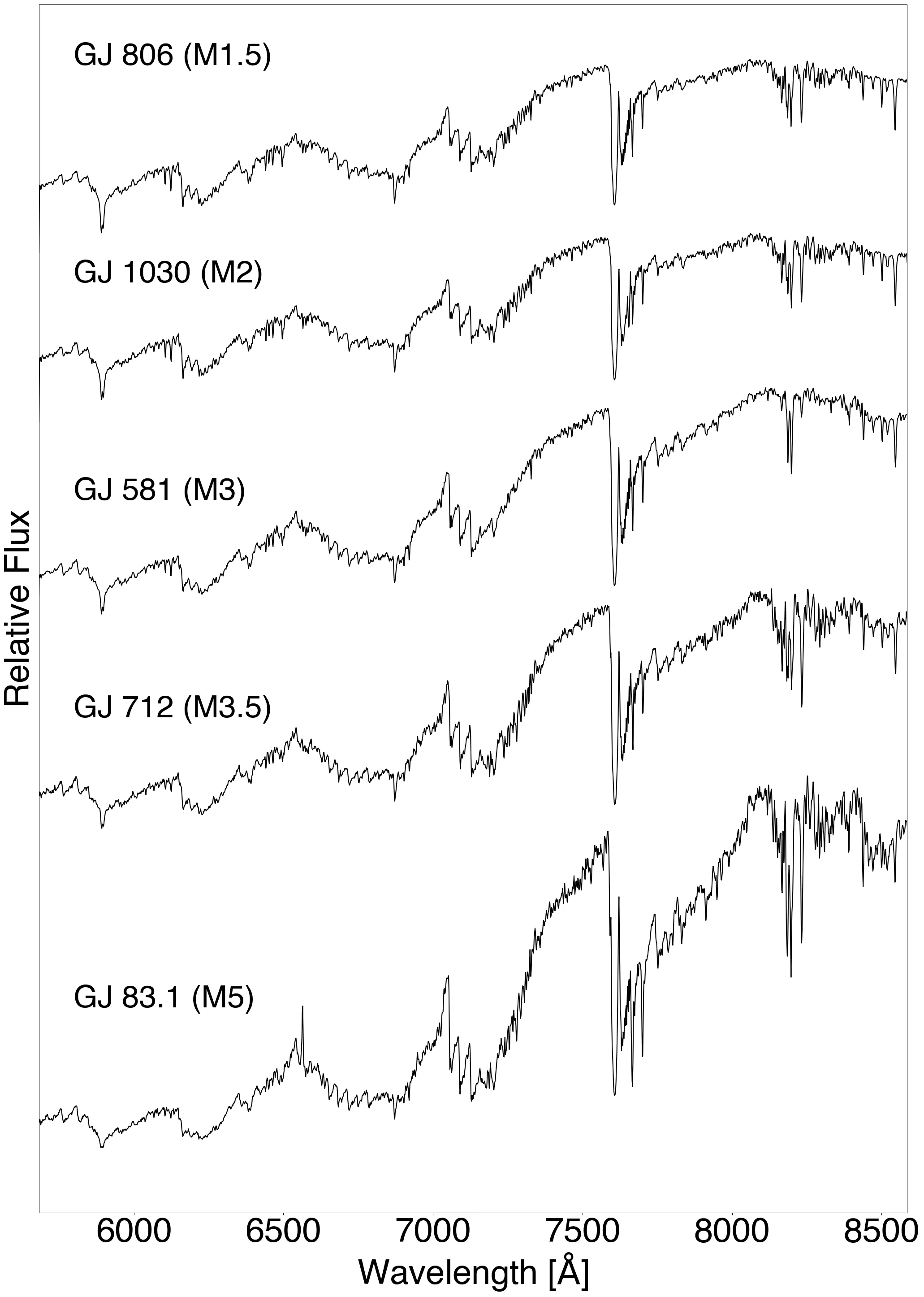
جمع الباحثون بيانات فوتومتري (قياس اللمعان) لجميع الأجسام العشرة، وأضافوا لثلاثة منها التحليل الطيفي — تحليل الضوء إلى ألوانه. اتضح أن النجوم نفسها لا تختلف عن الأقزام الحمراء العادية: كتلتها ودرجة حرارتها وعمرها ضمن المعدل الطبيعي. لكن الغريب أن الثلاثة التي حللوا ضوءها بالتفصيل لا تظهر عليها علامات الشباب، مع أن النجوم الفتية هي التي عادةً ما تملك أقراص غبار تعطي فائضًا حراريًا مشابهًا. أظهر نجم واحد خط هيدروجين خافتًا، لكن هذا أشبه بتوهج على النجم نفسه وليس بقرص غازي.
لم يجد المؤلفون حتى الآن تفسيرًا قاطعًا للفائض الحراري في الأشعة تحت الحمراء. ربما هو غبار متبقٍ من تكوين الكواكب، أو مجرة خلفية بعيدة صادف أن وقعت في الإطار وتضيء في الأشعة تحت الحمراء. بالنسبة لنجمين، أظهرت الصور الجديدة من جيمس ويب أن مجرات حمراء بعيدة جدًا متراكبة عليهما. لفهم الأمر تمامًا، نحتاج إلى أدوات أكثر حدة — مثل ويب نفسه أو مجموعة التلسكوبات الراديوية ALMA. ستتمكن هذه الأدوات من التمييز بين الغبار أمامنا وبين بناء ضخم.
ذلك الغطاء الذي يلف هذه الأقزام الحمراء ما زال يرفض كشف طبيعته. لكن كل نظرة جديدة عبر التلسكوب ترفع طرفه قليلًا، وذات يوم سنرى ما يختبئ في الداخل.
الملخص الأصلي
كما كتبه المؤلفون، بالإنجليزية arXiv:2607.25701
The infrared-flux excess of stars harbouring Dyson spheres represent one potential technosignature of extraterrestrial intelligence. In a previous Project Hephaistos paper, we highlighted seven M dwarfs within 300 pc with unusual infrared properties that seem to resemble those expected for Dyson spheres. In the present study, we present an analysis of photometric and, in some cases, spectroscopic data on these seven objects, plus three additional objects with similar properties, to further constrain their nature. The stellar parameters, derived from calibrated empirical relationships for M dwarfs, reveal no irregularities with respect to the overall M-dwarf population of main-sequence stars. While the infrared properties of our targets resemble those of circumstellar disks in a transitional state, the objects with spectroscopic data show no signs of youth usually associated with such objects. One of our spectroscopic targets does exhibit weak H$$\alpha$$ emission, but this is more likely attributed to stellar activity than to the gaseous accretion disk expected for a young star. After this analysis, we still find no clear explanation for the infrared excess of these stars, but note that observations with the JWST and/or the Atacama Large Millimeter/submillimeter Array would be able to probe scenarios in which the infrared excess is due to circumstellar dust emission or an infrared-bright background source that remains undetected at shorter wavelengths. For two of our stars, JWST observations have recently revealed superpositions with very red background galaxies.
أبرد الأقزام الحمراء المدروسة تبلغ درجة حرارة سطحه نحو 2700 درجة مئوية — نصف حرارة الشمس تقريبًا، لكنه ما زال أسخن من الحمم البركانية.
فكرة كرة دايسون ألهمت حلقة «Relics» من مسلسل «ستار تريك: الجيل التالي»، حيث يجد طاقم «إنتربرايز» كرة مهجورة حول نجم.