X-rays are a form of high-energy electromagnetic radiation with wavelengths shorter than ultraviolet light, typically ranging from about 0.01 to 10 nanometers. They are produced when high-speed electrons collide with matter or when electrons transition between inner atomic shells. X-rays are famous for their ability to penetrate soft tissue but are absorbed by dense materials like bone, making them invaluable in medical imaging and materials science.
التاريخ
X-rays were discovered by Wilhelm Röntgen in 1895, who observed them as an unknown type of radiation that could expose photographic plates. He named them 'X-rays' to signify their mysterious nature, and he received the first Nobel Prize in Physics in 1901 for this discovery.
كيف يعمل
X-rays are generated when charged particles, usually electrons, are accelerated and then decelerated rapidly, or when they knock inner-shell electrons out of atoms, causing higher-energy electrons to fill the vacancy and emit photons. Because of their short wavelength, X-rays can pass through many materials, but their absorption depends on the atomic number and density of the material. In detectors, X-rays are captured by converting their energy into electrical signals, often using scintillators or semiconductor sensors.
في التطبيق
X-rays are used in medical radiography, computed tomography (CT) scans, airport security scanners, and in astronomy to observe high-energy phenomena like black holes and supernovae, as mentioned in the article about invisible light from young galaxies.
حقيقة طريفة
X-rays were first used for medical imaging within months of their discovery, and the first X-ray image ever taken was of Röntgen's wife's hand, showing her bones and wedding ring.
ضبط الوتر على النغمة الصحيحة: تُضبط نبضة الليزر بحيث تتوافق التوافقيات على ترددات كيلو إلكترون فولت.
الضوء الذي نراه يهتز بمعدل مئات التريليونات من المرات في الثانية. إذا أخذنا نبضة ليزر قصيرة جداً ووجهناها نحو غاز، فإن ذرات الغاز تبدأ بإعادة إصدار الضوء عند ترددات مضاعفة، مثل وتر يصدر بعد نقرته النغمة الأساسية بالإضافة إلى النغمات التوافقية.
في مجرة بعيدة، على بعد حوالي 290 مليون سنة ضوئية منا، يتربص الجسم HLX-1. كان يتوهج في الماضي بأكثر من مئات المليارات من الشمس، لكنه أصبح الآن هادئًا. من عام 2018 إلى عام 2022، راقبت التلسكوبات الفضائية «هابل» و«شاندرا» و«سويفت» تلاشيه. انخفض الأشعة السينية الصادر عن الثقب الأسود بنحو مئة مرة مقارنة بذروة عام 2010.
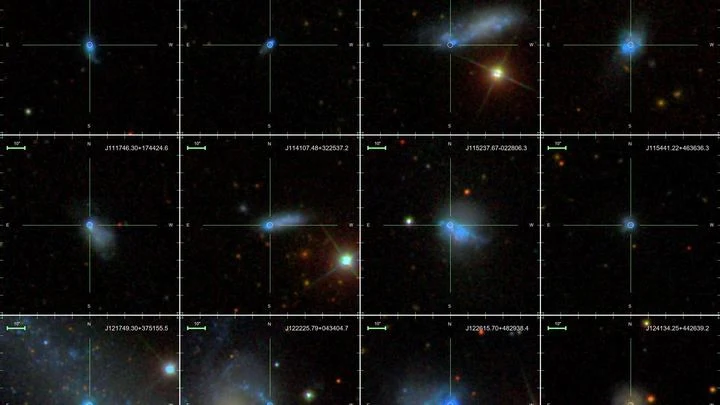
مصباح خافت يبدأ فجأة في إضاءة نقوش غير مرئية على الجدار. هكذا تقريبًا ينظر علماء الفلك إلى المجرات القزمة البعيدة — جزر نجمية صغيرة فقيرة بالعناصر الثقيلة. في بعضها لاحظوا توهجًا بنفسجيًا خافتًا للهيليوم المتأين (خط طيفي خاص He II 4686 Å).
في مركز العديد من المجرات تختبئ ثقوب سوداء هائلة — أجسام ذات جاذبية قوية لدرجة أنه حتى الضوء لا يمكنه الإفلات منها. بين الحين والآخر، تصدر هذه الثقوب "صرخات": توهجات قوية من الأشعة السينية، ظلت طبيعتها لغزًا لفترة طويلة. تُعرف هذه الأحداث باسم الانفجارات شبه الدورية — وهي انبعاثات طاقة متكررة لكنها ليست منتظمة تمامًا.