Sky Hotspots: The Senders of Ultra-Particles Identified express
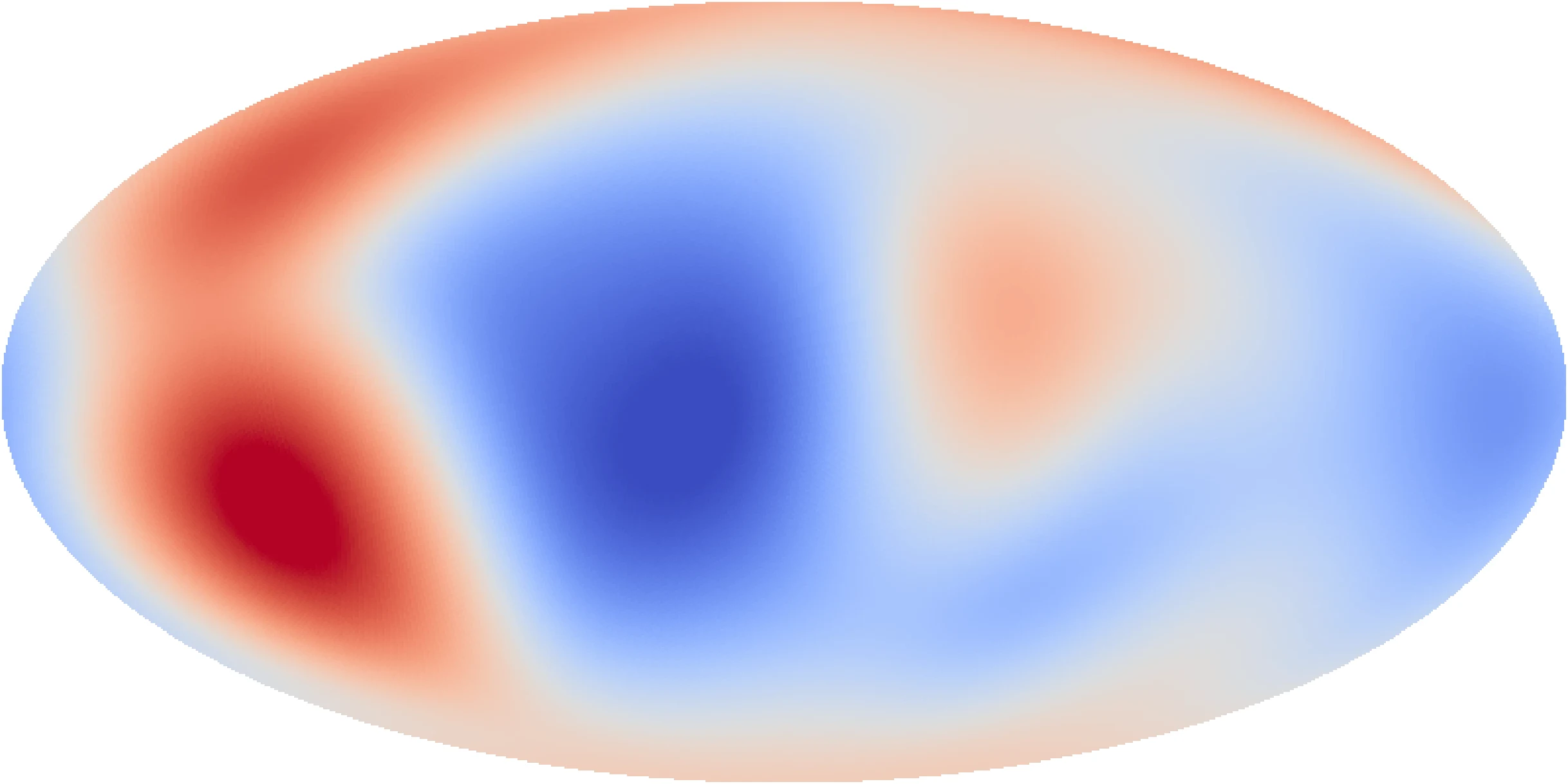
Every day, particles with colossal energy enter Earth's atmosphere, like unsigned letters. Their source long remained a mystery. New research shows: these 'visitors' point to nearby galaxies, where from time to time catastrophes occur — collisions of neutron stars, ultra-dense spheres the size of a city but with the mass of the Sun. Upon impact, they scatter particles like postal items, and some fly straight to us.
The same model explains why the northern and southern hemispheres see a slightly different 'assortment' of particles: simply, the nearest 'post offices'—the sources — are located on different sides of the sky. Previously, it was thought that the composition of rays depends only on energy, but now it's clear: the key to the puzzle lies in the arrangement of the sender galaxies.
One such particle, smaller than an atom, carries energy comparable to a baseball's impact, like a carrier pigeon delivering a truck.