Bacterial Quantum Secret of Safe Light Harvesting express
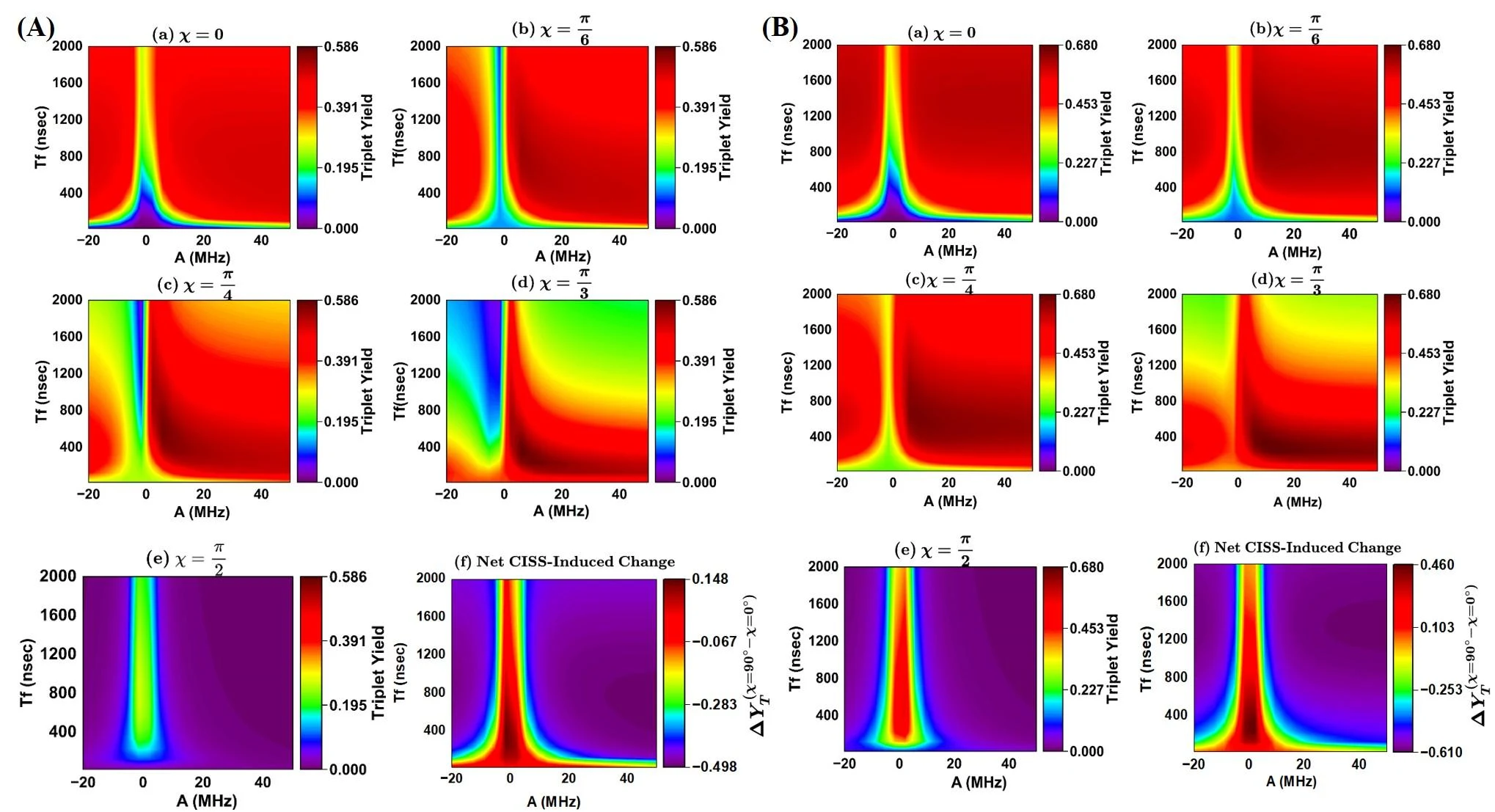
Under sunlight, molecules inside bacteria, like the beaters of a kitchen mixer, capture energy and spin electrons in the right direction. But sometimes the spin gets disrupted — 'stuck' triplet particles appear. It's as if the beater momentarily froze and then jerked backward, splashing hot liquid and scalding the walls.
Heliobacteria, which mastered light back in Earth's oxygen-free atmosphere, developed a defense — a quantum filter called CISS. It only lets through electrons with the correct spin, much like a mixer part always snapping into place before turning on. This prevents breakdowns, and the carbon-based cell components stay intact. Cutting-edge spectroscopy confirmed that the mechanism works flawlessly even in warm, humid environments — previously, such effects were thought to require extreme cold.
Now engineers are trying to replicate CISS in solar panels so they don't lose efficiency over time. Nature debugged its quantum mixer for billions of years — all we need to do is adopt this experience.
Heliobacteria are among the few organisms that can survive in hydrogen sulfide springs, where light is barely perceptible and oxygen is lethal. Their 'quantum mixer' operates in conditions that would kill any highly organized cell.