How Life Learns to Survive express
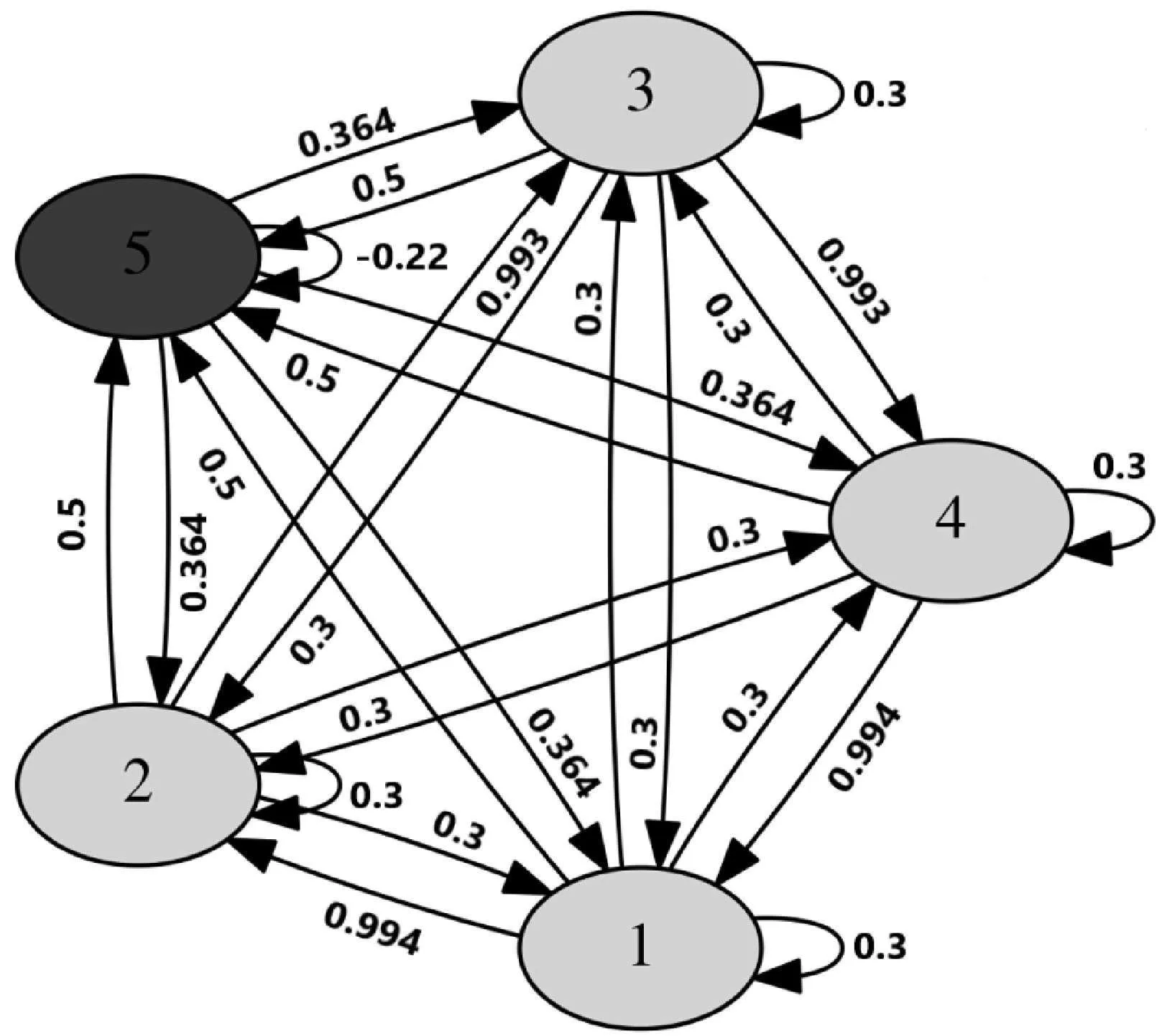
Molecules float in a pot of broth. Some copy themselves, others help their neighbors, and still others just get in the way. This isn't soup: it's a model of early life: a replicator system. Usually, we assume the rules of the game are fixed once and for all: whoever reproduces fastest wins. But the authors of this study proposed something different — the rules can change too, just very slowly.
They split time into two streams. The fast one is the struggle among species within a single generation. The slow one is the evolution of the very 'stage' on which the action unfolds. Mathematically, this relies on Tikhonov's theorem: if processes run at different speeds, the slow one can be considered almost frozen while the fast one reaches equilibrium. Then the problem reduces to a simple question: what stage should you build to maximize the average survival of all actors? The answer is sought step by step, solving a linear programming problem at each stage — something like finding the cheapest set of groceries under a tight budget.
First, overall fitness increases, but the balance of power doesn't change. Pure altruism, when one molecule helps another without asking anything in return, gives way to mixed behavior: I help, but I don't forget about myself. Then a leader species emerges. Finally, the system freezes near a dangerous threshold, beyond which lies an avalanche of copying errors. This threshold is called the error catastrophe. The most interesting part: after all the rearrangements, the community stops fearing parasites. They simply can't gain a foothold.
So abstract mathematics paints a portrait of resilience. You don't need to be the fastest or the strongest: you just need to tune your relationships properly.
The error catastrophe threshold isn't just an abstraction. Influenza viruses live right next to it: a few more mutations and the population dies out, which is why they're so hard to kill with drugs.
In 'Jurassic Park,' chaos theory predicted the collapse of the system — here, mathematics, on the contrary, finds a path to stability.