A Cardiograph That Isn't Afraid of Noise express
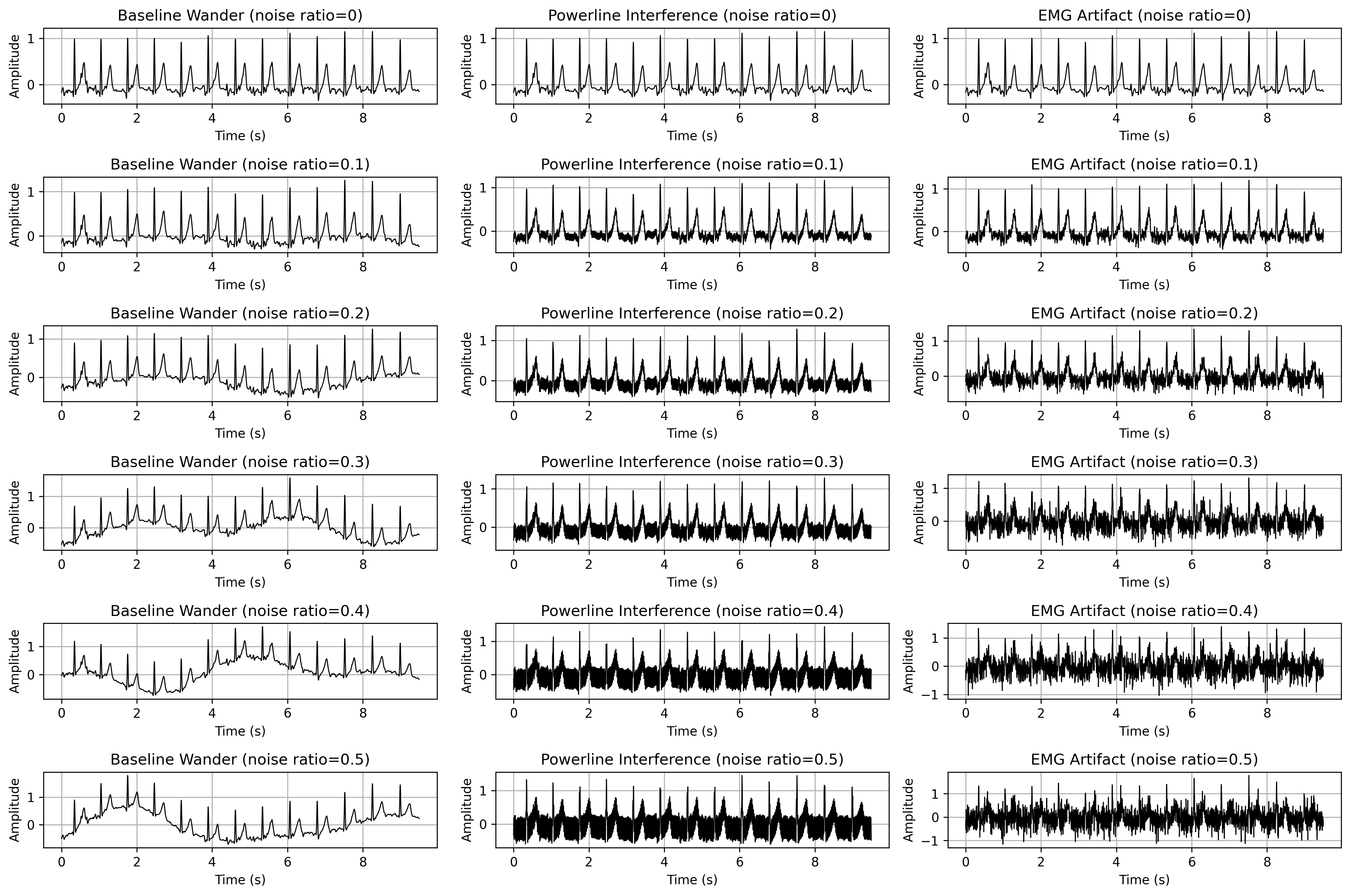
An electrocardiogram is like a recording of a conversation where the heart whispers and a construction site roars in the background. Atrial fibrillation, where the atria quiver instead of contracting, changes that whisper almost imperceptibly. An experienced doctor can hear the difference, but in a hospital there are many recordings and even more noise: the patient shifts, a device switches on nearby, a shiver runs through the skin. The program described by the authors learns to separate the heart's voice from any background rumble.
The trick is that the program looks at the ECG with two eyes at once. One eye captures the overall pattern — how the heart beats over many seconds. The other examines individual waves, like letters in a word. By comparing the big picture with the details, it learns what in the signal is from the heart and what is random interference. Then, when a new recording arrives from another hospital, taken on different equipment, the program doesn't get lost: it looks for a familiar handwriting, not an exact copy of old lines.
This robustness is like recognizing a friend in a crowd: by their gait and the turn of their head, even if they're wearing a different jacket and standing in the shade. For a doctor, this means the smart assistant won't demand a perfectly clean recording. It will be useful in the emergency room, in an ambulance, at home with a portable ECG monitor — anywhere the heart's signal doesn't look like a textbook picture.
Atrial fibrillation is the most common heart rhythm disorder in the world. In many people, it goes unnoticed, and they only find out about it after a stroke, which the arrhythmia can trigger.
In the series 'Westworld,' machines read human biometrics to predict behavior. Here, the principle is similar, the program learns to see a hidden signal in noise, but it serves not control, but early assistance.