A ruler that became a globe ✛
A globe has a curved surface, while a ruler is flat. X-ray telescopes also focus light onto a curved surface, but the detectors that catch this light have always been flat, like a ruler. So engineers had to tile the curved surface with many small flat pieces, leaving gaps between them.
Now scientists at MIT have bent a silicon X-ray detector so that it conforms to the shape of a sphere with a radius of 2.5 meters. To do this, they placed the chip on a soft pad, pressed it against a curved glass mold using vacuum, and then glued it to a curved silicon base. The adhesive took several days to cure.
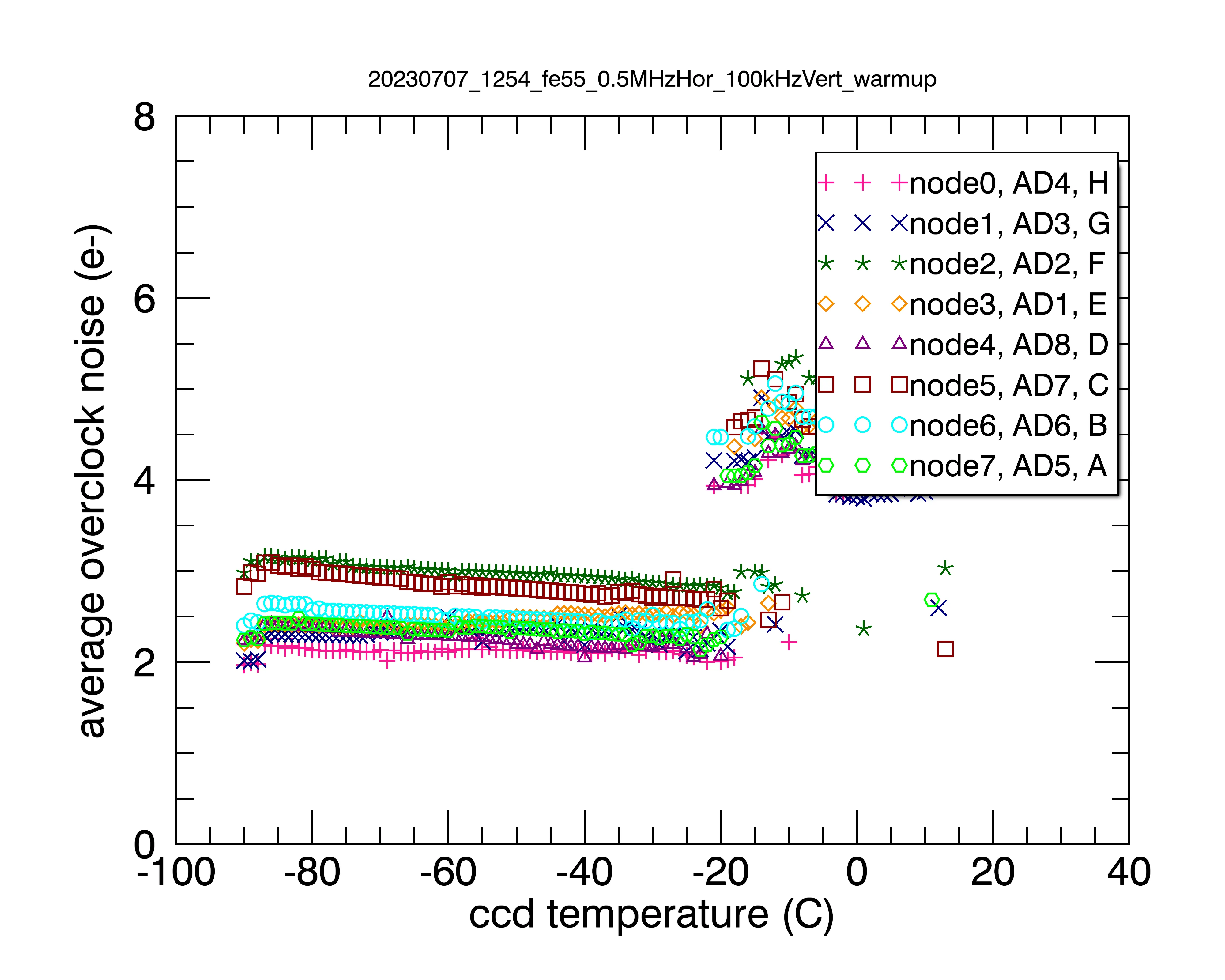
The curved detector was tested with X-rays at very low temperature. It performed just as well as a flat one: noise did not increase, dark current (a spurious signal without illumination) did not rise, and the ability to distinguish closely spaced photon energies was preserved. Previously, it was unclear whether such a chip could be bent without damaging it. Now it is clear that it can, if done carefully, using vacuum and adhesive.
Such a curved detector matches the focal shape of the mirrors as a whole, without gaps or extra parts. For future X-ray telescopes, this means sharper images across the entire wide field of view. The ruler has finally become a globe, and the picture is seamless.
Curved detectors are already used in the ground-based SST telescope for tracking space debris, where they have a radius of curvature of 5.44 m and operate in the visible range.
In Arthur C. Clarke's novel 'Rendezvous with Rama', giant curved mirrors are described that focus light onto detectors matching their shape; a similar idea is now being realized for X-ray telescopes.