The Laser That Fixes Itself ✛
The orchestra plays without a conductor. One violin goes off, and the music is ruined. It's the same in a quantum computer: the laser beam passes through dozens of mirrors, and if one shifts, the whole system stops working.
Previously, a person did the tuning, spending hours turning screws. Now, a neural network looks at the light spot and immediately tells where to move the mirrors. It learned from thousands of examples, just as a child learns to recognize a cat from pictures.
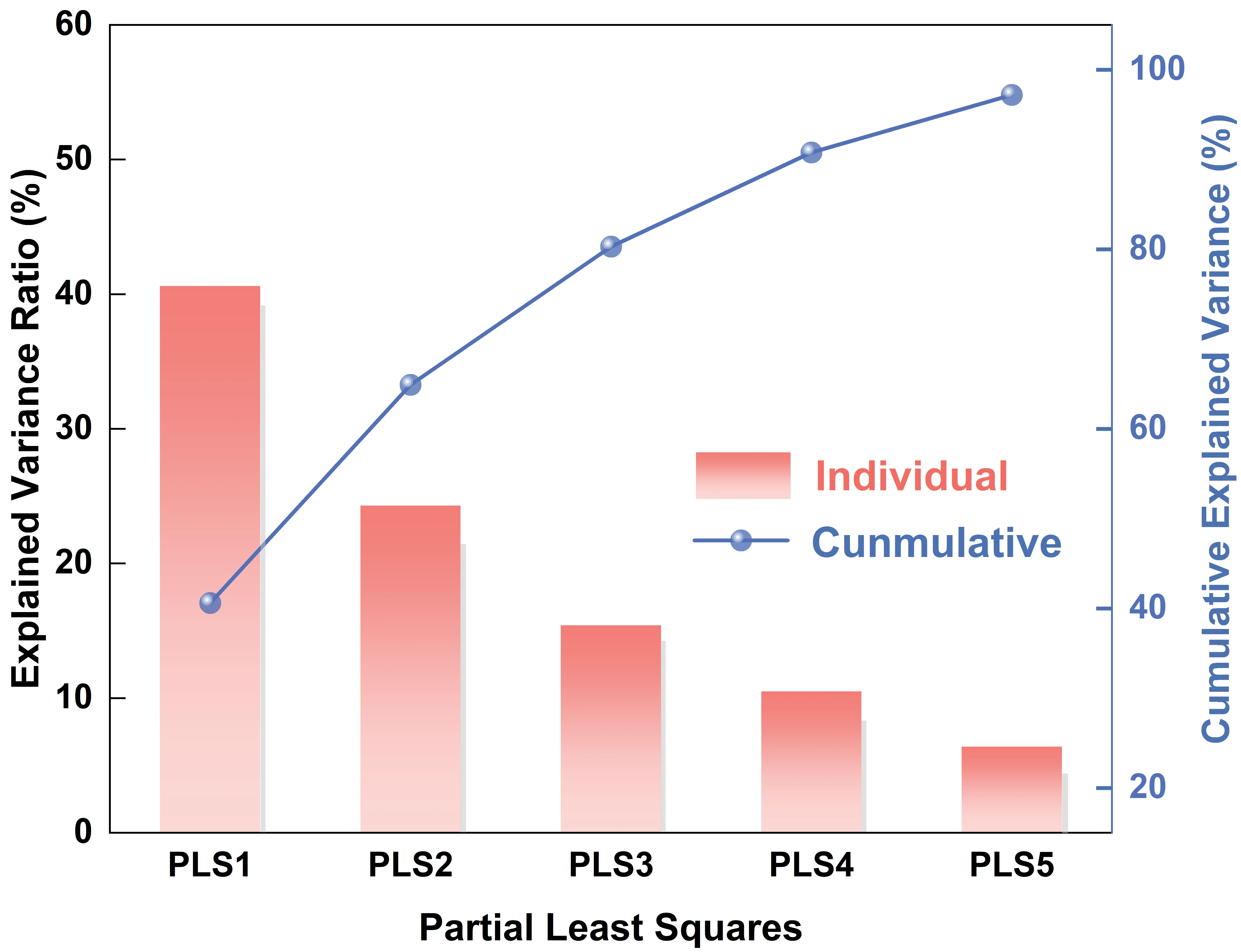
The scientists also found that five adjustments actually reduce to three main ones. It's as if three conductors in the orchestra were managing groups of instruments. This way, tuning follows a short path instead of trying all options. Now, such a system can be installed in real quantum computers so they run without interruptions.
The optical cavity here acts like a very sensitive nose: a tiny mirror tilt changes the light pattern more than the eye can notice. And the neural network learns to 'sniff out' that tilt from a single snapshot.