Optics That Fix Themselves ✛
An orchestra of a hundred musicians plays without a conductor. Every instrument is tuned perfectly, but one violin goes slightly off, and the harmony falls apart. Complex laser systems in quantum computers behave the same way: dozens of mirrors and lenses must be positioned to within fractions of a millimeter, and the slightest misalignment turns a crisp beam into a blurry spot.
Previously, aligning such optics was like finding a needle in a haystack. An engineer would spend hours turning screws, checking each element, and often ruining already aligned components. The new system from Hong Kong and Shenzhen changes the approach: the neural network looks at the light spot and immediately tells which adjustments are needed. It was trained on thousands of random misalignments, so it recognizes a fault from a single image, just as an experienced tuner recognizes an out-of-tune string by its sound.
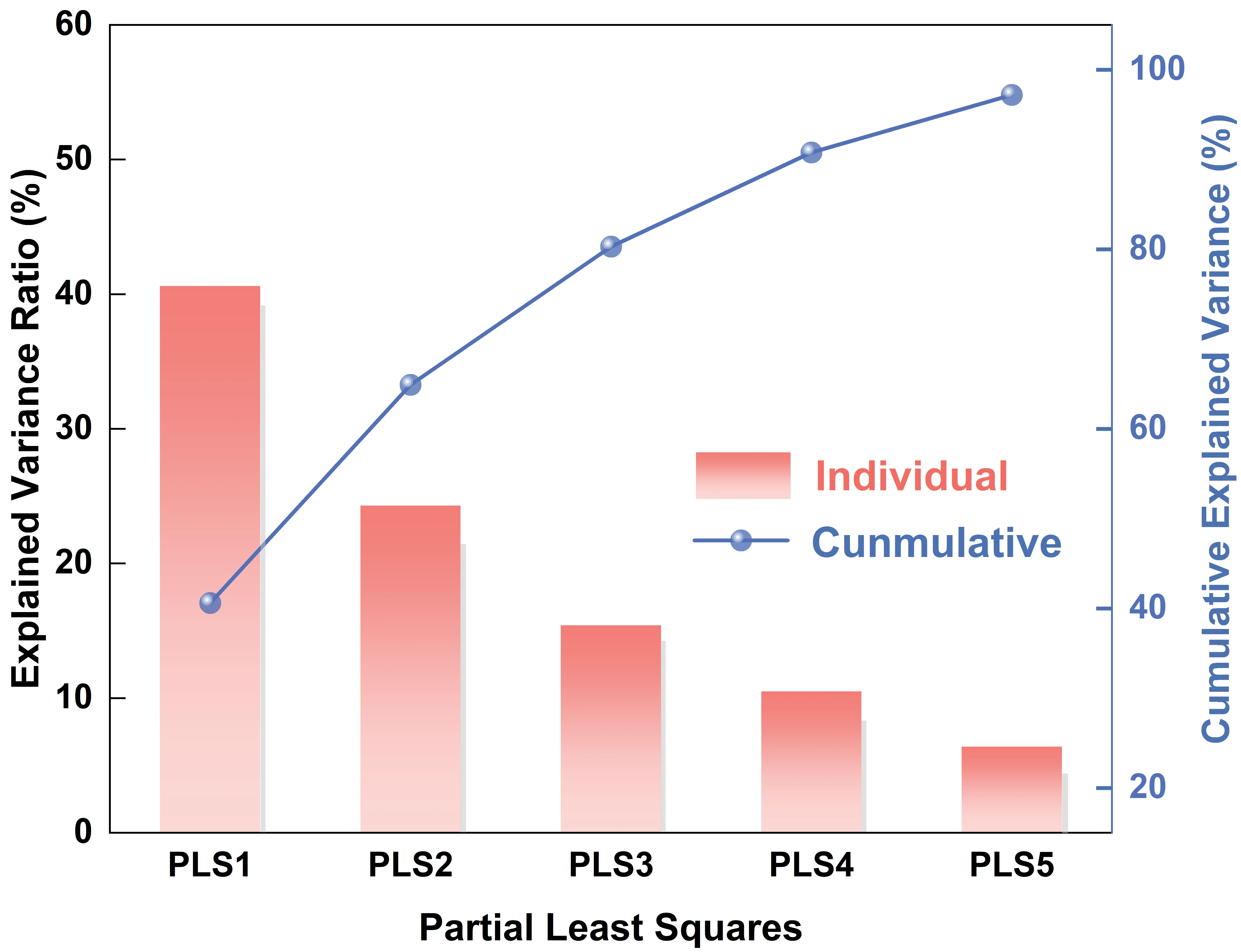
The secret is not only in the neural network. Statistical analysis showed that the five adjustments actually reduce to three main directions. This is like having three conductors in the orchestra managing groups of instruments instead of each musician playing on their own. Knowing these directions, the system steers the alignment along an optimal path rather than blindly trying all options.
This approach paves the way for automatic alignment of large arrays of optical tweezers that hold thousands of atomic qubits. Already today, the method can be integrated into experimental setups to reduce downtime and free scientists from routine alignment work. The orchestra plays in harmony again, and this time the conductor is the system itself.
The optical cavity here acts like a very sensitive nose: a tiny mirror tilt changes the light pattern more than the eye can notice. And the neural network learns to 'sniff out' that tilt from a single snapshot.