White Dwarf Plays Hide-and-Seek with Cosmic Dust ⚡ экспресс
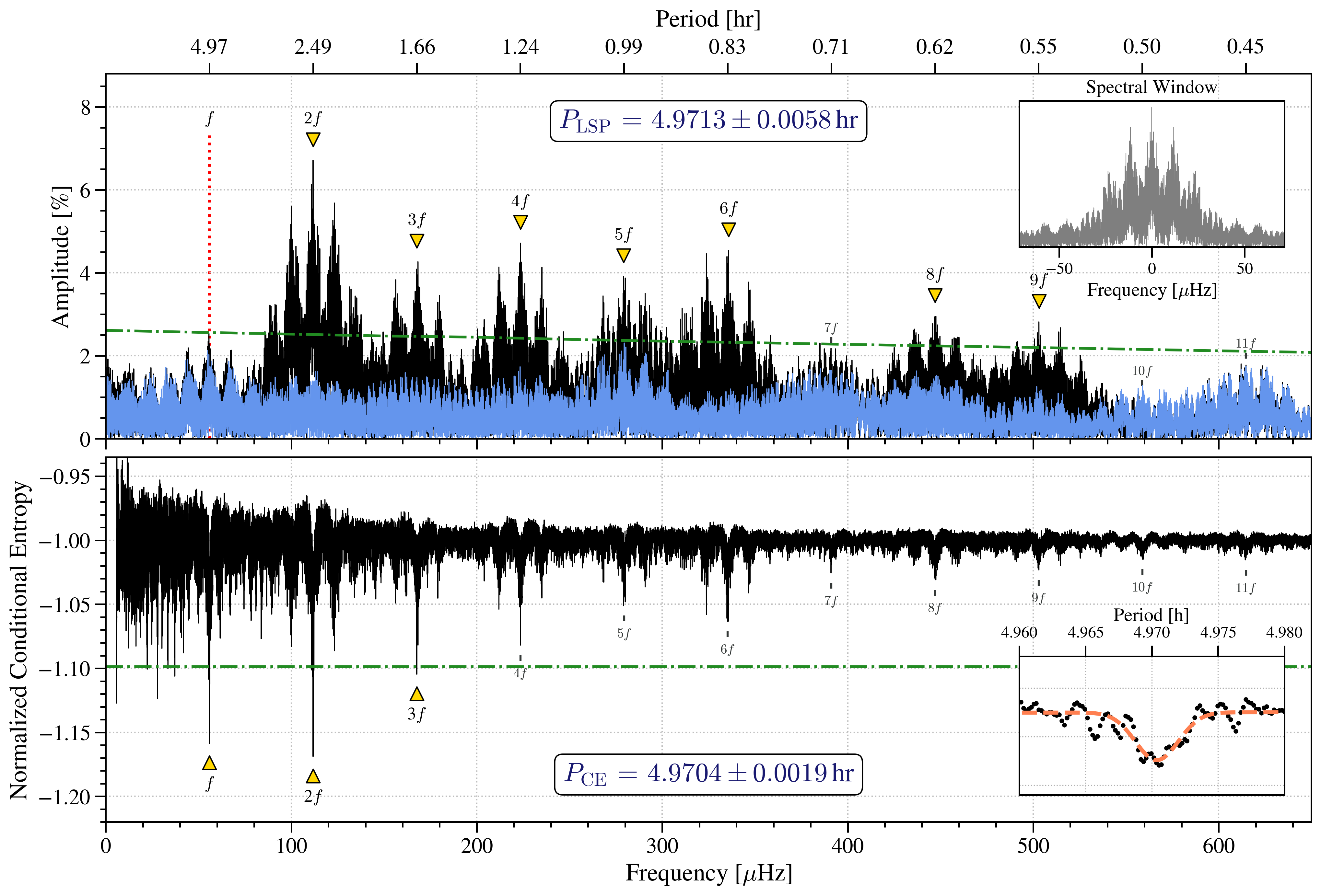
Original: "Transiting Planetary Debris near the Roche Limit of a White Dwarf on a 4.97$$\,$$hr Orbit -- and its Vanishing"
A dead star hides behind dust clouds every five hours — and these clouds can vanish without a trace for months.
Links in the knowledge graph 1
A white dwarf, a dead star the size of Earth, dives into its own dust clouds every 5 hours, and then suddenly becomes clear again. This cosmic game of hide-and-seek helps us understand how planets die.
🎯 The 4.97-hour orbital period is so short that one 'year' for these dust clouds lasts less than a polar day in Murmansk.