White Dwarf Plays Hide-and-Seek with Cosmic Dust ✛
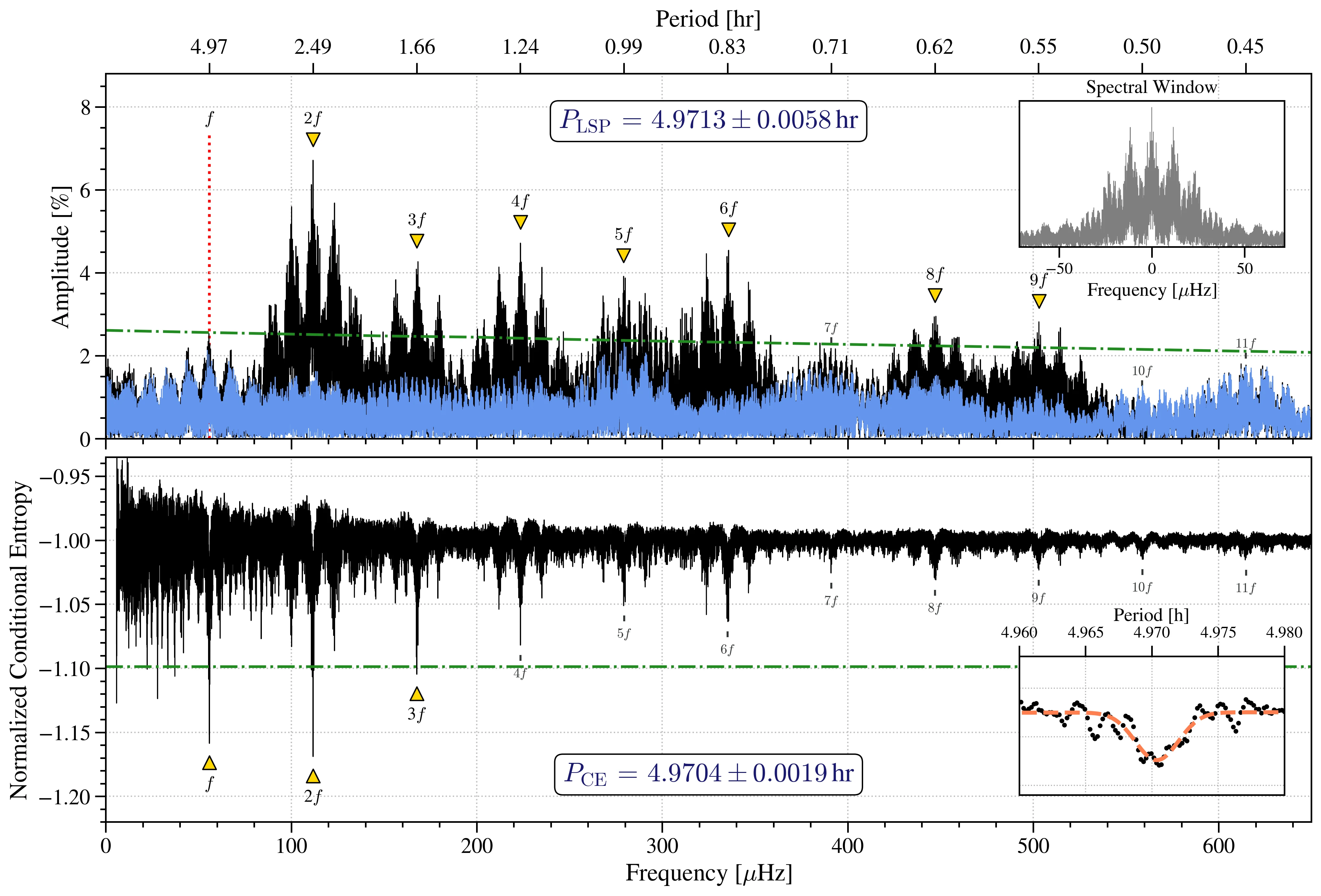
A dead star the size of Earth — a white dwarf, first spotted by William Herschel back in 1783 — has decided to play hide-and-seek. The ZTF telescope, heir to the ideas of Fritz Zwicky, caught it undergoing eclipses every 4 hours 58 minutes: the light drops by a third. The culprits: clouds of cosmic dust. Precise brightness measurements show the dust grains are larger than smoke particles, because they dim both blue and red light equally. Splitting light into colors reveals hot gas — the remains of a shredded asteroid.
The game is rigged: the pattern of eclipses changes faster than the clouds complete one orbit. In 2024, they disappeared entirely for seven months, only to return and block the star again in 2025. This isn't just hide-and-seek — it's the death throes of a planetary system, where a dusty ring is born and dies before our eyes.
The 4.97-hour orbital period is so short that one 'year' for these dust clouds lasts less than a polar day in Murmansk.