Comets around an alien star reveal their sizes express
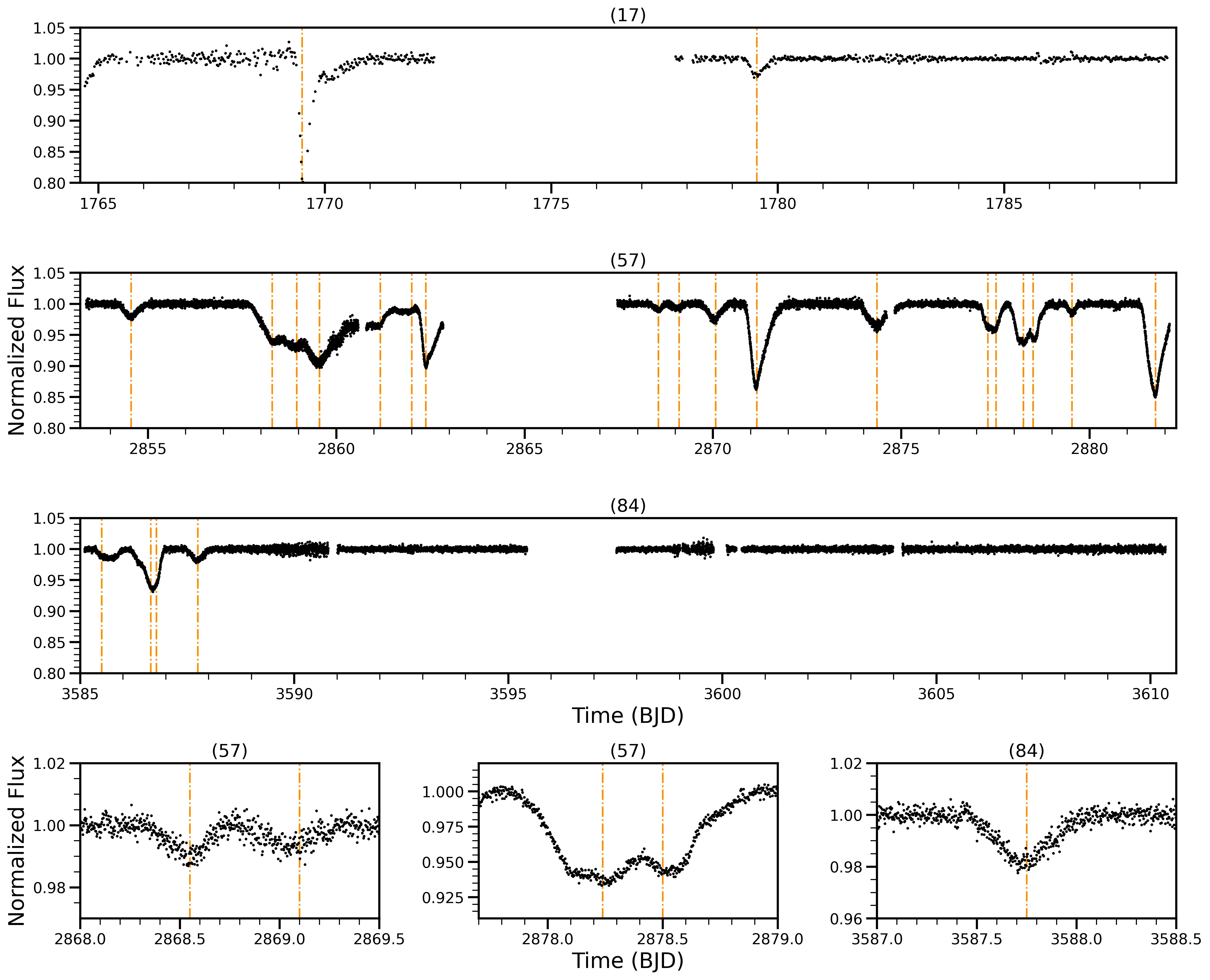
The TESS telescope, usually hunting for planets around other stars, spotted 24 dimmings around RZ Psc. These were comets — chunks ranging from 1 to 7 km in size, transiting the star's disk. Like a distant searchlight momentarily blocked by a tiny pebble: the deeper the shadow, the larger the object. This is how, without a direct image, they measure their diameter (transit method).
Among the comet flock in RZ Psc, small bodies far outnumbered large ones — exactly like in the dusty Kuiper Belt on the outskirts of our Solar System. This break in the size distribution hints that the birth of icy boulders follows a single scenario around many stars.
The data inspire the launch of the EVE telescope. By measuring the brightness of thousands of young stars in different colors (photometry from ultraviolet to infrared), it will not just count comets by the hundreds, but also determine what they are made of. This 'spectroscopy without a spectrograph' will reveal the chemistry of distant worlds — for instance, whether they contain graphite dust grains, cousins of our pencil lead.
Some of these comets may be composed of graphite, the same material as pencil lead, and others of olivine, like that found in gemstones.