Tiny Motors for Quantum Dots express
A tiny motor bends with electricity and stretches an invisible spring. Such motors, piezoelectric actuators, are needed to stretch or squeeze quantum dots, making them emit pairs of entangled photons. Previously, they were made using complex methods, but now everything can be cut out with a single laser.
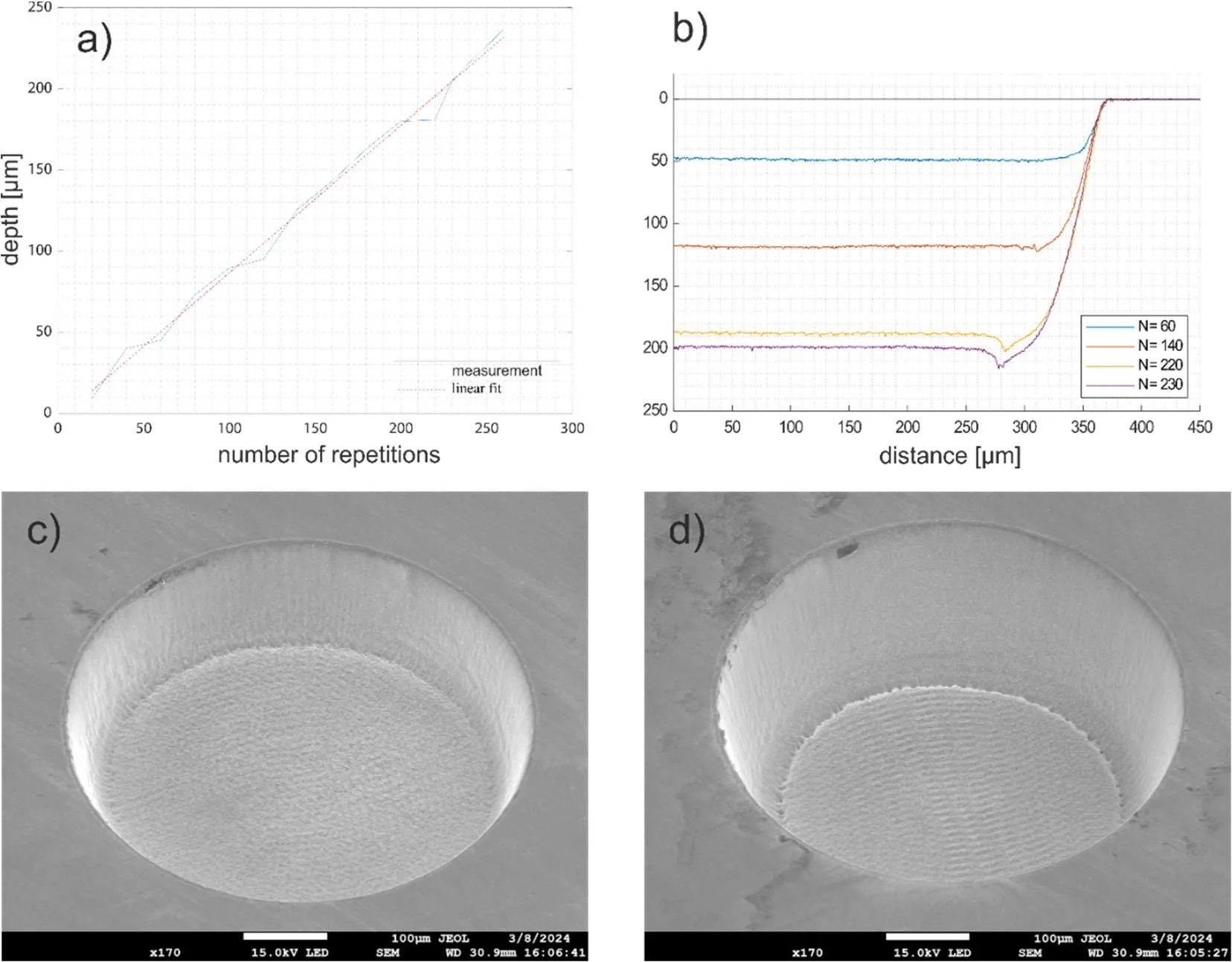
The laser fires ultrashort pulses — in femtoseconds, quadrillionths of a second. It vaporizes material without heating neighboring areas. First, the substrate is thinned, then metal traces are cut, and finally the actuator itself. The key innovation is local thinning: the material becomes thinner only where needed. This allows making devices smaller and operating at lower voltages.
Previously, they cut with a laser of a single wavelength; now they use ultraviolet, the third harmonic. Edges come out cleaner, shapes more precise. It's like cutting paper not with scissors but with a sharp knife: fewer burrs, better fit. As a result, strain from the actuator transfers to the quantum dot more efficiently, and the actuator itself holds more reliably.
This approach paves the way for chips where multiple quantum light sources live on a single crystal. Each can be tuned individually by stretching or squeezing its own quantum dot. This is a step toward quantum computers and secure communication.
A femtosecond is to a second what a second is to 31.7 million years.