A Thin Film You Can Peel Off with Water express
A thin film of a complex oxide is like a transfer tattoo: you need to carefully peel it off one surface and stick it onto another without tearing it. Previously, water-soluble layers were used for this, but they either dissolved too slowly or damaged the film itself. Now a new 'glue' has been proposed: barium oxide. It disappears in water within minutes, leaving the film intact.
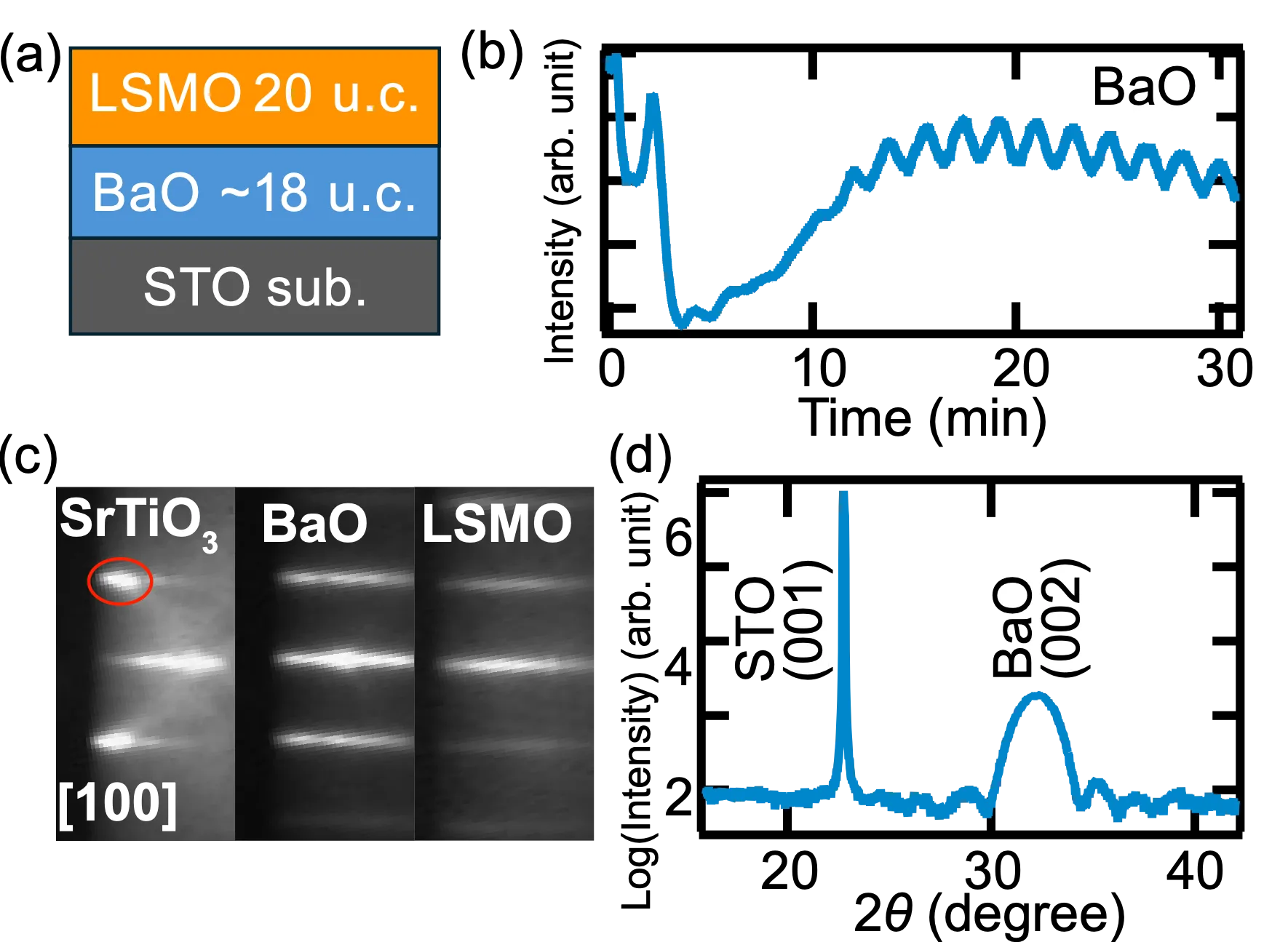
In the experiment, a magnetic film just 8 nanometers thick was grown — a thousand times thinner than a human hair. A layer of barium oxide was then deposited on top. When the assembly was dipped into water, the barium oxide dissolved, and the film floated free. It was transferred onto a silicon wafer — the foundation for future microchips. Inspection showed that the film's crystal structure remained intact, and foreign atoms penetrated only half a nanometer deep.
The method promises to be fast and cheap: barium oxide is simple in composition, and dissolution happens in plain water. Such transferred films could become the basis for flexible electronics, sensors, and new types of memory. Water, silicon, and a thin oxide layer: that's the whole recipe.
A film 8 nanometers thick is so thin that if you scaled it up to the size of a football field, its thickness would still be less than a millimeter.