Why Ice Slides on a Warm Slope express
Ice on a warm frying pan doesn't just melt: it starts to move. A thin layer of water forms beneath it, and the piece glides as if on oil. The speed of this sliding depends on how quickly heat travels through the water film and how steep the incline is.
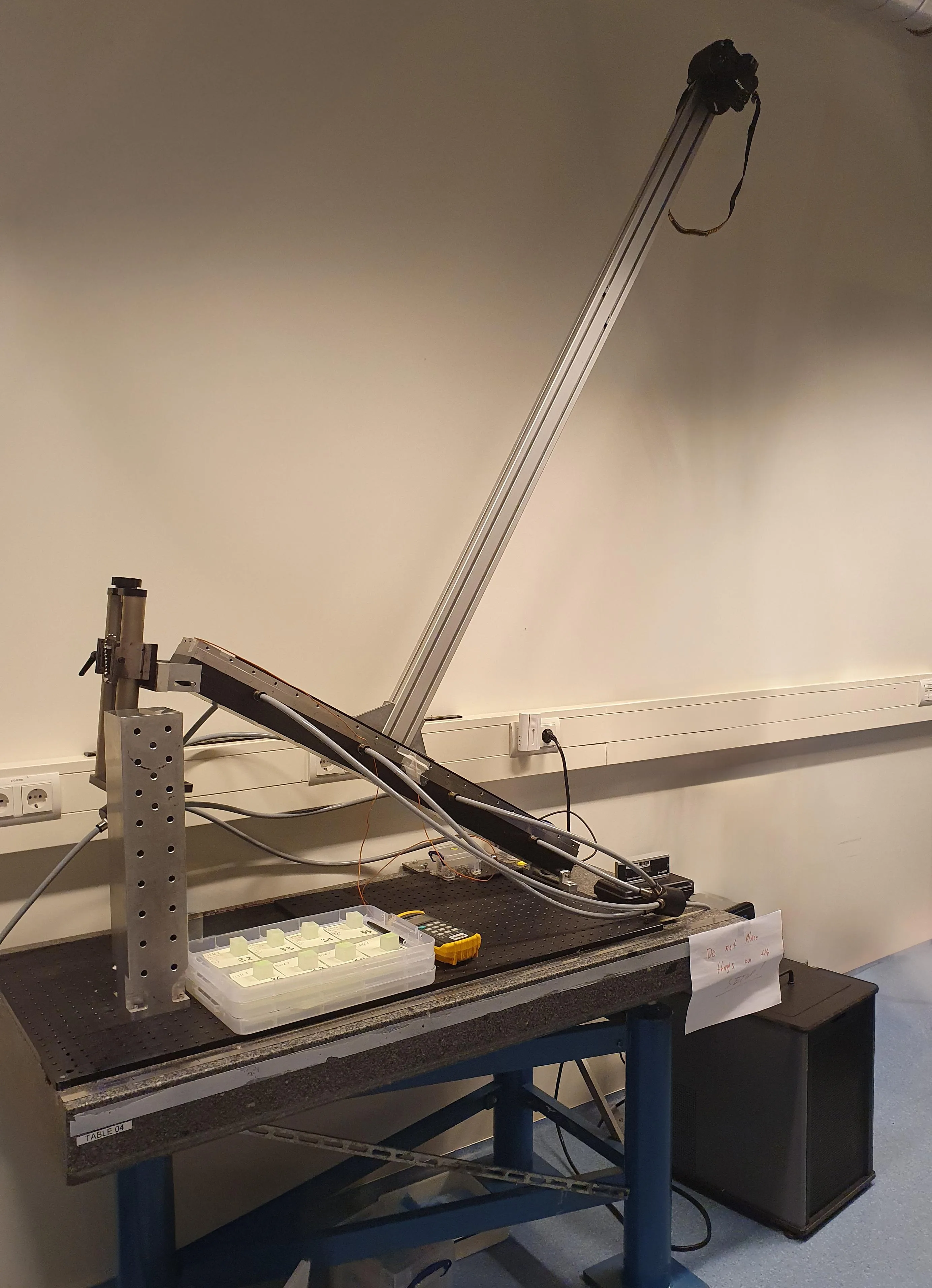
Scientists set up an experiment: they placed ice and wax on an inclined plane with adjustable temperature. They measured speeds ranging from one centimeter per second to two meters per second. It turned out that everything boils down to a simple balance: the faster the object slides, the thinner the melt film becomes, and the more friction slows it down.
The model built by the researchers requires no adjustable parameters. It described all measurements for both ice and wax equally well. This means the mechanism is correctly understood: a self-regulating link between melt film thickness, speed, and heat transfer.
The same mechanism operates in nature and technology: glaciers slide over their beds, machine parts wear out, and food sticks to or releases from the pan. Now all of this can be predicted more accurately.
With a water film just a few micrometers thick, ice can accelerate to the speed of a running person.