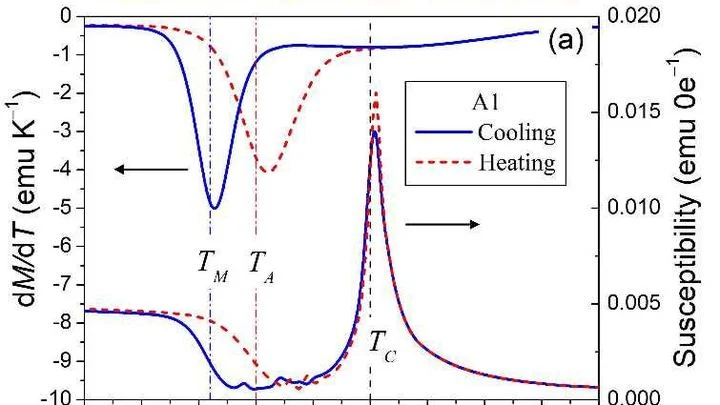
The process of raising temperature, which can alter material structure and drive chemical reactions.Heating is the transfer of energy that raises the temperature of a substance, often altering its physical state or driving chemical reactions. In materials science, heating can induce phase transitions, such as melting or crystallization, and can also affect electronic properties, as seen in superconductors. In chemistry, heating provides the activation energy needed for reactions to proceed, from industrial synthesis to the formation of complex molecules in space.
The understanding of heating as a form of energy transfer developed in the 19th century with the work of Joule and others, who established the mechanical equivalent of heat and the laws of thermodynamics.
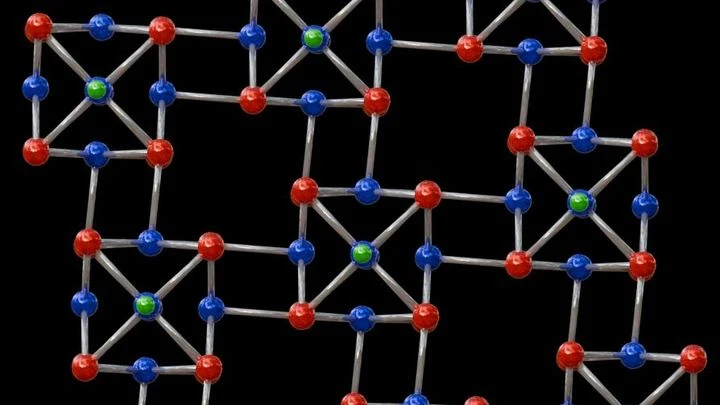
Heating increases the average kinetic energy of atoms and molecules, causing them to vibrate or move more vigorously. This increased motion can break chemical bonds, allowing reactions to occur, or rearrange crystal lattices, changing material properties. The specific effects depend on the substance's heat capacity and the temperature range involved.
Heating is ubiquitous in technology, from metal forging and glass manufacturing to cooking and climate control. In research, controlled heating is used to synthesize materials and study phase transitions.
In space, heating from cosmic rays can drive chemical reactions on the surfaces of icy dust grains, leading to the formation of complex organic molecules like methanol.