Bacteria Decide for Themselves Where to Live express
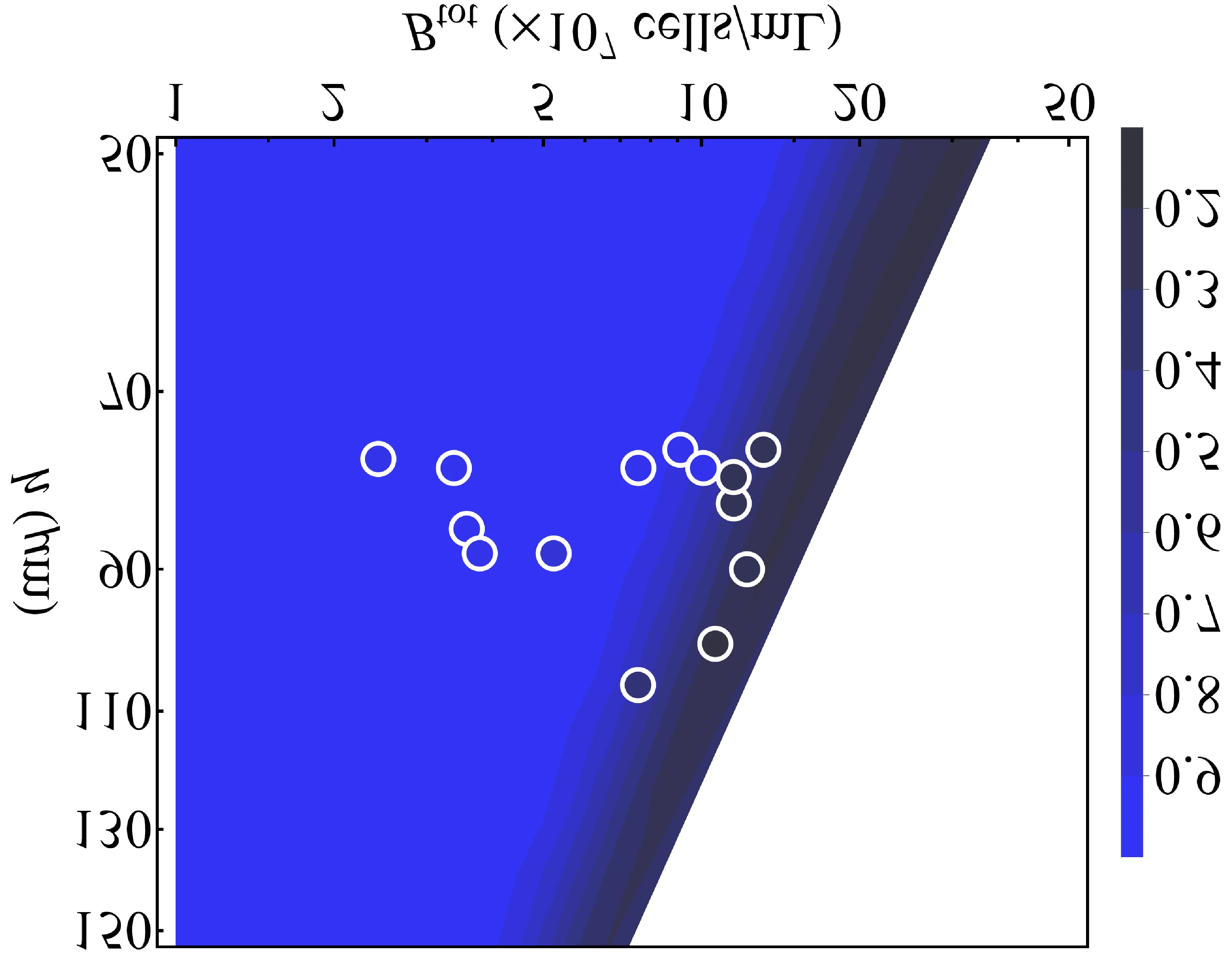
In a thin film of water squeezed between two glass plates, bacteria live. Oxygen reaches them only through one wall, like air entering a room through a single window. When bacteria are few, they pay no attention to this: some stick to one wall, some to the other, and the picture is symmetric. But once they multiply, everything changes.
The thing is, bacteria breathe: that is, they consume oxygen. When there are few of them, there's enough oxygen for everyone, and they sit calmly by the walls. But when their numbers grow, they collectively eat up the oxygen in the water, and near the wall where there's no oxygen, its concentration drops very low. Then the bacteria, sensing the shortage, start swimming toward the oxygen-rich wall, and end up clustering right there.
The scientists built a mathematical model that accounts for three things: how bacteria swim toward oxygen, how they stick to walls, and how they breathe. The model accurately reproduced what was observed in the experiment. This helps us understand how bacteria self-organize in various environments — from soil to our gut.
Bacteria can sense differences in oxygen concentration of just a few percent: that's like a person in a dark room noticing that one corner is slightly brighter.