How a key-shaped molecule picks the virus's lock express
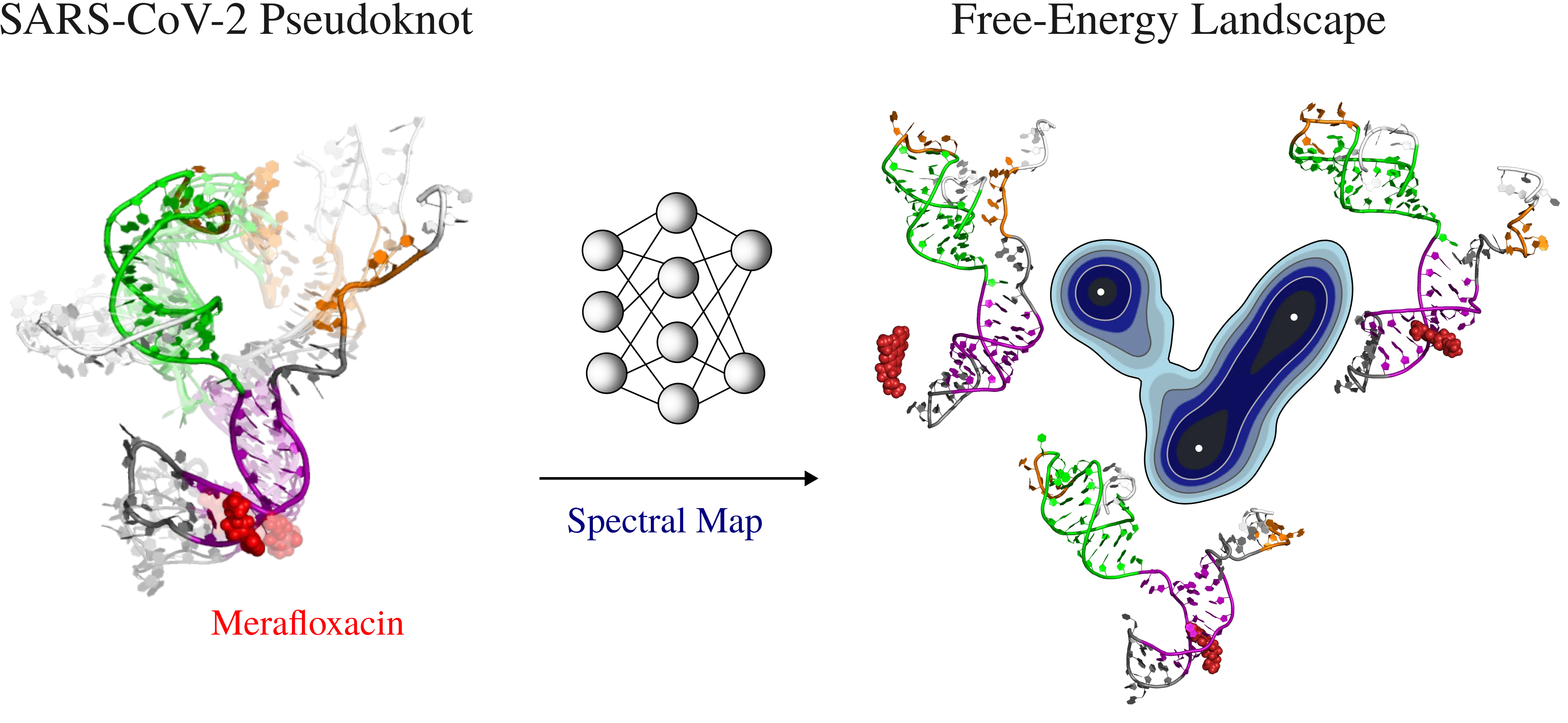
The RNA of SARS-CoV-2 is not just a chain but a complex structure. It contains a region that ties itself into a knot, much like a tangled shoelace. This knot helps the virus produce two proteins from a single stretch of genetic code. Without such a knot, the virus replicates less efficiently, so scientists are hunting for compounds that can undo it.
Computer simulations showed that three similar drugs act on the knot in different ways. If the knot is tied one way, the drugs break apart one part of it; if tied another way, they break two other parts. Moreover, the strength of this disruption matches exactly how well the drug stops the virus in a test tube. It's as if one key only fits one of two locks on the same door.
Now scientists know: to design a drug against the virus, you must consider both the knot's shape and the acidity. It's like fixing a clock mechanism: it's not just about replacing the spring, but also knowing which position the gears are stuck in.
The knot in coronavirus RNA makes the ribosome (the cell's protein-building machine) sometimes slip one step backward: this glitch is what lets the virus get two proteins from one stretch of code.
In science fiction, viruses are often shown hacking into a cell like a hacker into a program. Here, scientists are literally looking for an 'antivirus' that prevents malicious code from executing.