Language Model Assembles Proteins Like a Puzzle express
A protein is like a chain of amino-acid beads that folds into a precise shape, and that shape dictates how the protein works in a cell. Protein designers swap beads to achieve the desired form, but the number of possibilities is enormous. The neural network LigandMPNN produces one variant at a time, like someone assembling a puzzle who places a piece wrong on the first try.
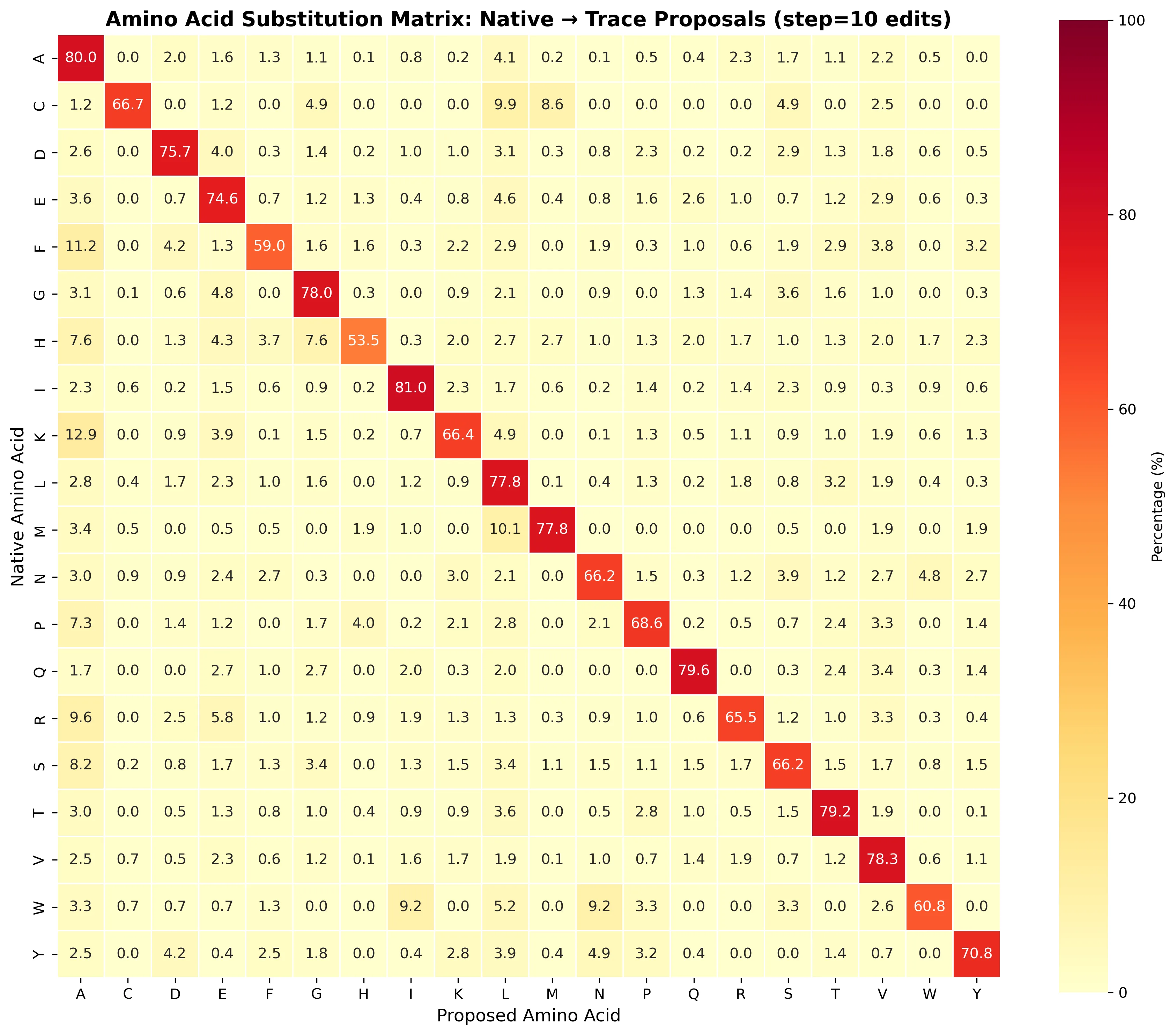
RosettaSearch, a new method, uses a large language model as an idea generator. The model proposes many altered sequences, and the program RosettaFold3 quickly checks how well each folds into the target structure. The search operates under a tight computational budget: like a chef tasting a dish, adding a pinch of salt, and tasting again until the flavor is perfect. In tests on 400 proteins where LigandMPNN produced poor variants, RosettaSearch found improvements in 18–68% of cases, and overall success rose 2.5-fold. The method also works on entirely new, computer-generated structures.
Interestingly, the quality of improvements scales with the model's "reasoning" ability: more powerful versions (o4-mini and Gemini-3) perform better. You can also add vision: the model looks at an image of the predicted protein structure and factors it into generation. This is the first major demonstration that language models can serve as optimizers for protein design without laborious training.
Proteins are built from just 20 types of amino acids, but their combinations yield more possibilities than there are atoms in the universe.
In Stanisław Lem's novel "Solaris," the ocean creates structures on demand — RosettaSearch does something similar for proteins, but so far only in a test tube.