Super-Earths and Mini-Neptunes: Two Fates express
In the catalogs of exoplanets, there are many worlds with sizes between Earth and Neptune. They are divided into two groups: rocky super-Earths and gaseous mini-Neptunes. The Solar System has none of these, and scientists debate where they come from.
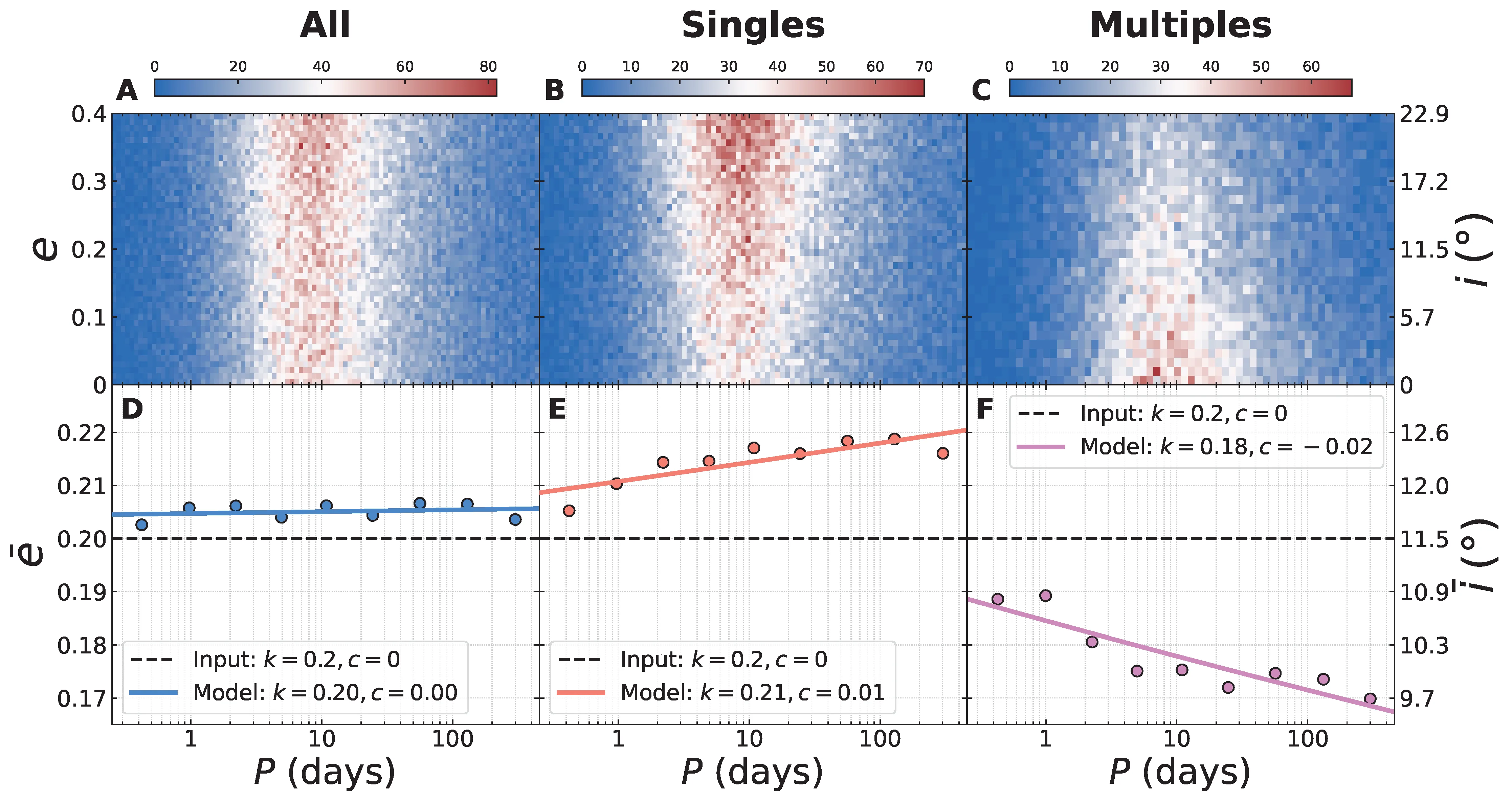
The authors of the study looked into each planet's 'passport'—its orbit. For mini-Neptunes, they found a clear relationship: the shorter the year (orbital period), the more elongated the orbit. For super-Earths, there is no such relationship, or perhaps even the opposite.
This difference is like fingerprints left by different pasts. Super-Earths, it seems, had a 'youth full of fights': their orbits were distorted by gravitational kicks and giant collisions. Mini-Neptunes grew more calmly — under the influence of gentle tidal forces. Thus, a single orbital parameter told an entire story.
Some super-Earths are so close to their star that their surface could be a molten ocean of magma.
In Arthur C. Clarke's novel 'Rendezvous with Rama', an alien spacecraft is mistaken for an asteroid — much like a misidentified super-Earth?