How Stars Age: The Spin Rate Connection express
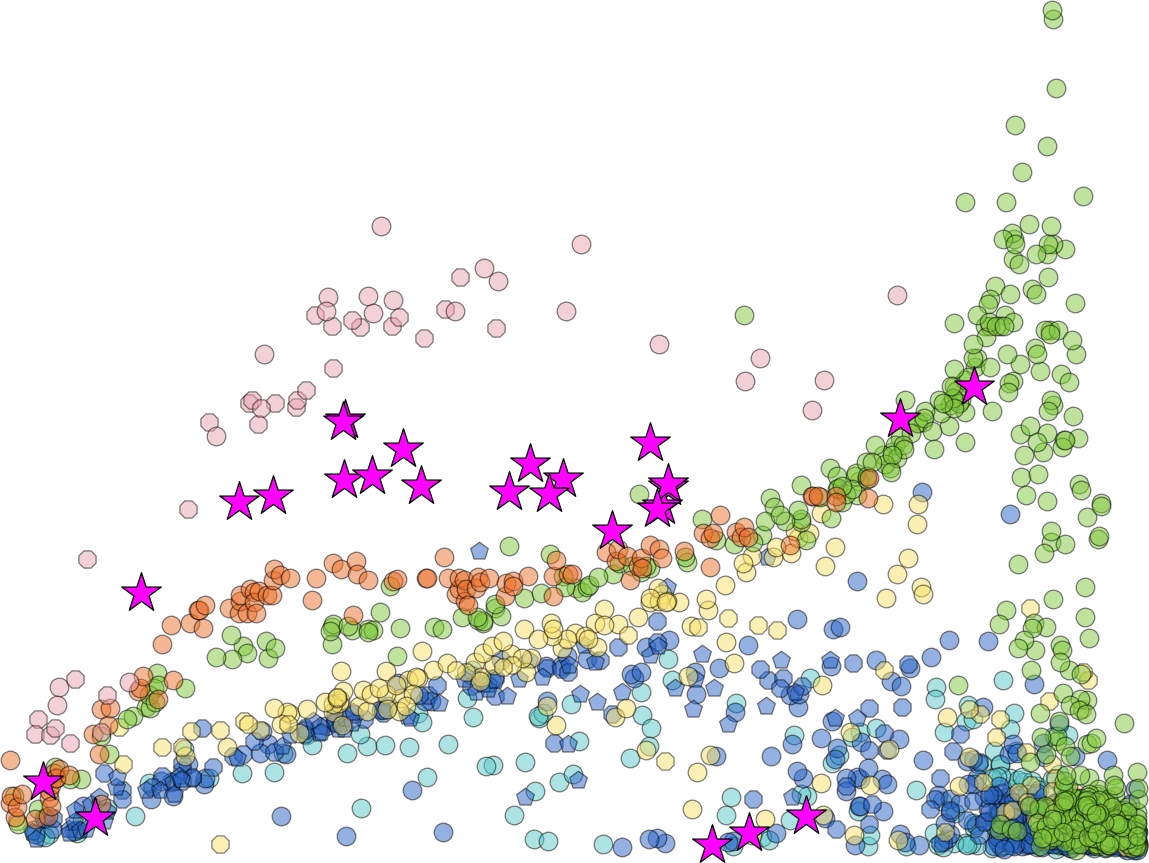
Stars are like spinning tops: they start fast and gradually slow down. This process acts like an hourglass — the slower a star spins, the older it is. Astronomers use this relationship to estimate stellar ages, but they need reference groups of stars with known ages.
The open cluster NGC 752 is such a group, with stars born together about 1.3 billion years ago. It fills a gap between the younger cluster NGC 6811 (1 billion years old) and the older NGC 6819 (2.5 billion years old). Previously, rotation speeds for the relevant stars in NGC 752 couldn't be measured, making the age–rotation calibration imprecise.
Comparing with models revealed that existing methods overestimate the ages of many stars by 20–50%. The culprit is the lack of data for intermediate ages. NGC 752 now serves as a reliable anchor for improving age estimates. This is especially important because future space missions like Gaia DR4, Roman, and PLATO will measure rotation periods for tens of millions of stars, and calibration accuracy will become the main bottleneck.
The cluster NGC 752 is visible even through binoculars in the constellation Andromeda, and it is older than Earth's mountains but younger than the oldest fossils.