Ecosystems in Nature's Rhythm express
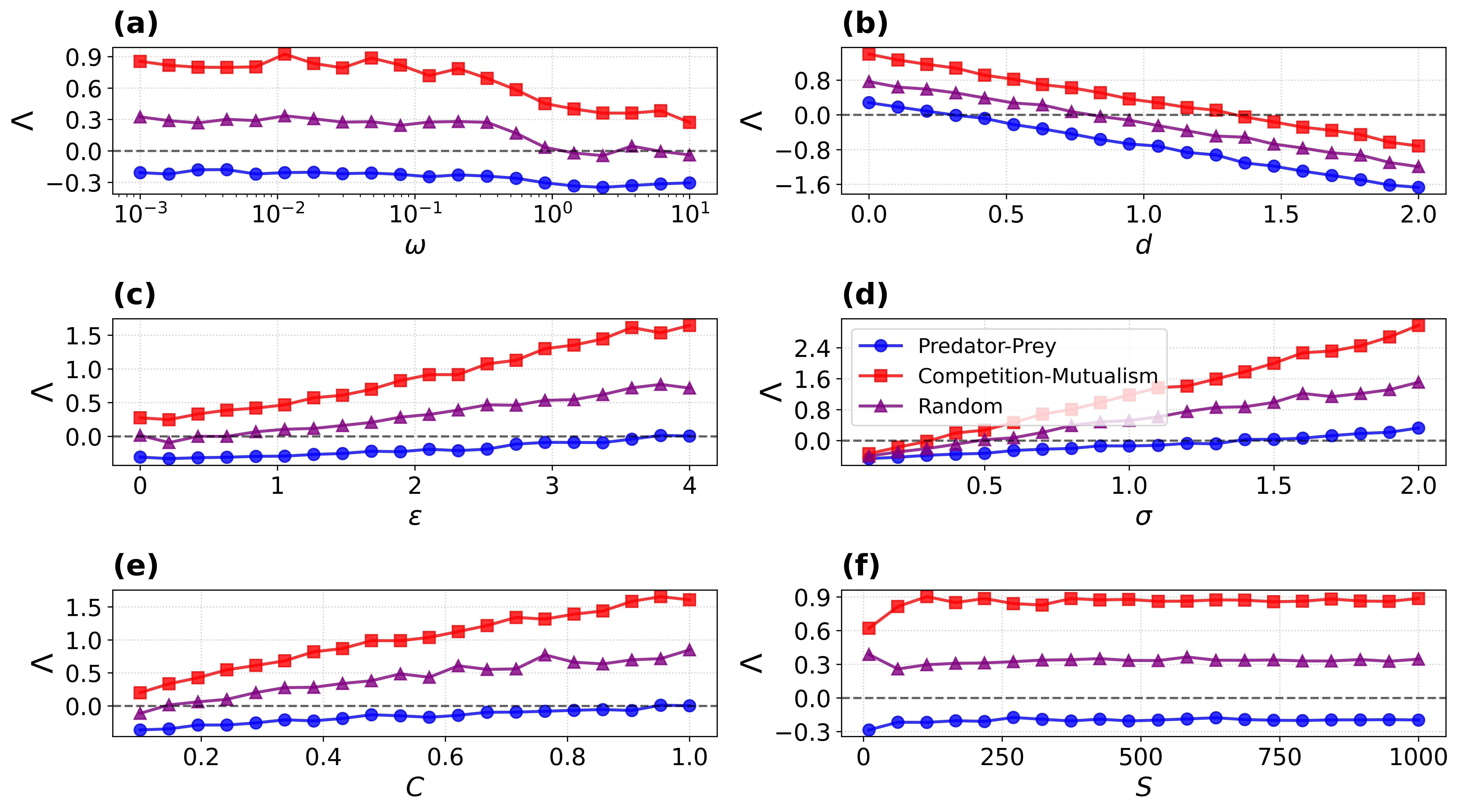
A forest does not live in a static world. Between winter and summer, day and night, conditions shift, and each fluctuation is like a rhythm that all its inhabitants must keep pace with. Yet until now, ecologists have mostly studied how communities of living beings persist in an unchanging environment, like testing a bridge's strength only in calm weather.
The authors of this new study started with a simple picture: species in an ecosystem are linked like passengers in a shared boat: each one's movements affect the others. If the environment changes slowly, the community's fate hinges on the average strength of these connections. When that outweighs internal disturbances, the boat sails smoothly. It's akin to how a slowly swaying swing doesn't knock over someone who keeps their balance.
This result matters beyond ecology. It shows that living systems can be more resilient than we thought when viewed in a real, ever-changing world. A forest that sways in the wind every day might turn out to be sturdier than one standing in stillness.
Rapid environmental fluctuations can act like a tranquilizer for an ecosystem: they prevent it from swinging to a dangerous extreme.
In Frank Herbert's novel 'Dune,' the ecosystem of the planet Arrakis is governed by strict cycles of desert and rare storms, and it is precisely these cycles that make it remarkably tenacious.