A Thread Thinner Than a Hair Holds 87 Grams
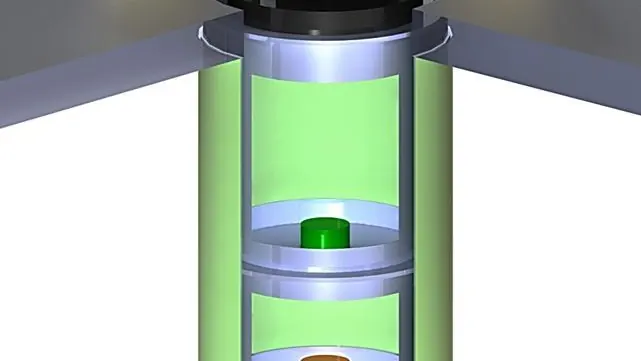
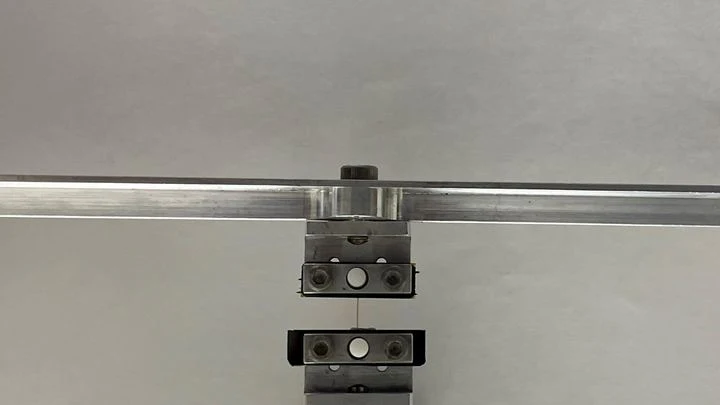
A weight about the size of a small apple hangs from a thread hundreds of times thinner than a human hair. The thread doesn't snap and barely interferes with the weight's swinging. This setup is the heart of a new lab scale for measuring gravitational attraction.