Танец света у чёрной дыры: как не смазать главный кадр экспресс
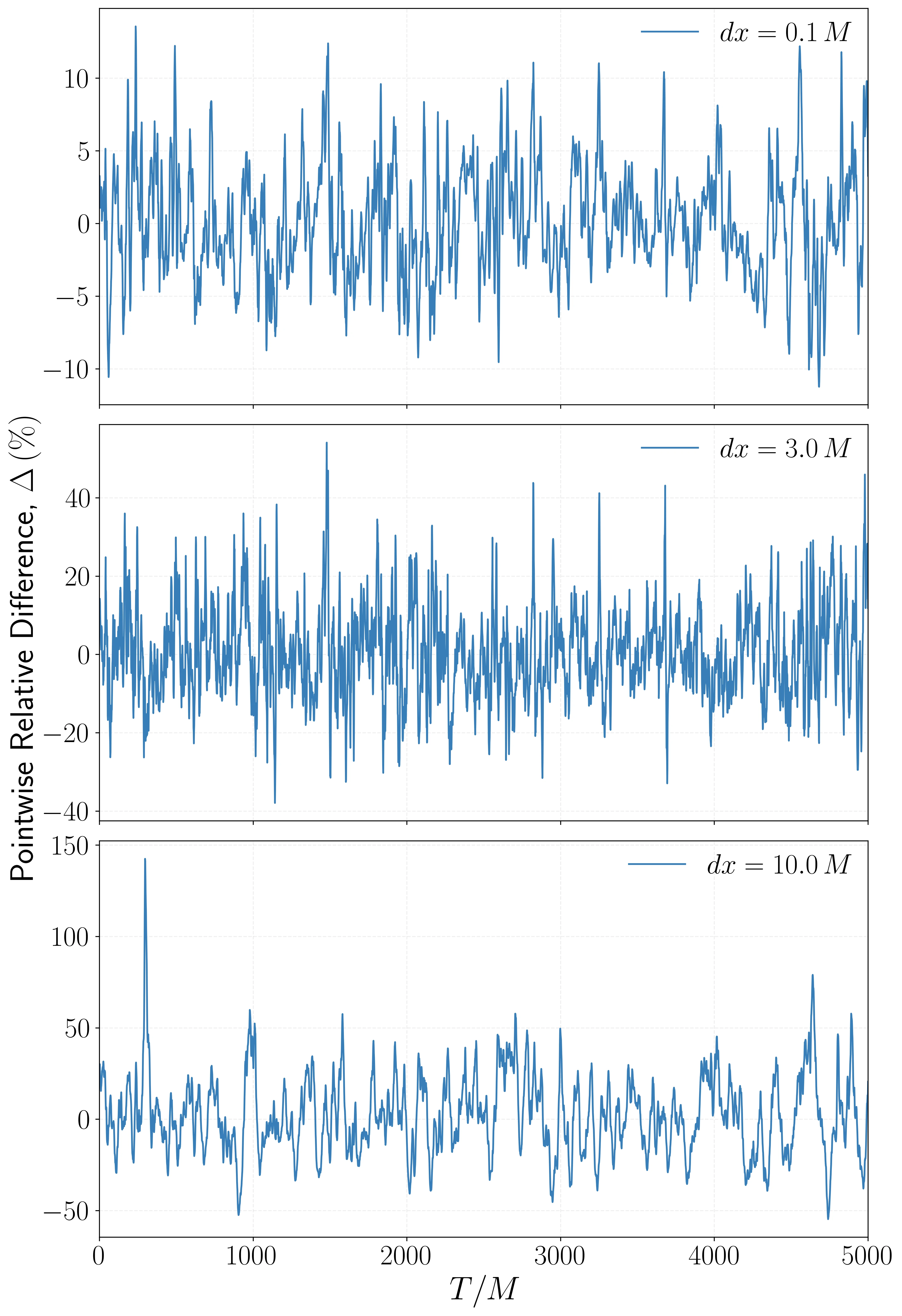
Фотографирование окрестностей чёрной дыры напоминает съёмку фонтана: короткая выдержка замораживает капли, длинная сливает всё в мутные полосы. Свет раскалённого газа, кружащего возле дыры, идёт до нас разными путями. Одни лучи огибают её по дуге, другие делают несколько витков из-за искривления пространства. В одном снимке перемешиваются события, случившиеся с разницей в часы или годы. Обычные методы: «медленный свет» — точен, но запредельно сложен в расчётах; «быстрый свет» — быстр, но игнорирует задержки и смазывает детали. Новый «бодрый свет» группирует лучи по главным временным интервалам, заданным геометрией искривлённого пространства. По сложности он как быстрый, по точности приближается к медленному. Самое неожиданное: лучи, задержавшиеся на годы, приносят в кадр прошлое. Каждое изображение чёрной дыры — коллаж из разных эпох. Будущие сети радиотелескопов должны уловить тончайшие фотонные кольца у горизонта, и без «бодрого света» даже мизерная ошибка уничтожит эту картину. Именно поэтому метод так важен: он готовит нас к прямому эфиру из бездны. Имена Джона Уилера и Кипа Торна напоминают, как долго мы шли к этому дню.
Оригинальная аннотация
как её написали авторы, на английском arXiv:2605.12659
The spatiotemporal content of a black-hole movie is set jointly by source variability and by the distribution of light-travel times across the image. In the slow-light prescription, an image evaluated at fixed observer time contains photons emitted at different source times, whereas in fast light all rays sample a single source emission time. In this work we compare these light-propagation prescriptions through the lensing-band structure of Kerr geodesic delays in a controlled semi-analytic setting. For a given emitting geometry, black-hole spin, and observer inclination, we show how the coordinate-time delay distributions of Kerr null geodesics, decomposed by image order across lensing bands, can be compared with the source correlation time to quantify differences between light-propagation prescriptions. We find that when the intrinsic variability timescale is comparable to, or shorter than, the relevant delay spread, the high-inclination mismatch between fast- and slow-light curves can reach several tens of percent. Motivated by this geometric structure, we introduce brisk light, an intermediate prescription that compresses each lensing-band delay map to its dominant temporal interval rather than collapsing the full image to a single source time. The proposed methodology provides both a practical criterion for when slow light matters and an efficient route to black-hole movies that retain the leading temporal imprint of strong lensing, a regime of direct relevance for future space-based VLBI targeting photon-ring observables.
Лучи, задержавшиеся на годы, приносят в кадр прошлое. Поэтому каждое изображение чёрной дыры — временной коллаж.
Фильм «Интерстеллар» с участием Кипа Торна показал искажения света у чёрной дыры. Теперь метод «бодрый свет» готовит реальные съёмки.