A Map in the Mind: How the Brain Transfers Experience express
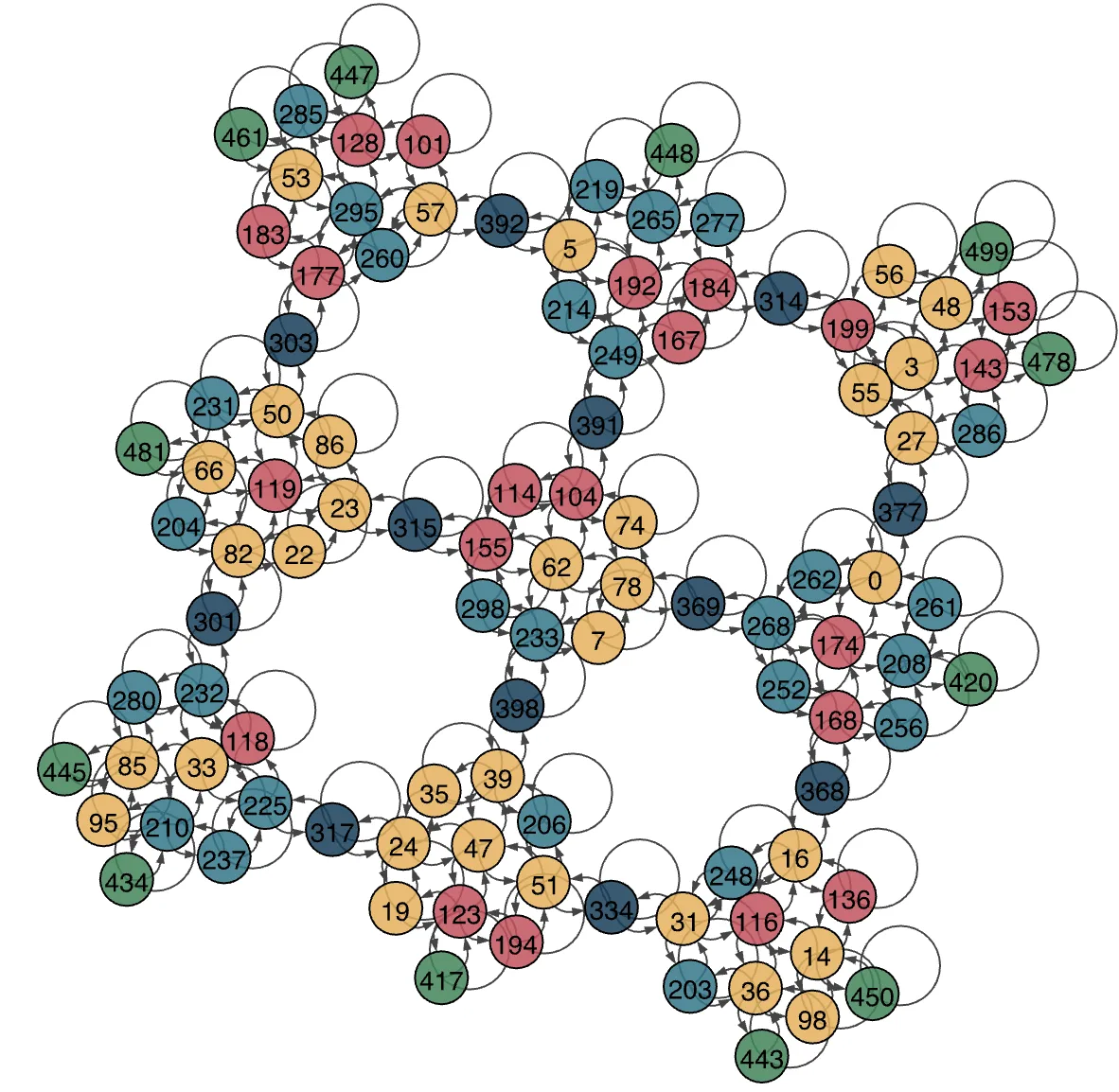
When moving to a new apartment, a person doesn't relearn how to open doors or turn on lights. Experience from the old home transfers automatically: a kitchen is a place with a stove and a sink, a bedroom is a place with a bed. The brain doesn't store an exact map but a flexible schema that it overlays onto unfamiliar space.
Scientists have built a computer model of this transfer. It has two levels. The upper level is the abstract task: find food, remember a safe corner. The lower level is a specific room with walls and turns. Between the levels works a translator: it links the goal "find food" with a point on the map.
When the model enters a new room, it doesn't panic. It applies the old schema: if food was in the northwest corner before, it looks there. If the corner is empty, it quickly relearns. Similarly, a person in a new apartment first goes to the place where the light switch was in the old one.
The upper level of the model turned out to resemble the prefrontal cortex: there are cells that respond to progress toward the goal regardless of the specific place. The lower level resembles the hippocampus: there are place cells, like those in rats in a maze. The model combined the two levels, offering a new perspective on how the brain transfers experience.
Rats have cells that fire when the animal approaches a goal — even if the goal itself is at the other end of the maze. These "progress cells" were also found in the model.
In the movie Inception, architects build dreams using general schemas that the dreamer fills with details, just as the brain overlays a familiar schema onto a new place.