Proteins Without Stuttering express
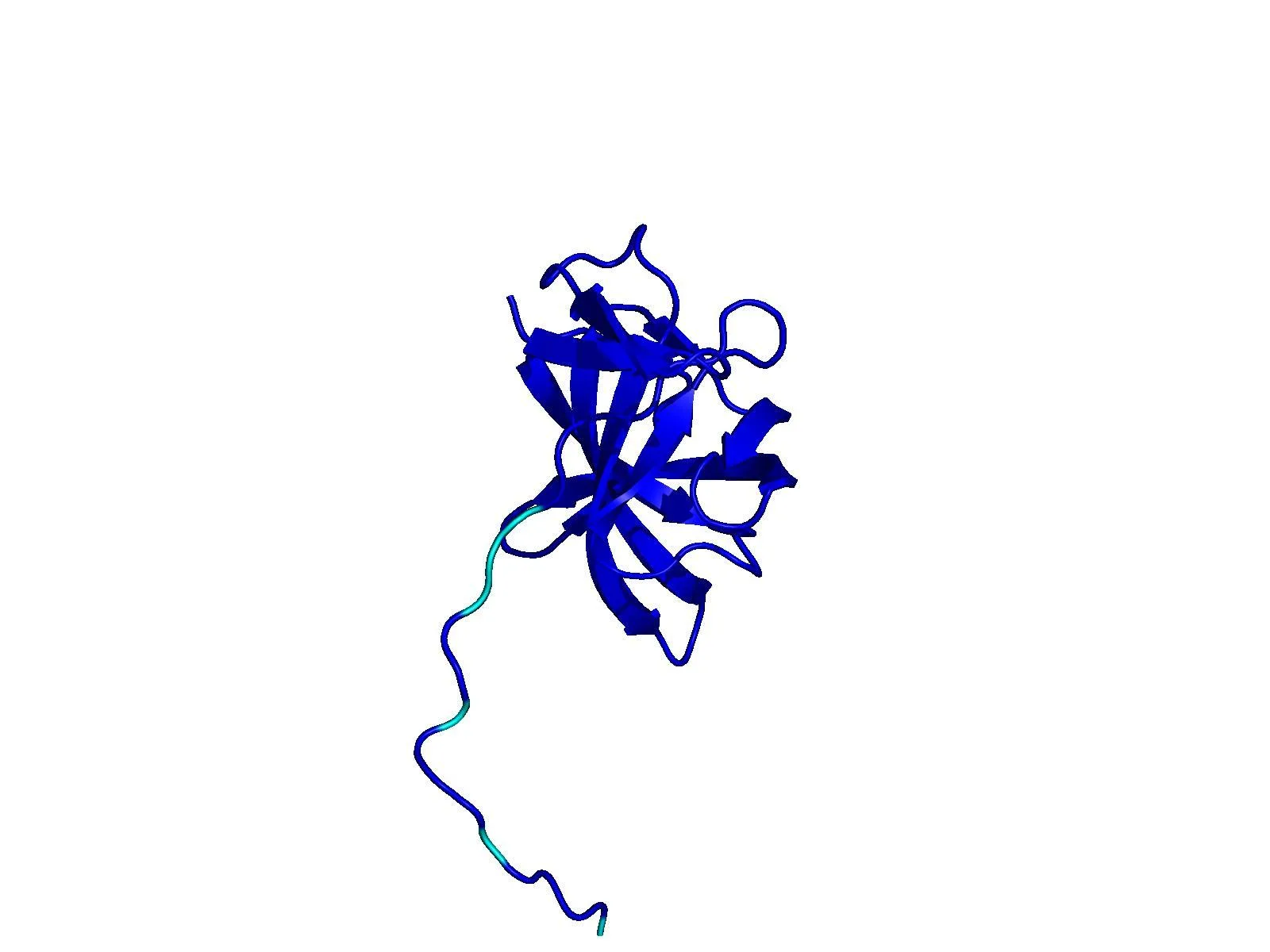
A protein language model is like a chef who learned from thousands of recipes and now invents new dishes. Sometimes he gets carried away and salts every dish because one good cookbook used a lot of salt. In proteins, such repetition isn't just ugly: identical stretches in the chain make the protein fragile, it can't fold into the right shape, and it doesn't work.
Scientists noticed this problem in two popular models — ESM-3 and ProtGPT2. They came up with a way to nudge the model to avoid repeats without ruining the protein itself. To do this, they collected pairs of examples: one protein with repeats, one without, but both fold equally well. The only difference is repetitiveness, and the model learns to spot exactly that.
The method is called UCCS — Unsupervised Contrastive Control. It doesn't retrain the model but adds a special "vector"—a direction that steers generation away from repeats. In tests on protein databases CATH, UniRef50, and SCOP, the new approach reduced repeats noticeably better than generation penalties, while maintaining AlphaFold's high confidence in the correct structure.
Now scientists have a tool that makes protein generation more reliable. It's a step toward designing new proteins for drugs and materials without the fear of getting a useless mess of repeats.
Proteins with long repeats of the same element are often linked to diseases — for example, repeated regions in some proteins cause neurodegenerative disorders.
In Kurt Vonnegut's story "Ice-9," an unusual form of ice makes all water crystallize — similarly, a repeating protein could trigger a chain reaction of misfolding.