Protein and Drug: How to Speed Up the Search 26-Fold express
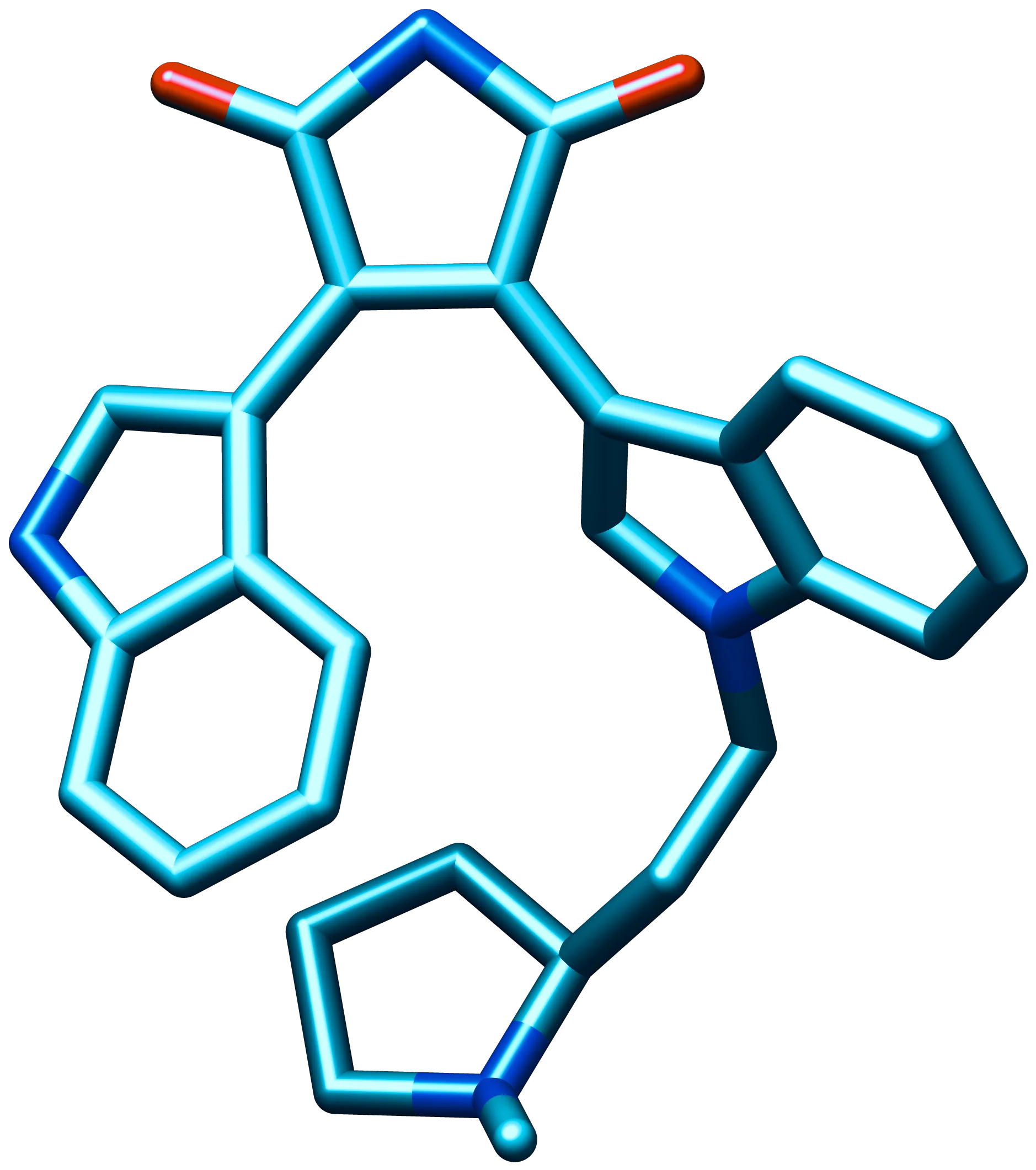
Searching for a new drug is like matching a key to a lock. The protein in a cell is the lock, and the candidate molecule is the key. You need to know whether the key fits and how snugly it sits. Previously, the computer would examine every atom in the lock and the key to check this. A single lock could take hours or even days. Checking millions of keys was out of the question.
TerraBind changes the approach. Instead of all atoms, it looks only at anchor points: for the protein, at alpha carbons (like the stiffening ribs in a frame), and for the molecule, at heavy atoms (excluding hydrogen). This coarse "skeleton" preserves the shape but drastically cuts the computational load. As a result, speed increases 26-fold, and accuracy is even slightly better—20 percent higher than previous leaders.
Fast and accurate binding affinity assessment is key in drug selection. Now, for the same money and time, you can screen many more compounds. The program also reports how confident it is in its prediction. This helps avoid wasting resources on dubious candidates and find truly effective molecules faster.
TerraBind uses only 4 anchor points per amino acid of the protein instead of 10–20 atoms, like an artist drawing a portrait with just the eyes and nose, yet capturing the whole face.