Tiny Satellite Learns to Navigate by Pulsars express
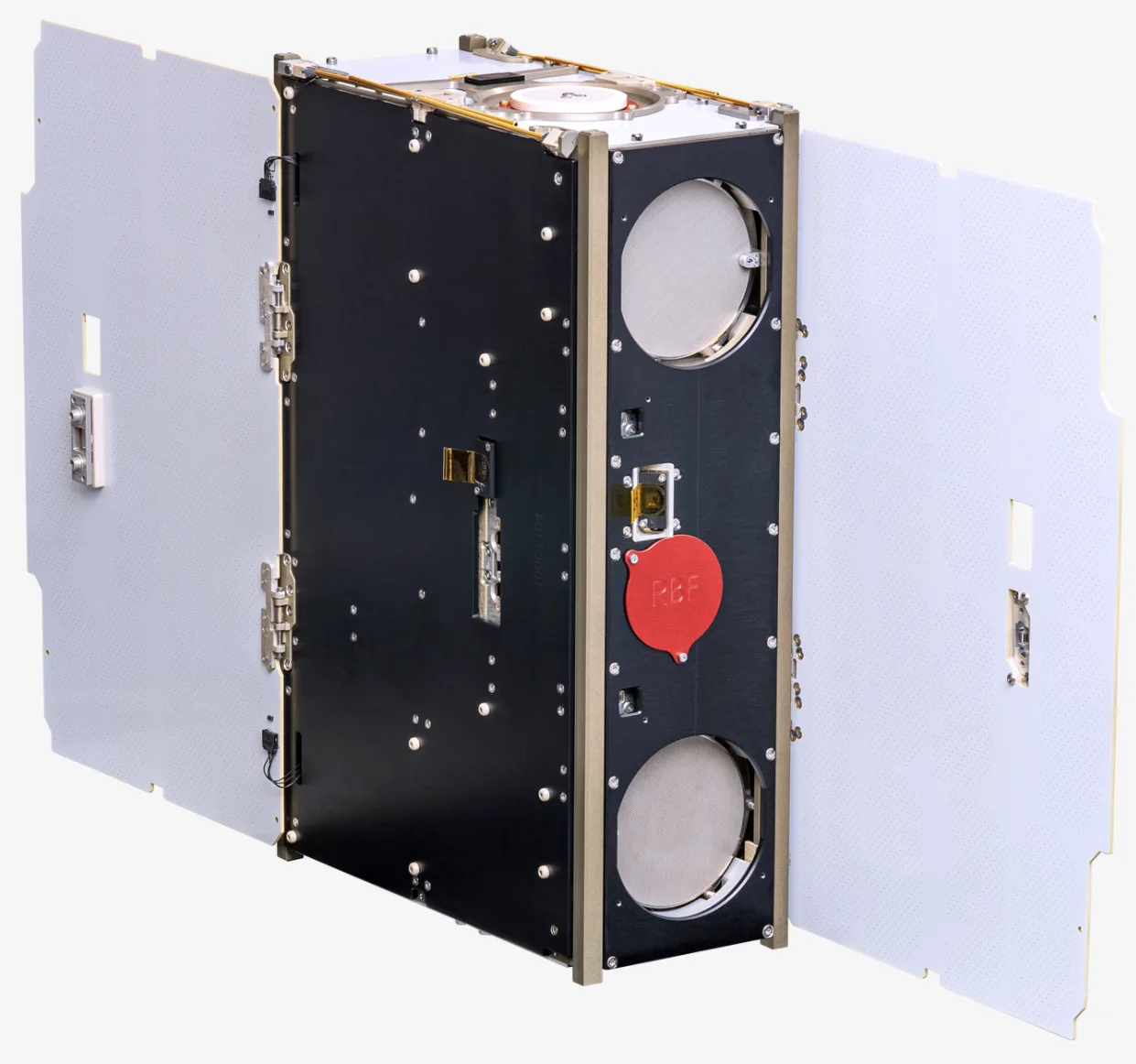
The Crab Nebula flickers with X-ray flashes thirty times per second. That's the beat of a pulsar — a dead star that spins and sends us pulses like a lighthouse. Japan's NinjaSat, a satellite the size of a shoebox, caught these flashes to figure out where it was.
Pulsar navigation is a bit like the old sailor trick of finding longitude by the stars. But instead of stars, you use X-ray pulses, and instead of a sextant, you have two gas counters that register photons with energies up to 50 kiloelectronvolts. The satellite observed the pulsar several times at different times of the year, each time for a few hours. Then the data were sent to Earth and compared with its precise position from satellite navigation.
It turned out that along the direction toward the pulsar, the satellite could determine its position with an error of no more than forty kilometers. In three dimensions, the error ranged from twenty-seven to three hundred seventy kilometers — depending on the angle at which the satellite's orbital plane was tilted relative to the pulsar at the time of observation. In summer the geometry is better, in winter worse — a bit like solar panels on a roof.
This proved for the first time that even a tiny satellite can navigate by pulsars. In the future, such beacons could help spacecraft travel into deep space, where signals from conventional navigation are too weak.
The pulsar in the Crab Nebula spins 30 times per second — faster than the blades of a kitchen blender.
In the series Star Trek, starships use pulsars as galactic beacons — now that's becoming a reality even for small satellites.