Heart and Lungs: A Dance That Saves Energy express
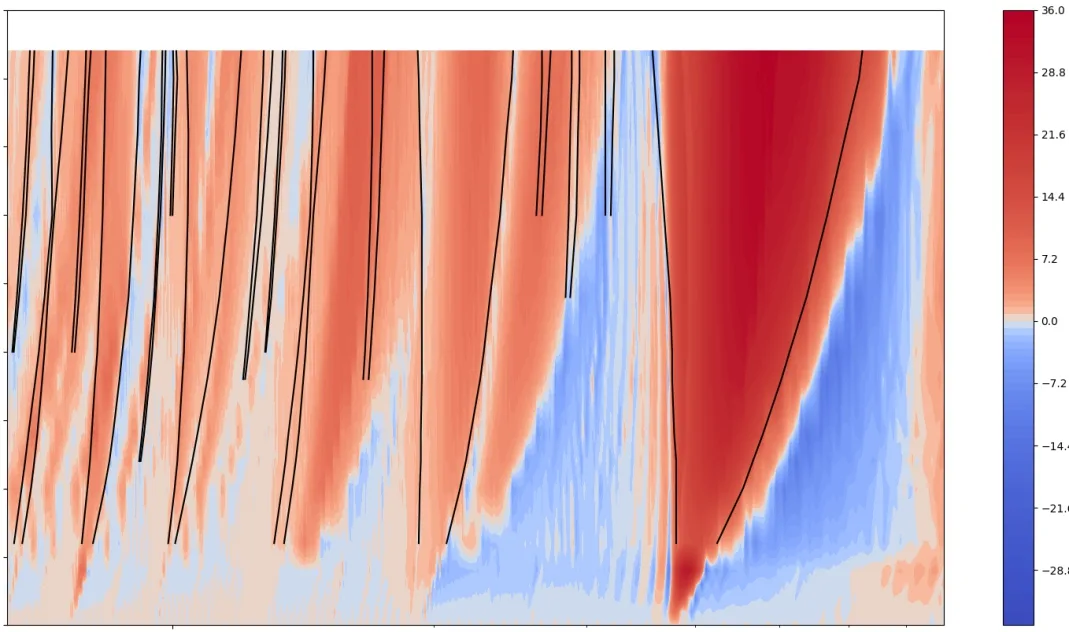
Each breath slightly speeds up the heart, and each exhale slows it down. This rhythm, visible on an ECG, is called respiratory sinus arrhythmia. For a long time, it was dismissed as a mere side effect of the nervous system. But new research shows that this coordination is not a coincidence: it's a way to save energy.
The heart pushes blood through the lung vessels, which stretch on inhale and compress on exhale. If the rhythms are out of sync, the heart has to work against resistance, like a swimmer battling waves. When heartbeats fall in step with breathing, resistance drops. Calculations show that in humans, energy loss decreases by 10%, and in some species, by more than half.
The idea was tested on patients with pacemakers, which artificially restored the link between breathing and heartbeat. The results matched the model's predictions: synchronization indeed improves blood pumping. In the future, doctors might use this principle to treat heart failure.
In newborns, respiratory sinus arrhythmia is especially pronounced: their cardiovascular system is still learning to save energy.