Supernova Exhaled Carbon Monoxide ⚡ экспресс
Original: "Near-Infrared and Optical Observations of SN 2024rbc: The First Early Detection of CO and Dust in a Type Ib Supernova"
For the first time, the glow of carbon monoxide was seen in the debris of a star that shed its hydrogen.
Links in the knowledge graph 1
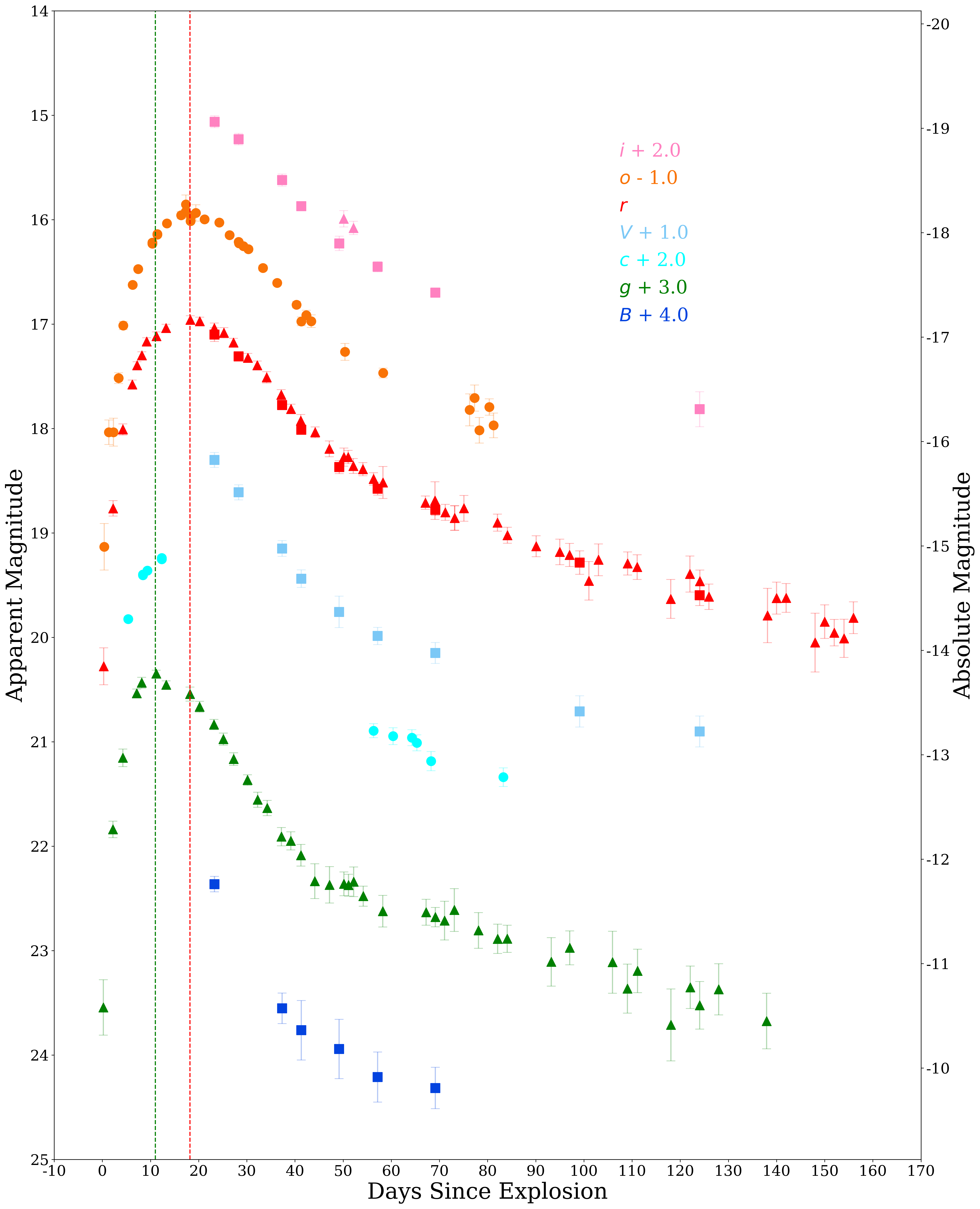
In the debris of supernova 2024rbc, which died without its hydrogen shroud, telescopes caught the faint glow of CO. It’s as if the star exhaled carbon monoxide in its final moments. These molecules will help us understand where the Universe’s dust comes from.
🎯 The amount of carbon monoxide in SN 2024rbc is so vast that its mass exceeds the weight of Earth's entire atmosphere by billions of times. Yet compared to the star's mass, it's just a trace impurity.
🎬 The phrase 'we are all made of stardust' is not just a metaphor. In the movie 'Interstellar,' this idea resonates with particular poignancy.