Carbon nanotubes with calcium trap hydrogen express
Hydrogen is an ideal fuel: when used, it only produces water, not carbon dioxide. The trouble is that hydrogen is the lightest gas, its molecules leak out of any container. Right now, cars store hydrogen in heavy tanks under extreme pressure, canceling out weight benefits.
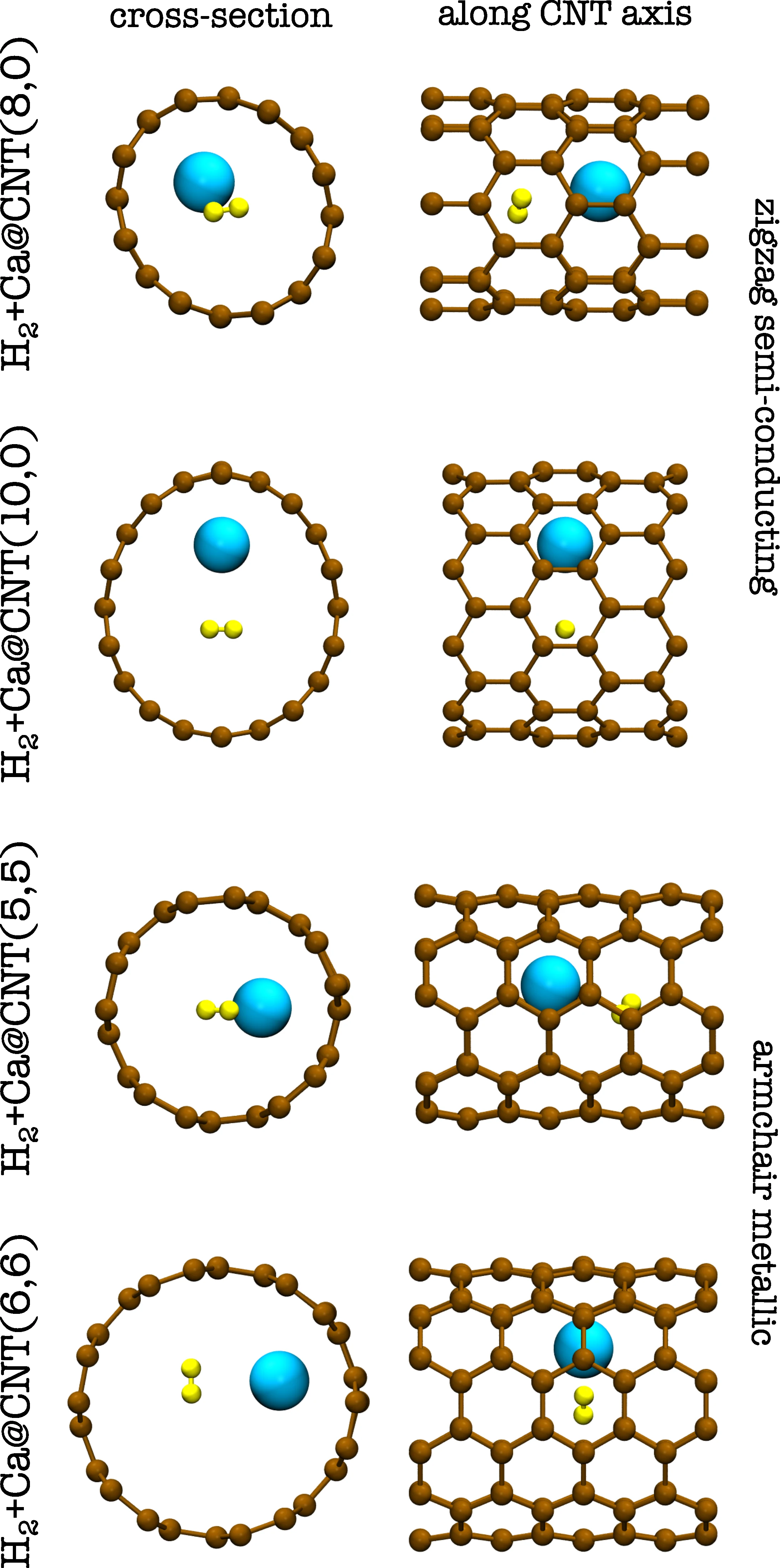
Researchers bypassed the problem without high pressure. They took carbon nanotubes (hollow cylinders just an atom thick, like a rolled-up mesh) and tucked calcium atoms inside. Calcium, the very metal our bones are made of, turned out to be the perfect 'Velcro': hydrogen sticks to it just enough to stay put, yet releases easily when needed.
This principle provides clear material design targets. If engineers can mass-produce these nanostructures, hydrogen cars will become truly lightweight and long-range.
Hydrogen is the most abundant element in the universe, but on Earth it's almost never found in pure form, so we have to extract it from water or hydrocarbons.