Secrets of the Lunar Garden: How Meteorites Mix Cosmic Dust express
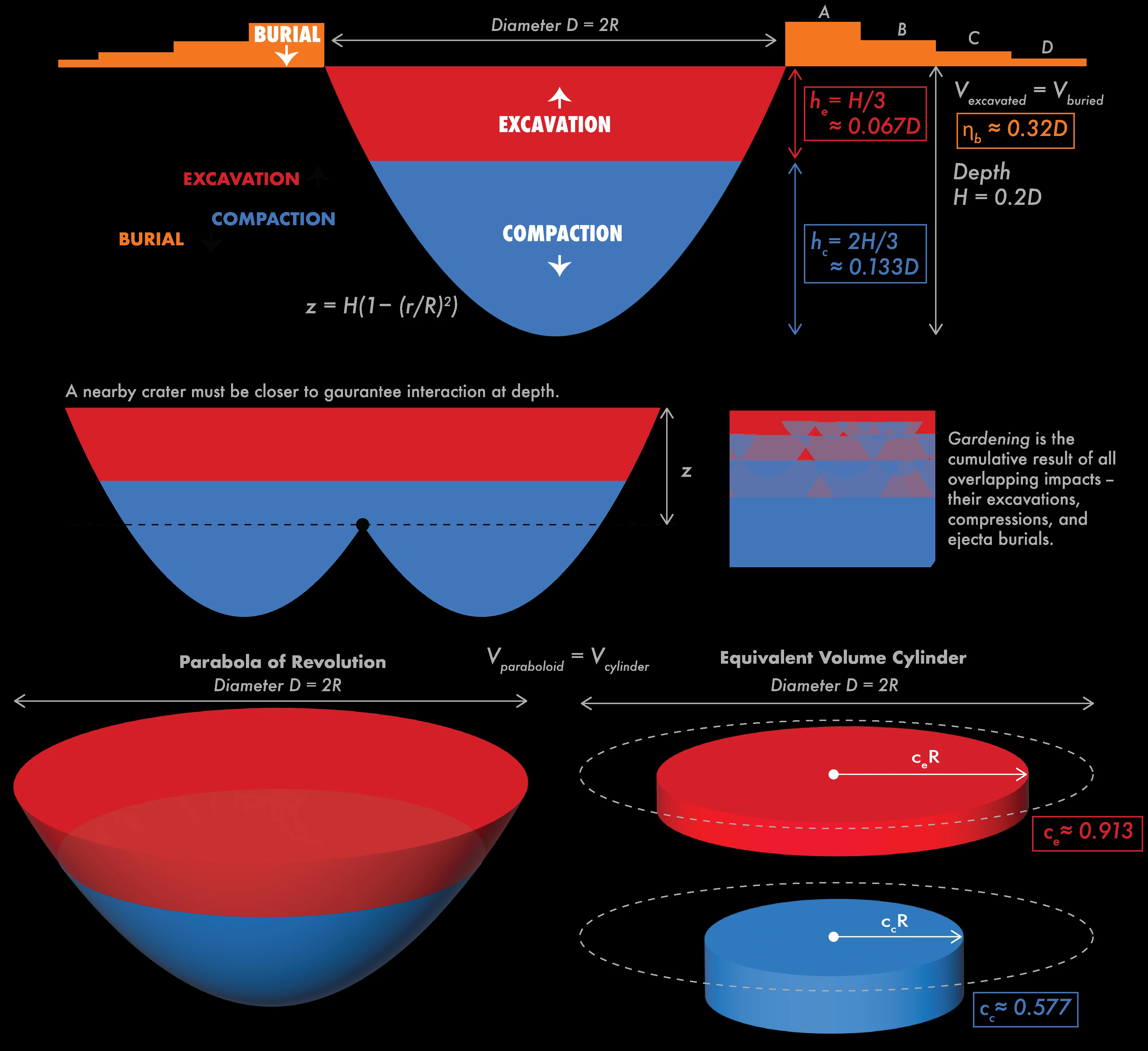
Lunar soil is a garden that meteorite impacts constantly dig over. Instead of a shovel, asteroids shake up the surface, scattering cosmic dust and bringing deep layers to the top. This cosmic “tending of the bed” goes on for millions of years, creating a uniform layer.
A new computer model has, for the first time, combined two effects of impacts: the transport and mixing of particles. Testing it with data from the Apollo missions, researchers saw how the content of iron-60—alien atoms that came from supernova explosions (studied by Zwicky)—changes with depth. It turned out that stardust is distributed evenly, without mixing with local iron. The lunar garden works so thoroughly that the soil in different spots on the planet is identical, as if it’s constantly sifted through a giant sieve. Now the model predicts where to look for traces of even rarer events — for example, plutonium-244, born in the merger of neutron stars.
The mixed layer reaches several meters, as if a gardener dug a bed to the depth of a three-story building.
Arthur C. Clarke, in *A Fall of Moondust*, described mining rare resources on the Moon. Perhaps in the future, we’ll go there for traces of supernovae and other cosmic catastrophes.