Porous implant with drug: how blood flow controls the dosage express
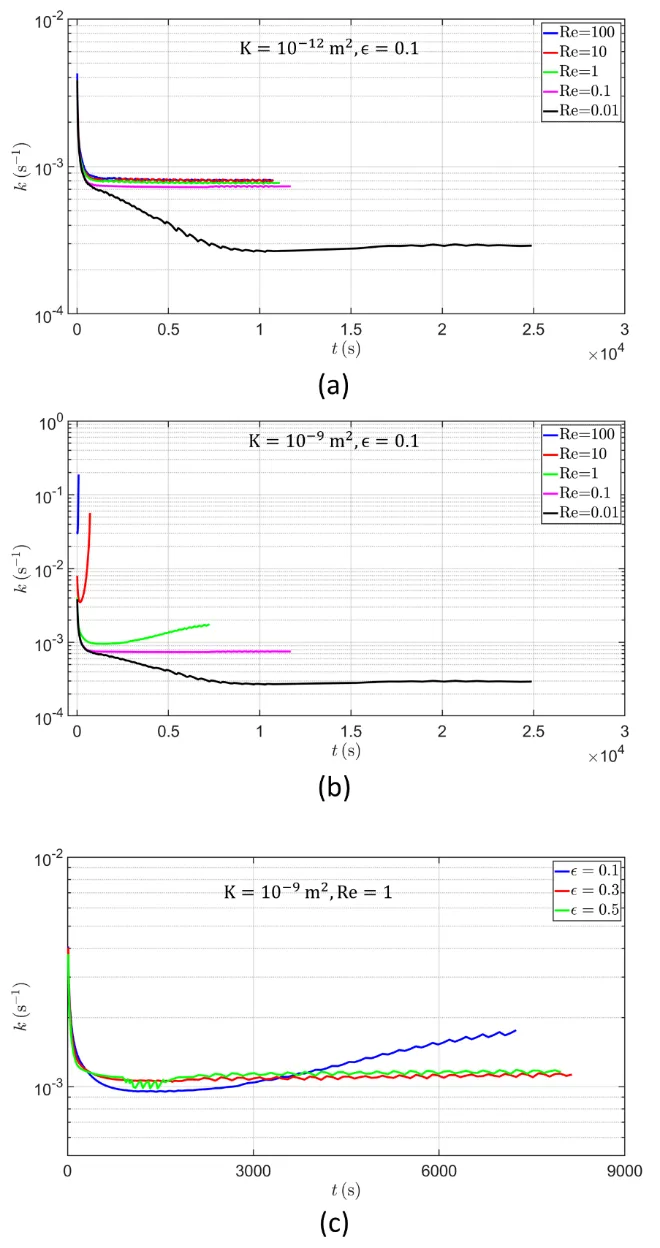
A porous implant filled with a drug works like a sponge that slowly releases the substance into the surrounding fluid. But if the fluid flows quickly, it washes out the drug differently than in a calm environment. The authors computed on a computer how different flow rates and properties of the porous structure affect drug release.
It turned out that at high flow rates (large Reynolds numbers), the drug release rate may not decrease but increase toward the end of the implant's operation. This is unusual: typically, the drug is released quickly at first and then more and more slowly. This effect allows the drug delivery to be stretched out and tailored to the body's needs.
The Reynolds number is the ratio of inertial forces to viscous forces in a flow. For water in a pipe, it determines whether the flow is laminar or turbulent.