Water Exchange in Tumors: What MRI Can Reveal express
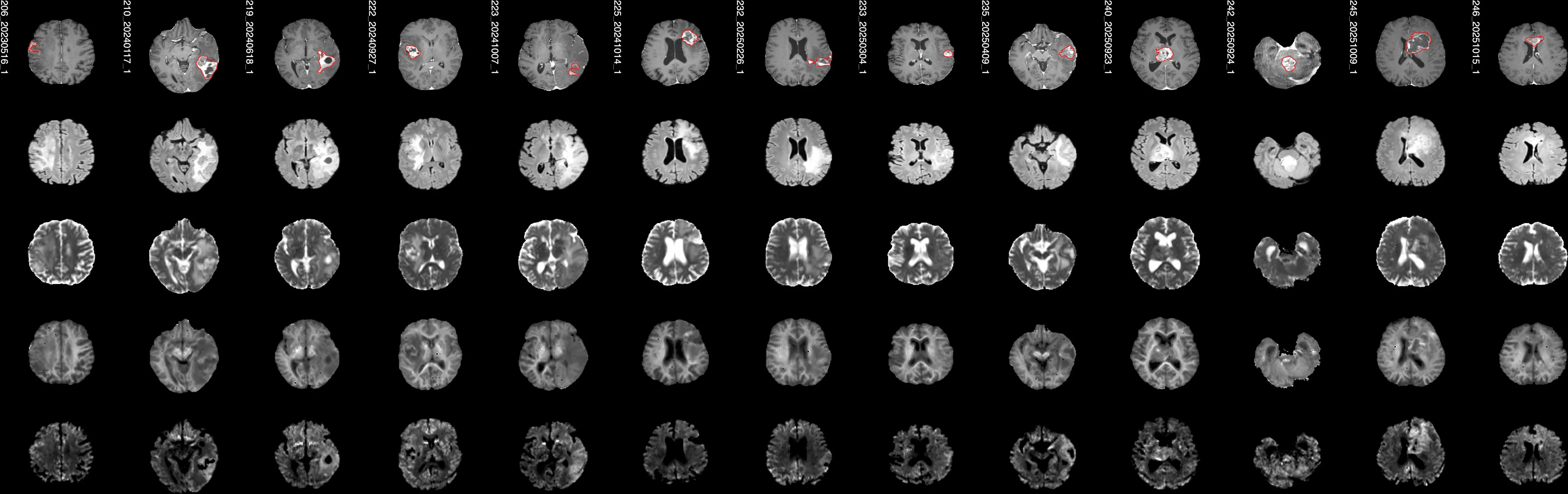
Imagine a water park with many pools connected by narrow passages. Visitors, water molecules, splash around in each pool, but occasionally move to the next one. In a brain tumor, these "passages" are protein channels in cell membranes. Their abundance determines how quickly water moves between cells.
Standard MRI only sees water accumulation, not its movement. A new approach called Restriction-Exchange uses cleverly tuned magnetic fields (gradients). It's like changing the width of the passages in the water park and watching how much faster or slower the visitors flow through. This allowed, for the first time, direct measurement of water exchange rates in gliomas, without confusing it with simple mixing within a single "pool."
In the edema zone around the tumor, exchange was also slightly accelerated. This hints at possible tumor cell infiltration or membrane disruption. Such a water exchange map could become a new tool for assessing glioma aggressiveness. It would aid in planning surgery or radiation therapy and even in tracking treatment response. And then, returning to the water park analogy, a doctor could see where the passages between pools have become too wide and the movement of visitors suspiciously lively.
Aquaporin-4 is the most abundant water channel in the brain, and its levels surge in fast-growing gliomas, helping cells change volume and migrate.