Why We're Different in the Morning and Evening express
Every morning you pick up the same mug, but the coffee tastes either bitter or just right. It's not about the coffee, and not about your character. Inside us, an invisible panel with dozens of sliders is constantly shifting: fatigue, hunger, anxiety, hormone levels. At different times of day, they sit at different positions, and the same signal from the outside world produces a completely different outcome.
The authors of the study call this panel a state — a snapshot of how the body, brain, and biology process the next event. It's not a personality trait but rather the weather inside: clouds roll in and out, changing the lighting of the same landscape. A decision is not predetermined by past experience: it is born here and now, when an external push meets the momentary settings of all the body's systems.
The most interesting part: consciousness is just a narrow slit through which we see our own state. We notice only what falls into the focus of attention, and the focus itself also depends on the slider positions. That's why we can influence a choice not through lengthy persuasion but with a brief intervention at the right moment, like adjusting the settings before taking a photo.
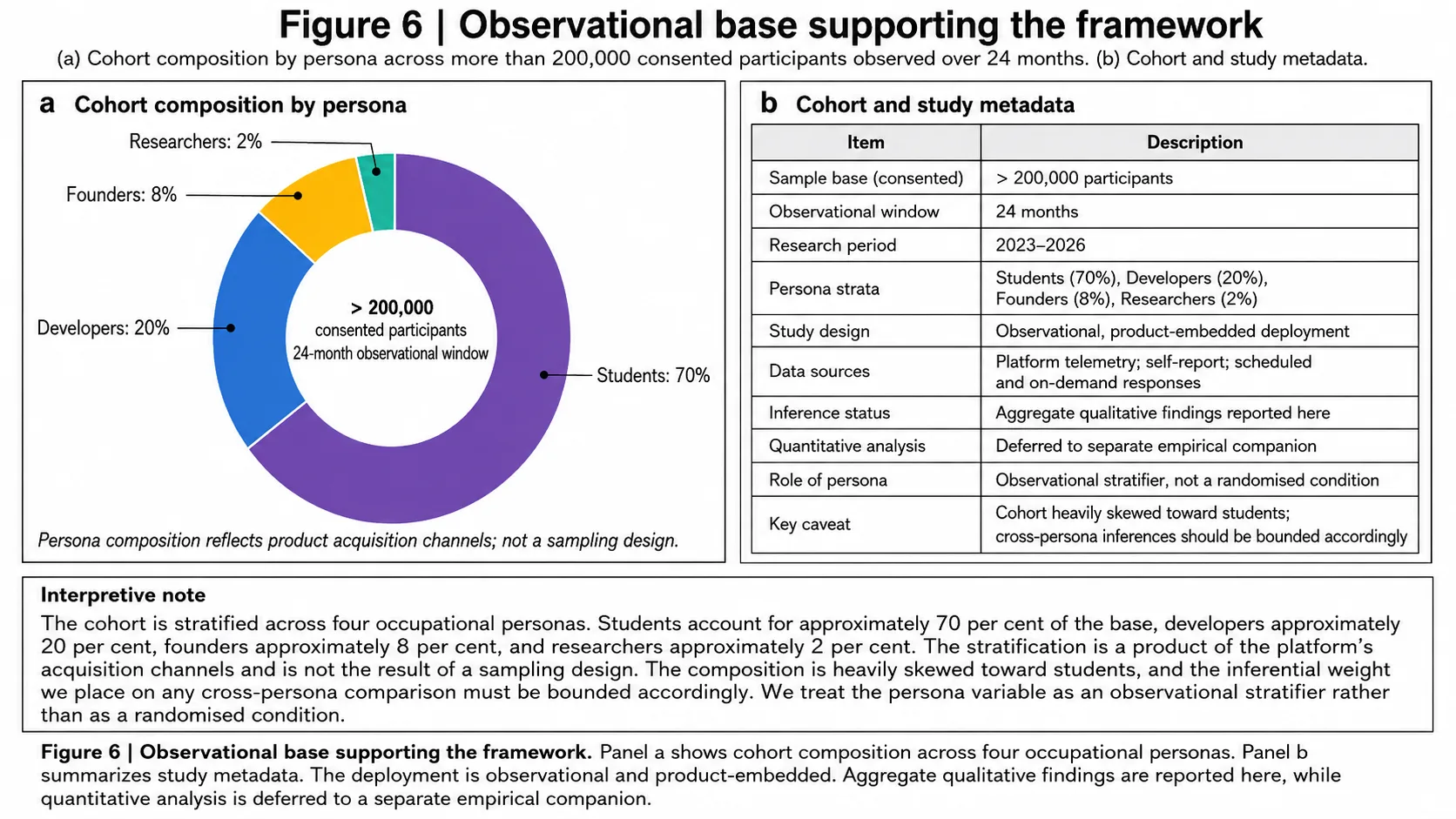
The researchers tested this idea on data from hundreds of thousands of people and derived seven testable predictions. If we learn to catch the moment when the sliders are in a favorable position, we can help people make decisions in medicine, education, or even in an ordinary phone app. Morning coffee will taste good again, but now we'll know it's not about the coffee, but about ourselves.
Over the course of a day, our internal 'sliders'—cortisol levels, body temperature, gene activity — change with an amplitude comparable to the difference between different people.