How a Comet Sneezes Dust express
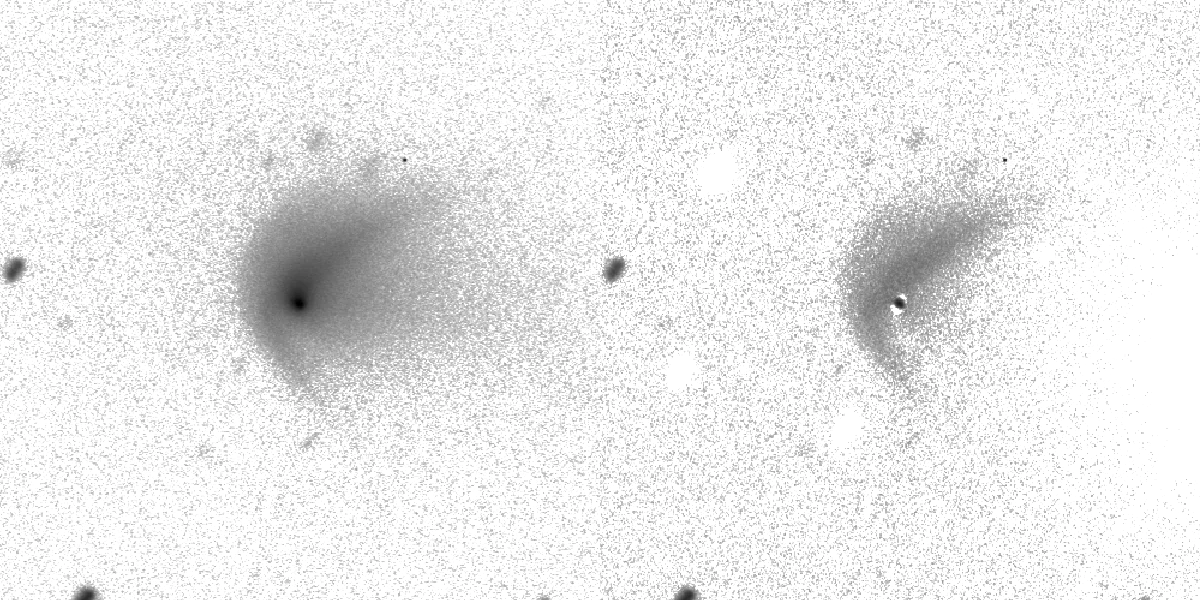
In the summer of 2021, comet 7P/Pons-Winnecke put on quite a show. A network of telescopes, the Las Cumbres Observatory, tracked it for nearly three months and counted eight sudden outbursts. Each outburst is like a lid popping off the surface: a cloud of dust and gas blasts into space, and the comet briefly brightens.
The strength of these outbursts varied — from barely noticeable to ones that immediately caught the eye. The mass of ejected material each time ranged from 100,000 to 1,000,000 kilograms. That's roughly equivalent to a hundred cars turned into dust in an instant. The shapes of the ejecta also differed, hinting that the comet 'sneezed' from different parts of its surface.
When scientists compared the outburst frequency of 7P with other comets, they got a surprise. After accounting for nucleus size, this comet behaved similarly to 41P, 9P, and 46P — about one outburst per unit area over a given time. But with comet 67P, which the Rosetta probe studied in detail, there was a discrepancy. Ground-based telescopes saw ten times fewer outbursts than the spacecraft, which was right next to it. This means we simply miss many small events from Earth, and the true lives of comets are much more turbulent.
Comet outbursts can be so faint that they are only noticed when comparing images taken minutes apart, like looking for a missing sock in a pile of similar ones.
In Arthur C. Clarke's novel 'Rendezvous with Rama,' humans investigate an object that suddenly begins to show activity — what's that if not a giant comet outburst?