Plasma in a Trap: How Copper Blows a Bubble in Helium express
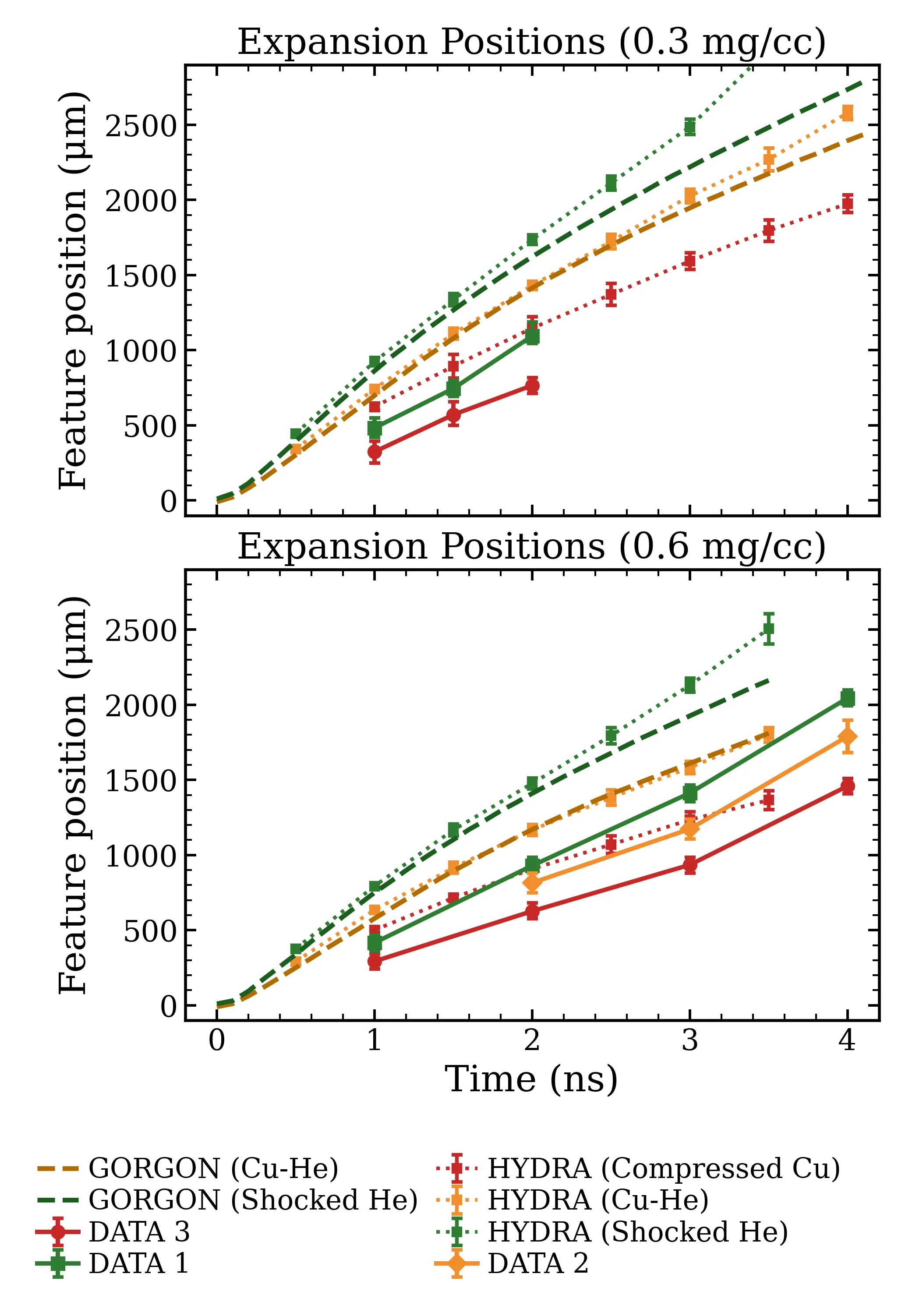
A copper plate the size of a coin vaporizes under the laser's strike in billionths of a second. The hot copper cloud slams into cold helium like a jet of steam into frosty air. The images show a distinct bubble with thin filaments at the edges — the plasma doesn't expand uniformly but breaks into fibers as thin as a human hair.
Plasma is a gas in which electrons are stripped from atoms. It conducts electricity and responds to magnetic fields. In the experiment, the copper bubble pushes against the helium, and vortices form at the boundary. Proton radiography revealed magnetic fields inside the bubble that are invisible to ordinary cameras.
Such bubbles occur inside fusion targets, where the chamber walls vaporize and hinder fuel compression. Understanding how plasma expands into gas will help fine-tune lasers for future power plants.
The temperature of the copper plasma in the experiment reached hundreds of thousands of degrees — tens of times hotter than the Sun's surface.