The Lost Child in the Phoenix Stellar Family ✛
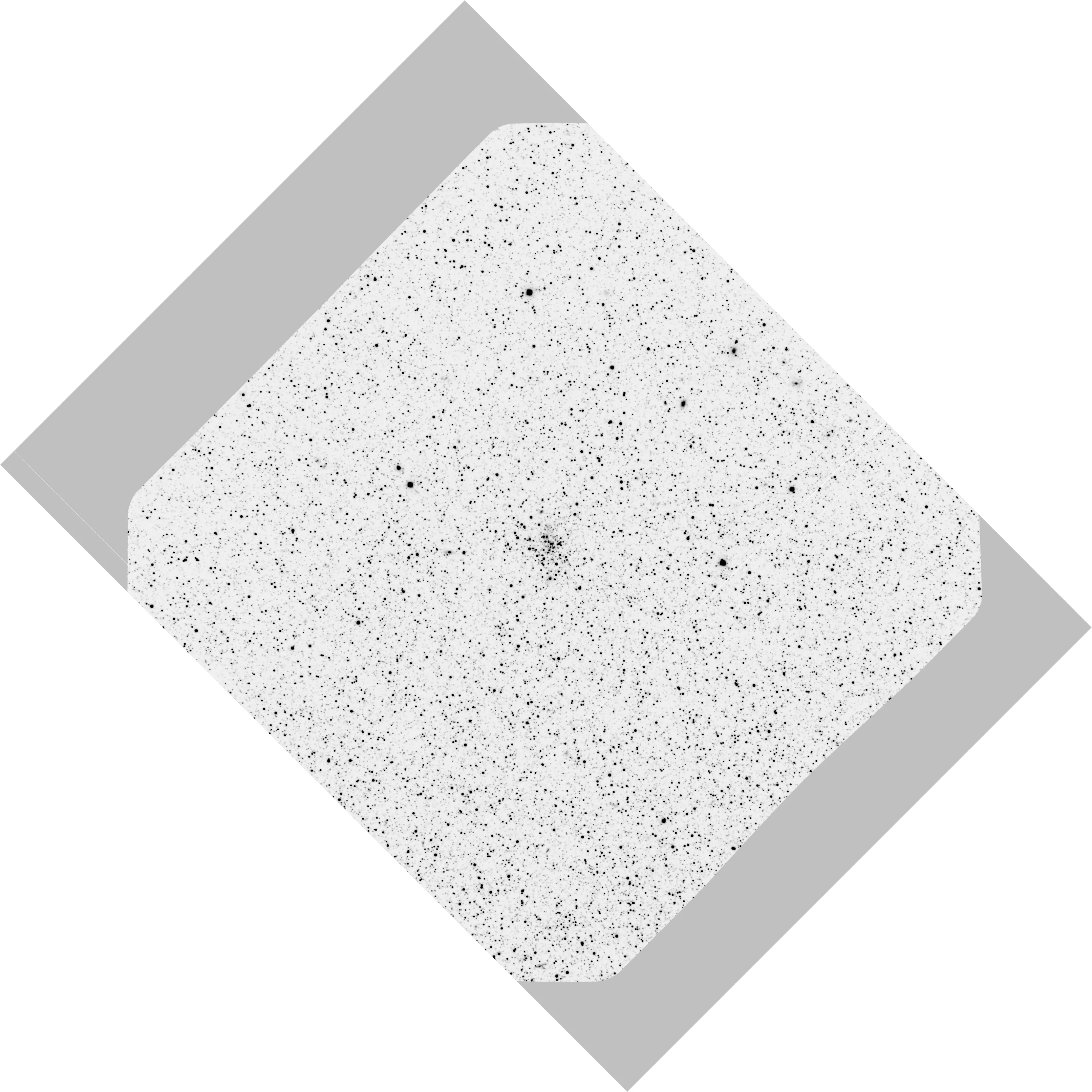
In the stellar family of the Phoenix galaxy, there are five old globular clusters, and the sixth child was long considered a foundling. The object Fornax 6 looked like a random grouping of stars, not a true family. Astronomers debated whether it had the right to be called a cluster.
New work measured the velocities and chemical composition of stars in this object. It turned out that 43 stars move together, like members of one family. Their age is about 3 billion years, which is much younger than the other Phoenix clusters. Moreover, these stars contain more heavy elements than the old clusters. This means Fornax 6 is indeed a cluster, but unusually young and metal-rich.
Why does this matter? Previously, it was thought that all clusters in dwarf galaxies are very old and metal-poor. Fornax 6 shows that young clusters can also form in such galaxies. This will help us better understand how stellar families form in small galaxies.
Fornax 6 was first noted by Harlow Shapley in 1939 as a "very faint cluster," but was then largely forgotten, being dismissed as a random grouping of stars.