Как водоворот в чашке становится бомбой чёрной дыры экспресс
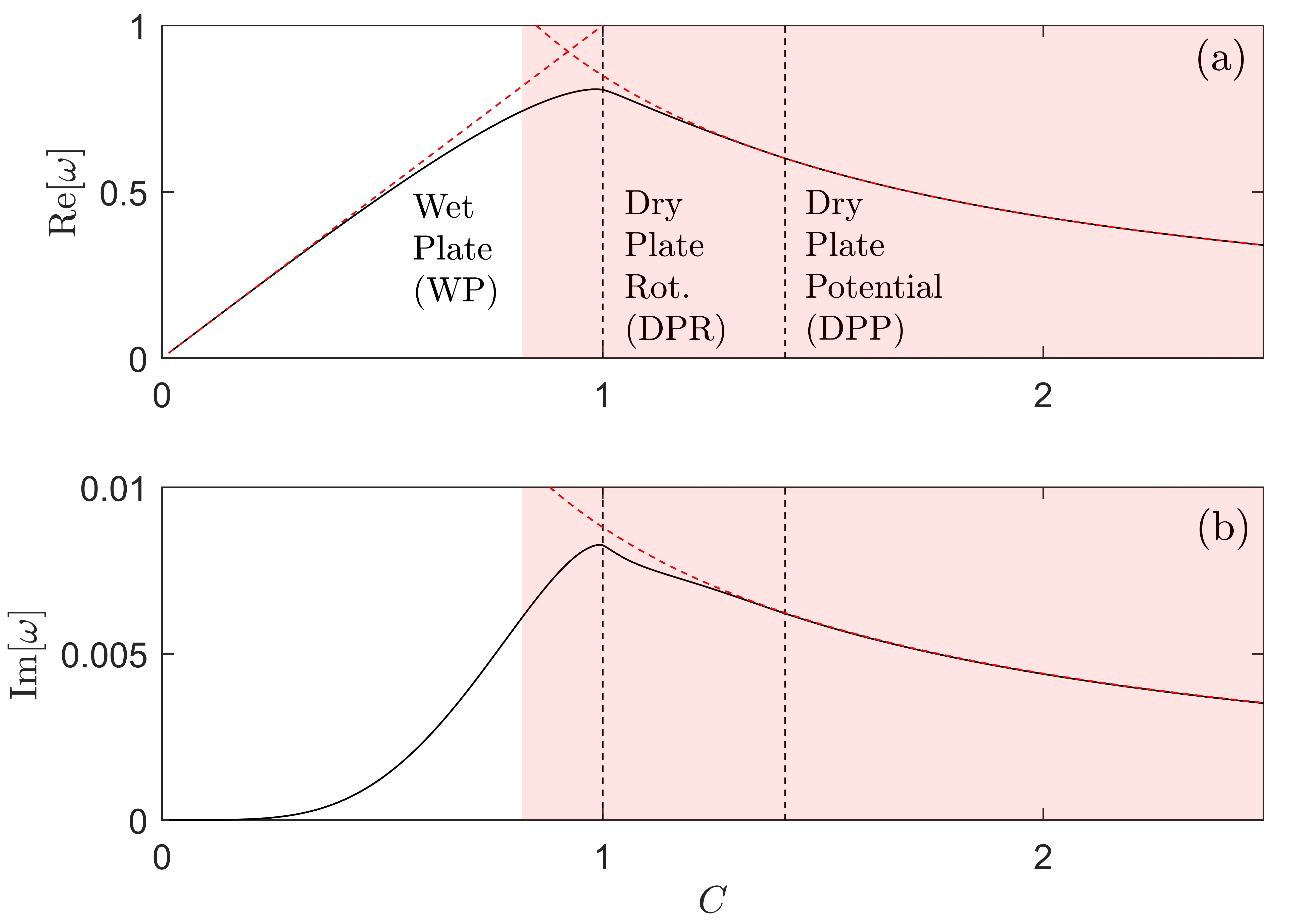
Когда в чашке крутят жидкость, возникает воронка с пустой серединой. В этом пустом центре волны находят ловушку: отражаясь от стенок, они отбирают у вихря энергию и растут, как пламя по бикфордову шнуру — каждая волна сильнее предыдущей, пока не сорвётся всплеск.
Главный сюрприз эксперимента: лучшим настольным аналогом чёрной дыры стал вихрь с совершенно пустым центром. Именно пустота внутри, как в торнадо, делает его поведение почти космическим. Так простая кастрюля с водой становится порталом к далёким безднам.
Оригинальная аннотация
как её написали авторы, на английском arXiv:2511.05351
Draining vortices provide a powerful platform for simulating black hole phenomena in tabletop experiments. In realistic fluid systems confined within a finite container, low-frequency waves amplified by the vortex are reflected at the walls, rendering the system unstable. This process, known in the gravitational context as the black hole bomb, manifests as a sloshing motion of the free surface. The analogy, however, becomes more nuanced when a realistic vortex core with a non-singular vorticity distribution is considered. We investigate this by analysing a non-draining Rankine vortex in the shallow-water and inviscid limits. At low circulation, the sloshing corresponds to an instability of the vorticity field, whereas at high circulation where fluid is expelled from the vortex core, the destabilising mechanism coincides with that of the black hole bomb. Our variational framework distinguishes the energetic contributions of vorticity and irrotational perturbations, offering new insight into the rotating-polygons instability reported by, e.g. Jansson et al. (2006). From the analogue-gravity perspective, we identify hollow core vortices as an optimal regime for exploring black-hole-like instabilities in fluids.
Торнадо и водяные смерчи в точности повторяют устройство чёрных дыр: их пустой центр служит ловушкой для волн — стоит им отразиться, и начинается лавина.